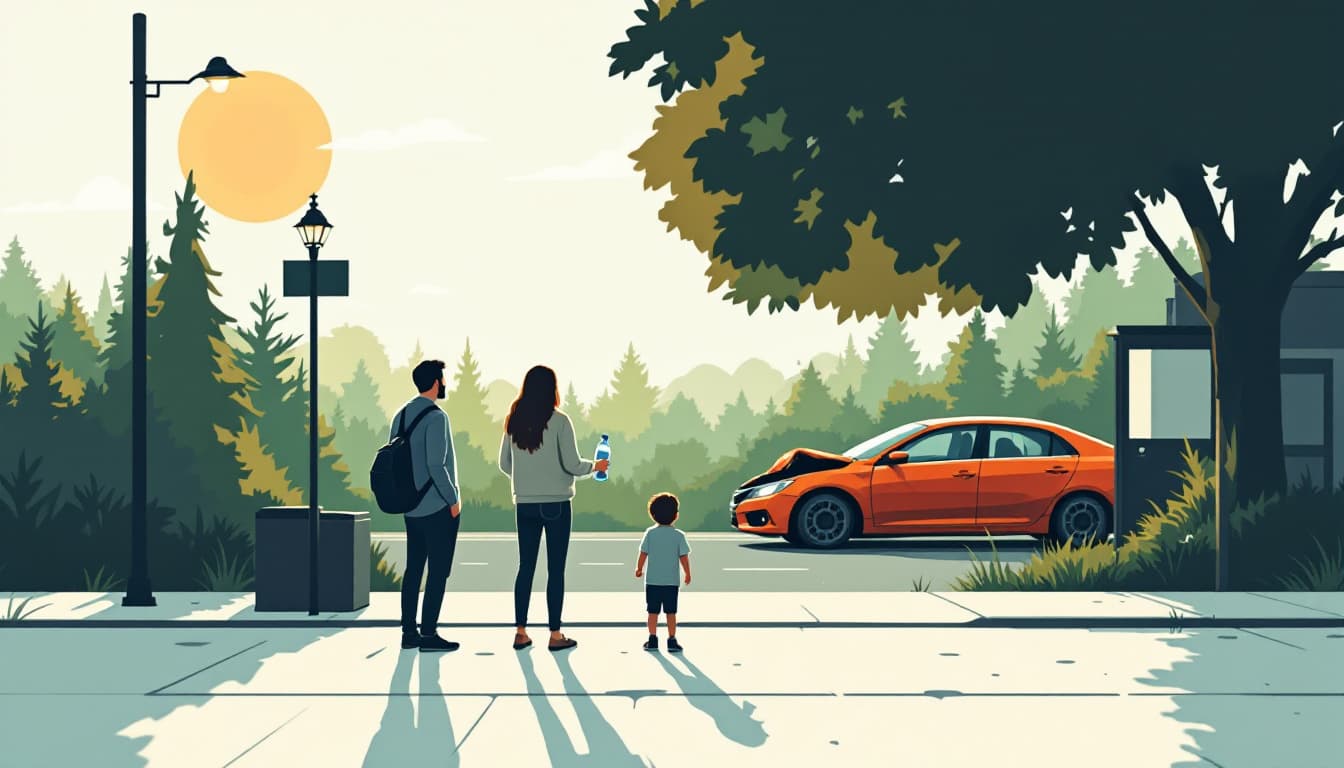
On a 108°F afternoon in the Dallas–Fort Worth exurbs, the nearest cooling center is four miles away and there is no bus route that reaches it. That distance — unremarkable by car — becomes a medical emergency on foot.
A report this week from The Cool Down points to a pattern Texas residents already feel in their bones: the state keeps spreading outward, and the farther out it spreads, the more a functioning vehicle stops being a convenience and starts being a survival requirement. The article's frame is urban planning. The household-level consequence is something more immediate.
What's actually changing
Texas added more residents than any other state over the past several years, and most of that growth has landed in low-density suburbs and exurbs around Houston, San Antonio, Austin, and DFW — places designed around the assumption that every adult drives. At the same time, Texas summers are producing more consecutive days above 100°F than historical averages recorded by the National Weather Service show was typical two decades ago.
Those two trends collide hard. Car breakdowns, medical episodes that prevent driving, job loss that makes keeping a vehicle insured difficult, and aging-in-place without a license — any of these can strand someone in a community with no transit fallback. The Texas Department of State Health Services has reported heat-related illness as a growing contributor to emergency room visits each summer. Cooling centers exist in most Texas counties, but their locations are often unknown to residents until a crisis is already underway.
The households most exposed aren't only those in poverty. A middle-income family in a newer Katy or Pflugerville subdivision faces the same geographic problem: no sidewalks to anywhere useful, no shade on those sidewalks if they existed, and a car-dependent infrastructure that has no graceful degradation.
What we'd actually do
Map your household's cooling options before you need them. Find the nearest cooling center, its hours, and whether it requires ID. Texas Health and Human Services maintains a county-level directory. Do this now, on a normal day, and write the address into your phone contacts as "Cooling Backup." The three minutes this takes will matter when you can't think straight at 104°F.
Most people have no idea where their nearest cooling center is until they're already in distress. Your county's Office of Emergency Management website usually carries the list, and many counties update it at the start of June. Cross-check the address on a map to confirm it's actually reachable — some listed centers are inside facilities with limited public hours.
Plan a transportation redundancy for a 5-mile radius. Identify one neighbor, one family member, and one rideshare app that works in your area. Write those down together. In dense Texas metros, Uber and Lyft remain reliable. In exurban areas, coverage thins fast — know this before August, not during it.
This isn't about doomsday. It's about the fact that cars break down most often in extreme heat because that is when thermal stress on batteries, cooling systems, and tires peaks. AAA data consistently shows summer as the highest volume period for roadside assistance calls. Having a backup plan for a 72-hour window without your vehicle is reasonable household maintenance, not paranoia.
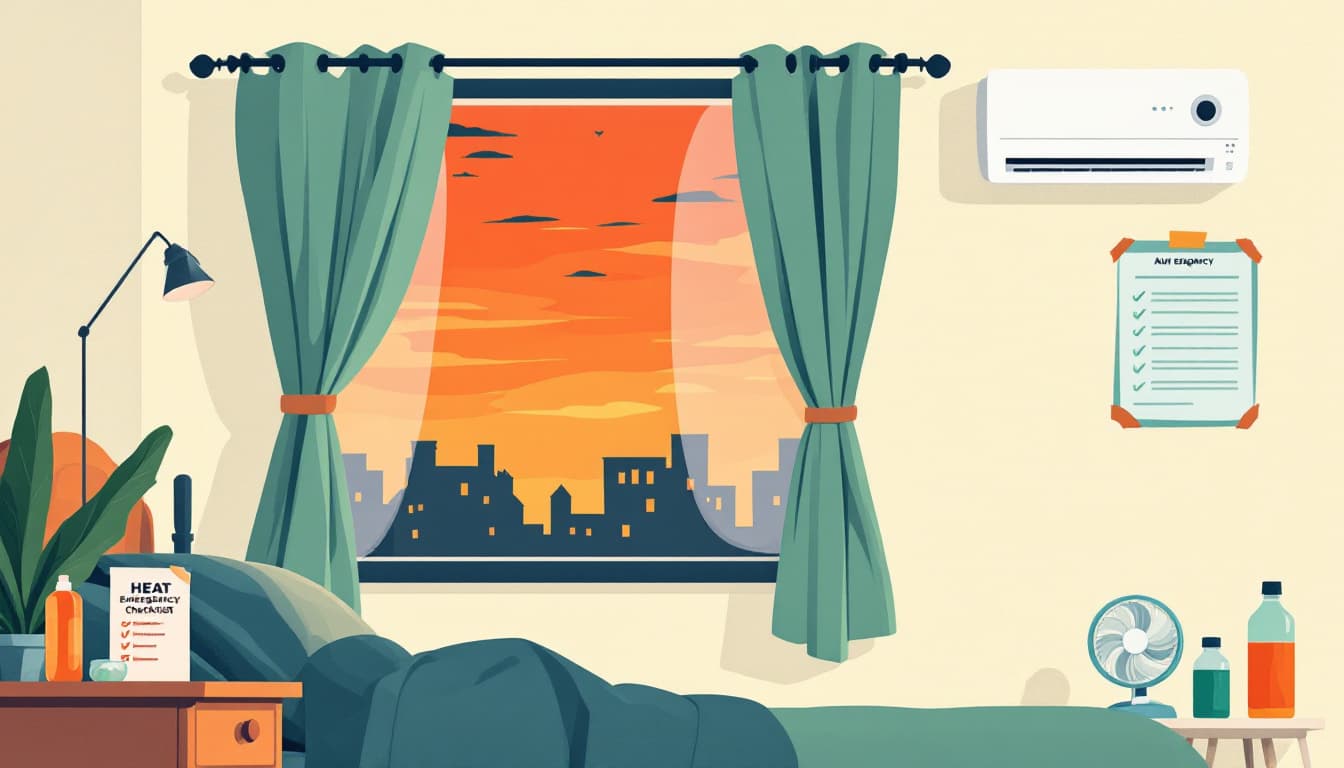
Retrofit your home's "survivable hours" before the grid asks you to. Texas ERCOT has asked for voluntary conservation during peak heat events more than once in recent summers. Know which rooms in your house hold temperature longest with windows covered, where your coolest floor space is, and whether you have any battery-backed fans. A single 10,000 BTU window unit on a dedicated circuit and a small battery station can keep one room tolerable for hours without grid power.
You don't need a full off-grid setup. You need one room you can retreat to. Identify it, keep blackout curtains on the windows, and make sure a battery pack with a fan attachment is charged and staged there by June 1 each year.
Store oral rehydration materials, not just water. A gallon of water a day is the standard guidance. What gets less attention is that heavy sweating depletes electrolytes, and plain water replacement without sodium and potassium can cause hyponatremia — dangerously low blood sodium. A two-week supply of electrolyte packets costs under $15 and stores for years. Stage them with your water supply.
The bigger picture
Texas's growth isn't slowing, and neither is August. The households that fare best through heat emergencies aren't the ones with the most gear — they're the ones that mapped their vulnerabilities on a Tuesday in May, when the air conditioning was working and the car started fine. Durability looks like a list of phone numbers and a covered window. Start there.