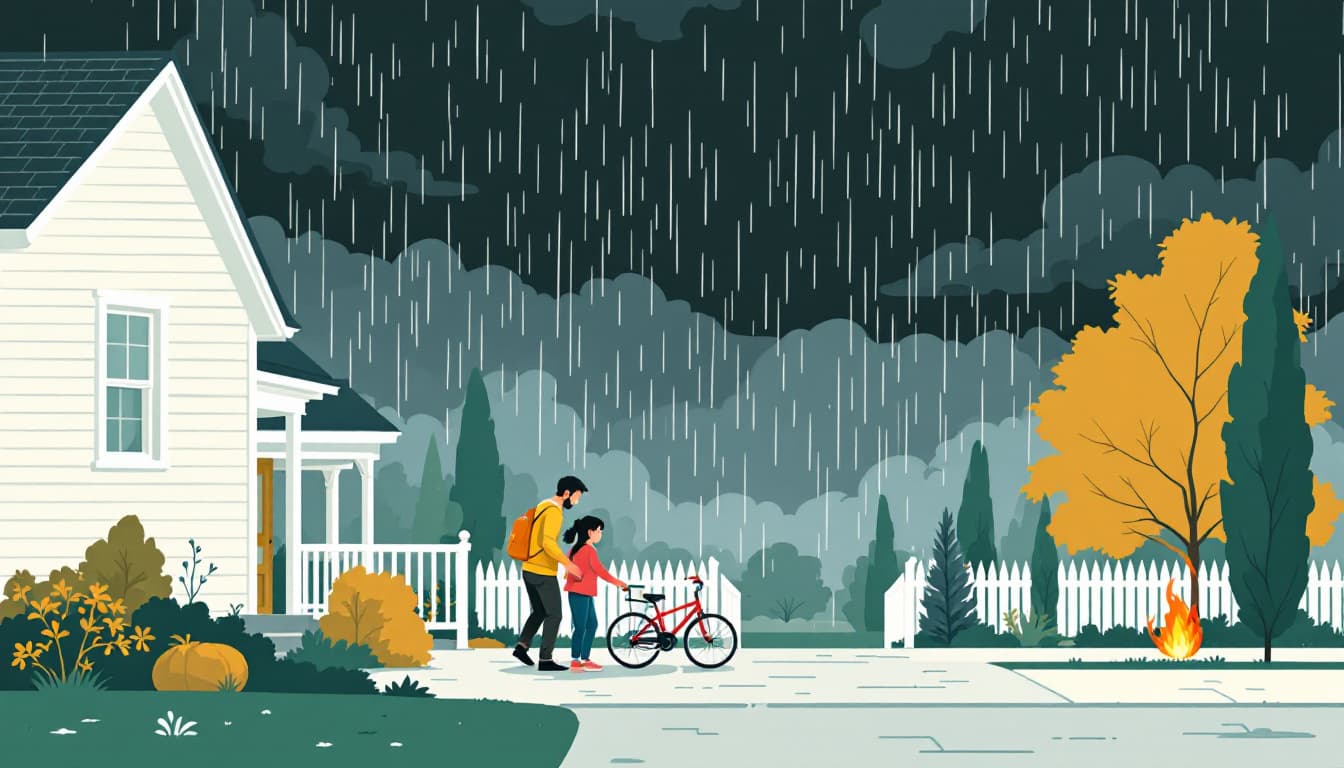
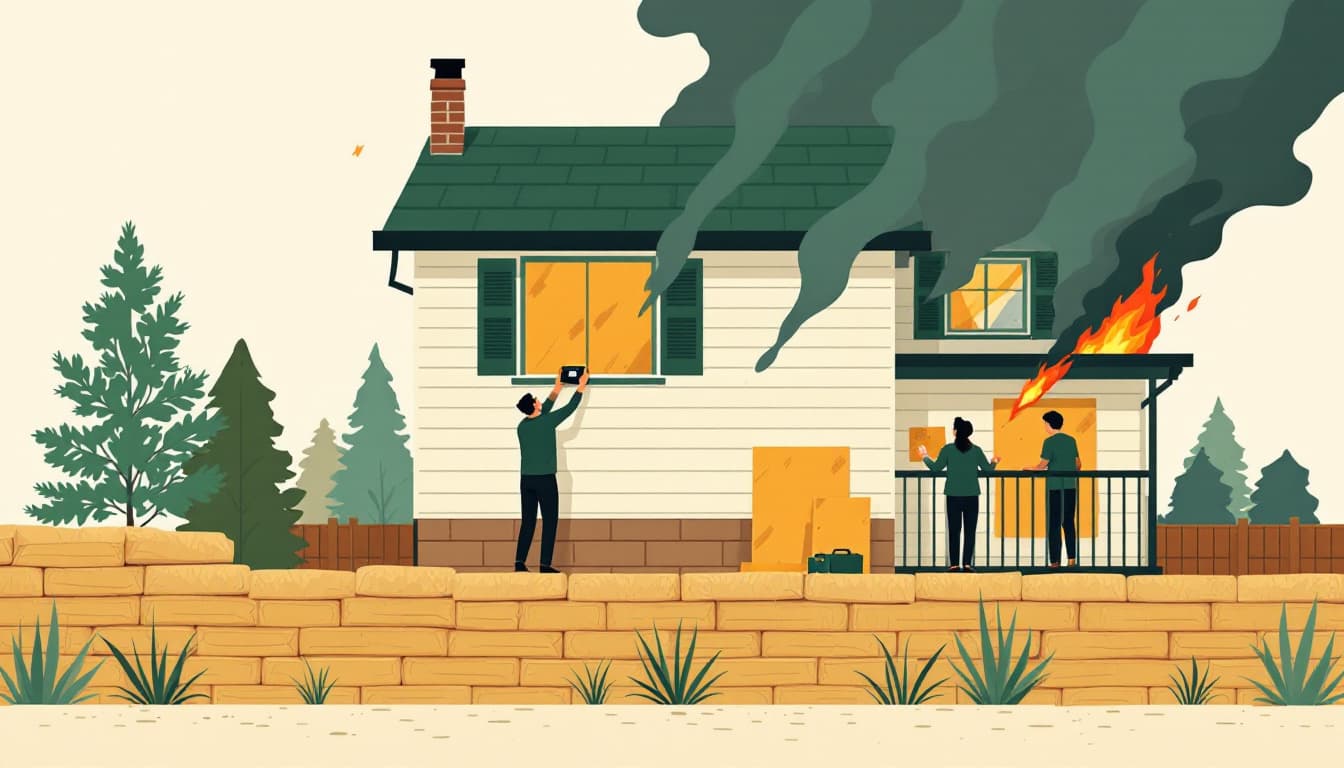
A Gulf News report this week noted that the UAE government issued a warning to its citizens in Texas as heavy rainfall raised flood concerns across the state. That's not a routine weather advisory. Foreign governments issue citizen warnings when conditions are severe enough to affect travelers and residents who may not know local risks well. Texas floods qualify.
Texas has more flood fatalities than any other state, a distinction it has held consistently for decades according to National Weather Service historical records. The reason is geography and culture combined: wide river basins that drain enormous areas quickly, clay soils that shed water instead of absorbing it, and a driving culture that puts people on roads during deluges. Most flood deaths in Texas are vehicle-related, not structural. That fact shapes what a reasonable household plan actually looks like.
What's actually changing this season
Texas flash flooding is not a new story. But a few conditions make 2026 worth paying attention to. La Niña patterns have historically correlated with wetter-than-average springs across Central and South Texas — the Hill Country, the I-35 corridor, the Houston metropolitan area, and the Rio Grande Valley are all within zones that see amplified runoff when soil moisture is already high from prior rain events. The NWS Austin/San Antonio office and the NWS Houston office both maintain real-time river gauge pages; if you are not bookmarking those for your nearest creek or river, you are relying on TV coverage that will always lag the water.
The UAE advisory is also a reminder that Texas floods move fast. The 2015 Memorial Day floods and the 2016 Tax Day floods in Houston both reached catastrophic levels within hours of rainfall onset. The Hill Country's Guadalupe and Llano rivers can rise ten feet in under an hour during intense upstream rain. You don't get a long warning window.
What we'd actually do
Look up your flood zone status this week, not after the next storm. Go to FEMA's Flood Map Service Center at msc.fema.gov and enter your address. Texas has millions of properties in or adjacent to Special Flood Hazard Areas that are not in obvious low-lying terrain. Many homeowners discover their flood zone status only after filing an insurance claim — or being denied one. Knowing your zone takes ten minutes.
Check whether your homeowner's insurance covers flooding. Standard homeowner's policies in Texas do not cover flood damage. Flood insurance through the National Flood Insurance Program (NFIP) or a private carrier has a 30-day waiting period before coverage activates, which means buying it during an active weather event does nothing. If you don't have a policy and you're in a flood-prone county — Harris, Travis, Bexar, Hays, Kerr, or any county along the Trinity, Guadalupe, or Colorado river systems — the time to address this is now, not when rain is already falling.
Build a go-bag that assumes a car evacuation in the dark. Texas flood evacuations are often sudden and nighttime. Your bag should include copies of insurance documents, medications for 72 hours, phone chargers, a waterproof flashlight, and cash. Keep it in a location you can grab in under two minutes. A dry bag or waterproof tote costs under $20 and keeps documents usable if the bag itself gets wet during evacuation.
Program the TxDOT 511 number and download the iFlood app if you're in Houston. The Harris County Flood Control District's iFlood tool gives real-time street-level flood data that TV and radio can't match. For the rest of Texas, the TxDOT 511 system reports road closures in real time. "Turn around, don't drown" is not a slogan — six inches of moving water can knock a person down; two feet will move most passenger vehicles.
Identify one out-of-state contact your household will use as a communication hub. During regional flooding, local cell networks get congested. Texting works when calls fail. A single out-of-area contact who knows your household's plan means family members can each report in independently, and your hub can relay information when you can't reach each other directly.
The bigger picture
A foreign government warning its citizens about conditions in a U.S. state is the kind of detail that sounds alarming but actually just describes Texas in spring. This state has always had flood risk baked into its geography. That's not a crisis — it's a condition. Households that treat it as a condition to plan around, rather than an emergency to panic about when it arrives, are the ones that come through flood seasons intact.
Durability doesn't require a bunker or a $500 gear list. It requires knowing your flood zone, having the right insurance, and keeping a bag by the door.