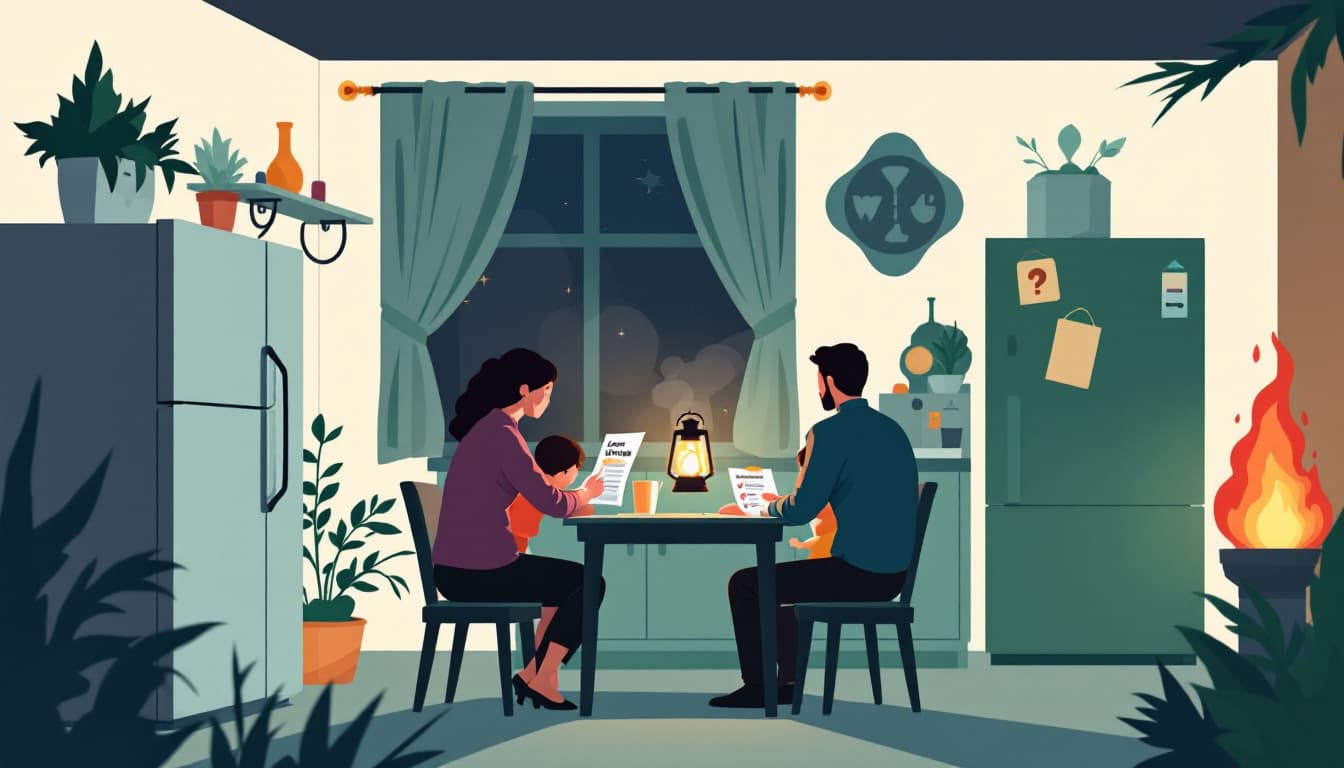
A report this week from Local 3 News flagged power outages affecting the Tennessee Valley. The story is short on specifics, but the geography is what matters here. The Tennessee Valley Authority is one of the largest public utilities in the country, serving roughly 10 million people across parts of Tennessee, Alabama, Georgia, Kentucky, Mississippi, North Carolina, and Virginia. Most of that load sits on infrastructure that was largely built in the mid-twentieth century and has been patched, upgraded, and stressed in uneven ways ever since.
Late May in the Valley is transition season. Thunderstorm frequency picks up. Heat-driven demand is beginning to climb toward its summer peak. That combination — convective storms and rising load — is exactly when outages cluster. This isn't alarmism. It's the seasonal pattern.
What's actually changing
The Tennessee Valley's grid vulnerabilities aren't new, but a few things have shifted in recent years.
First, summer peak demand has grown faster than the grid has been hardened in some distribution zones. TVA has acknowledged publicly that load growth — partly from large industrial customers and data center development — is a planning challenge. That additional draw on the system matters to residential customers when contingency margins shrink.
Second, the storms themselves are delivering more energy. The National Weather Service's Nashville and Morristown offices have both issued increasing numbers of severe thunderstorm warnings in recent spring seasons, with derecho and bow-echo events causing multi-day outages in Middle and East Tennessee specifically.
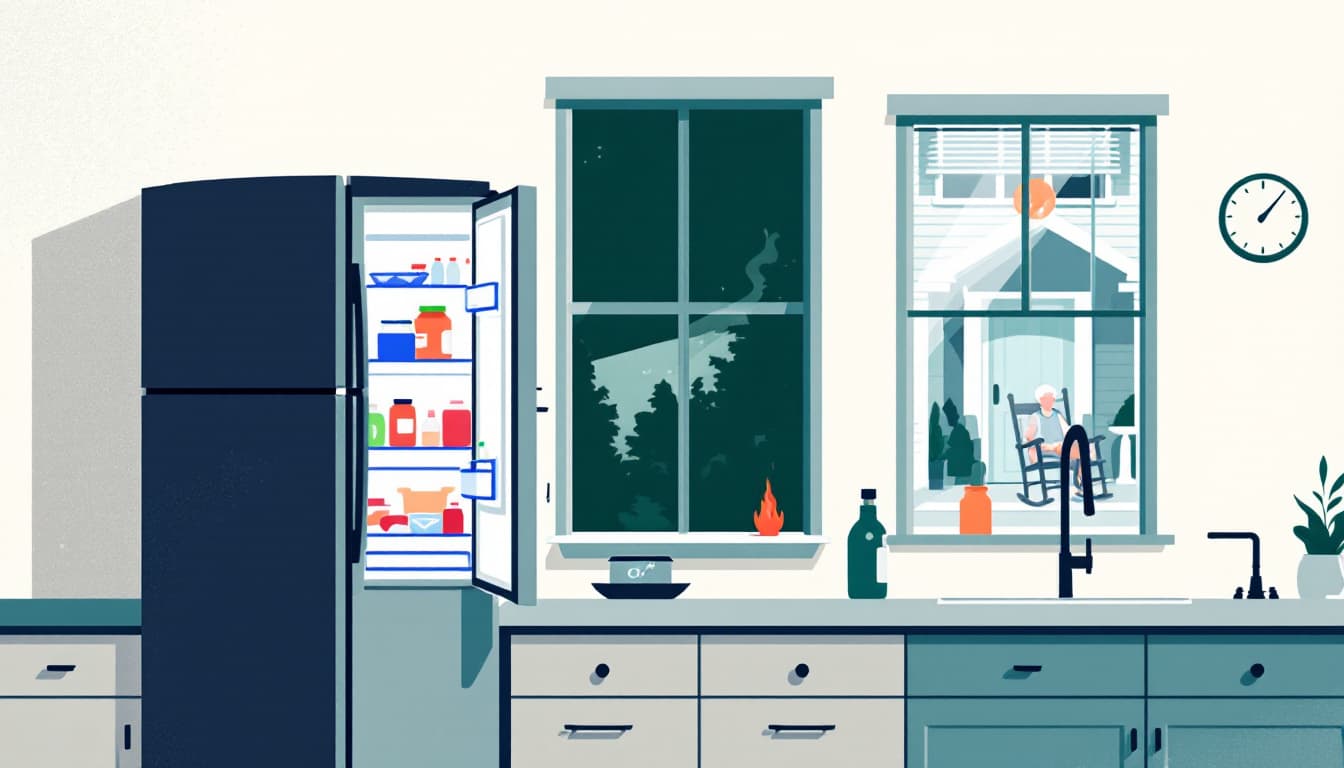
Third, and most practically: most households in the Valley have no meaningful buffer against even a 48-hour outage. No stored water. No food that doesn't require refrigeration. No plan for medication that needs cooling. A report on "outages in the Tennessee Valley" sounds routine until it's day three and the chest freezer is warm.
What we'd actually do
Audit your outage exposure before the next storm arrives, not during it. Walk through your home and list everything that fails without grid power: refrigerated medication, medical equipment, phone and communication devices, water (if you're on a well with an electric pump), and any dependent family members. Write it down. That list tells you where to focus your limited preparedness budget.
Store three days of water for every person and pet in the house. FEMA's baseline is one gallon per person per day. For a family of four in East Tennessee's summer heat, bump that to 1.5 gallons. Fill clean food-grade containers — or simply rotate through commercially filled gallon jugs — and store them somewhere accessible. This costs under $20 and solves the most urgent problem in any extended outage.
Know where your local TVA distributor's outage map lives, and bookmark it. TVA distributes power through roughly 153 local power companies across the region. Your electricity likely comes from a company like EPB in Chattanooga, Memphis Light Gas and Water, or one of the smaller rural cooperatives. Each has its own outage tracking tool. Find yours before you need it. During a major storm, TVA's own site gets congested; your local co-op or municipal utility's map is often faster and more accurate.
Put a battery-powered or hand-crank AM/FM radio in your kitchen drawer. Tennessee's emergency alert infrastructure runs through NOAA Weather Radio, which broadcasts on frequencies like 162.400 MHz and 162.550 MHz depending on your county. When cell towers are down or overwhelmed, a $25 radio is the most reliable way to get storm track updates and restoration timelines. This is not dramatic. It is the single most underrated piece of household resilience equipment.
If you have a family member who depends on refrigerated medication, call your pharmacy this week. Ask specifically about manufacturer's guidance on temperature excursions for that medication. Many insulins, for example, can tolerate room temperature for a defined number of hours or days — but the exact window varies by formulation. Knowing that number before the power goes out is the difference between a difficult situation and a dangerous one.
The bigger picture
Outages in the Tennessee Valley are not a sign of collapse. They are a normal feature of a large electrical grid aging through a period of rising demand and shifting weather patterns. The question for households isn't whether the next outage will happen — it will — but whether you'll absorb it without a crisis.
Durability looks like three days of water, a radio, and a list of what actually needs power in your house. It doesn't look like a bunker. Start with the list.