The rain came down hard across East and Middle Tennessee this summer. Lawns greened up. Rivers ran fast. And yet a report from the Knoxville News Sentinel found that TVA-managed lakes remain well below their seasonal targets — because a drought deficit deep enough takes more than a few wet weeks to erase.
That gap between what the weather feels like and what the reservoir gauges actually show is exactly the kind of slow-moving problem households tend to miss until it becomes inconvenient, or worse.
What's actually happening at TVA lakes
The Tennessee Valley Authority manages a network of 49 reservoirs across seven states, with the majority of storage capacity sitting in Tennessee — lakes like Norris, Watts Bar, Douglas, and Chickamauga. Those reservoirs serve multiple overlapping purposes: flood control, power generation, recreation, and as a backstop for municipal water systems that pull directly from TVA sources.
When a drought runs long enough, the deficit accumulates in layers. Surface evaporation, downstream flow obligations, and municipal drawdowns all continue even when precipitation drops. A burst of heavy rain replenishes the top of the watershed quickly but doesn't immediately translate into reservoir recovery — particularly when dry soils absorb runoff before it reaches tributaries. TVA engineers track a "full pool" target for each lake by date; right now, multiple reservoirs are running behind that target heading into peak demand season.
The practical risk for Tennessee households isn't a sudden shutoff. It's a slow squeeze: municipalities on TVA water sources face higher treatment costs and may begin conservation advisories; rural well owners in drought-stressed counties see water tables drop; and if a second dry period follows this one without a full reservoir reset, utilities have less buffer heading into fall.
What we'd actually do
Check whether your municipality draws from a TVA reservoir or a groundwater source. Call your water utility or look up their annual Consumer Confidence Report — utilities are required to publish one, and it names their source water. If you're on a TVA-fed system in East or Middle Tennessee, you're more directly exposed to reservoir levels than someone on a deep aquifer system in West Tennessee.
Knowing your source matters because conservation advisories, pressure reductions, and outdoor watering bans follow different triggers depending on where the water comes from. A neighbor two counties over may have no restrictions while you're under a Stage 1 advisory.
If you're on a private well, log your current static water level now. This takes 15 minutes: turn off your pump, wait an hour, and drop a weighted string or a cheap water level meter down the casing. Record the depth. That baseline number is worth more than any drought forecast, because it tells you personally whether your aquifer is being drawn down over the coming weeks. Many Tennessee counties in the Cumberland Plateau and Ridge and Valley regions rely on fractured-rock aquifers that respond to drought faster than sand aquifers do.
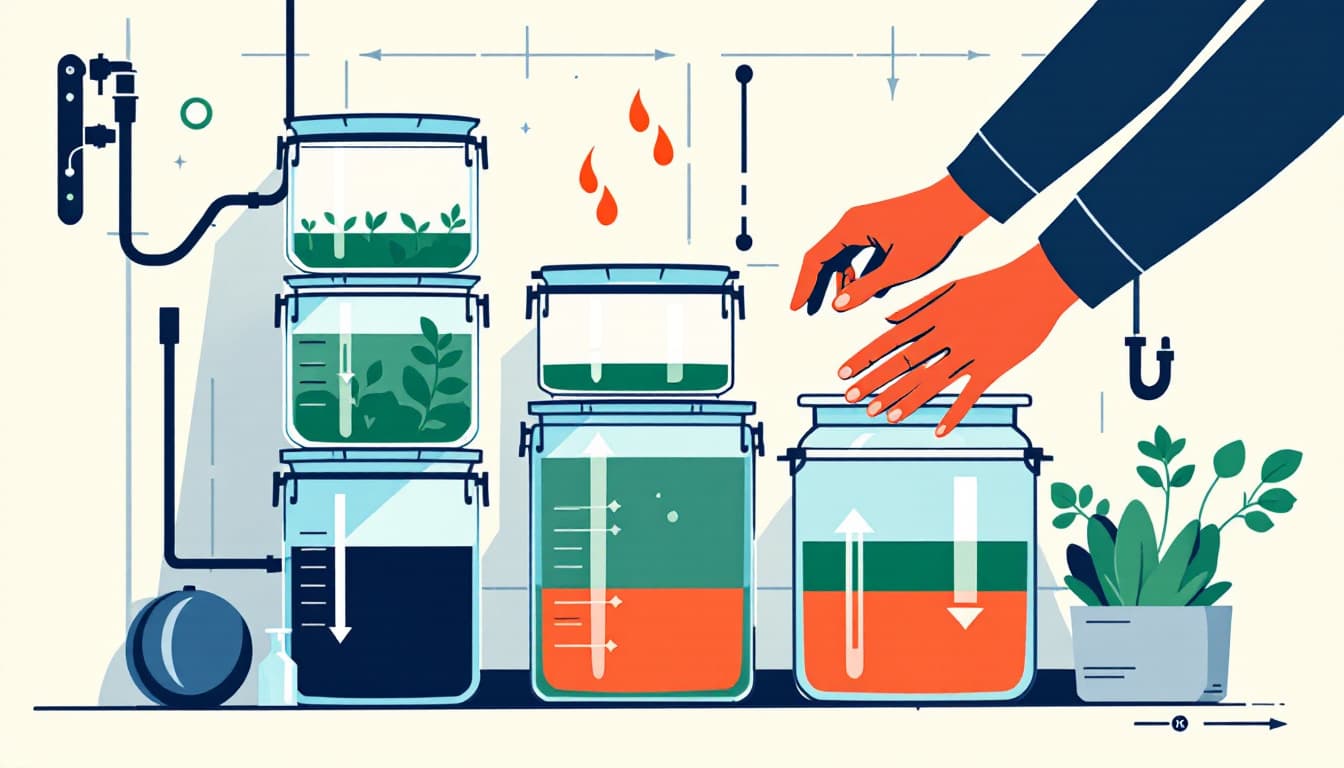
Store a minimum two-week supply of water for drinking and sanitation. FEMA's baseline guidance is one gallon per person per day for drinking and basic hygiene. For a family of four, that's 56 gallons — about four standard 15-gallon stackable containers, which run $25–$35 each at most farm supply stores. This isn't about preparing for collapse; it's about not being the household scrambling for bottled water during a three-day boil advisory.
Audit your water use footprint before any official advisory forces the issue. A standard American household uses roughly 80–100 gallons per person per day. Cutting that in half during a drought crunch is genuinely achievable with low-flow showerheads, full-load laundry discipline, and eliminating outdoor watering during the hottest hours. Doing this audit now, before a restriction is imposed, means you're not improvising under pressure.
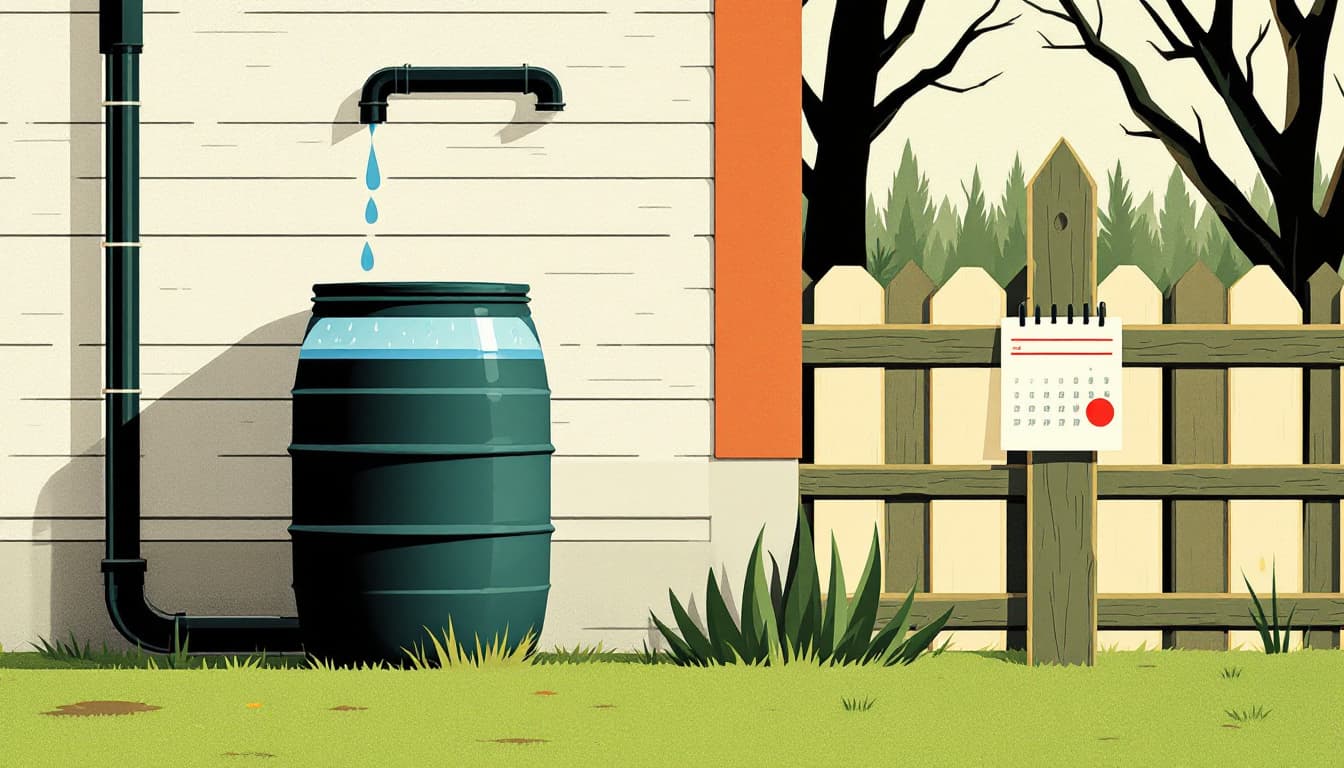
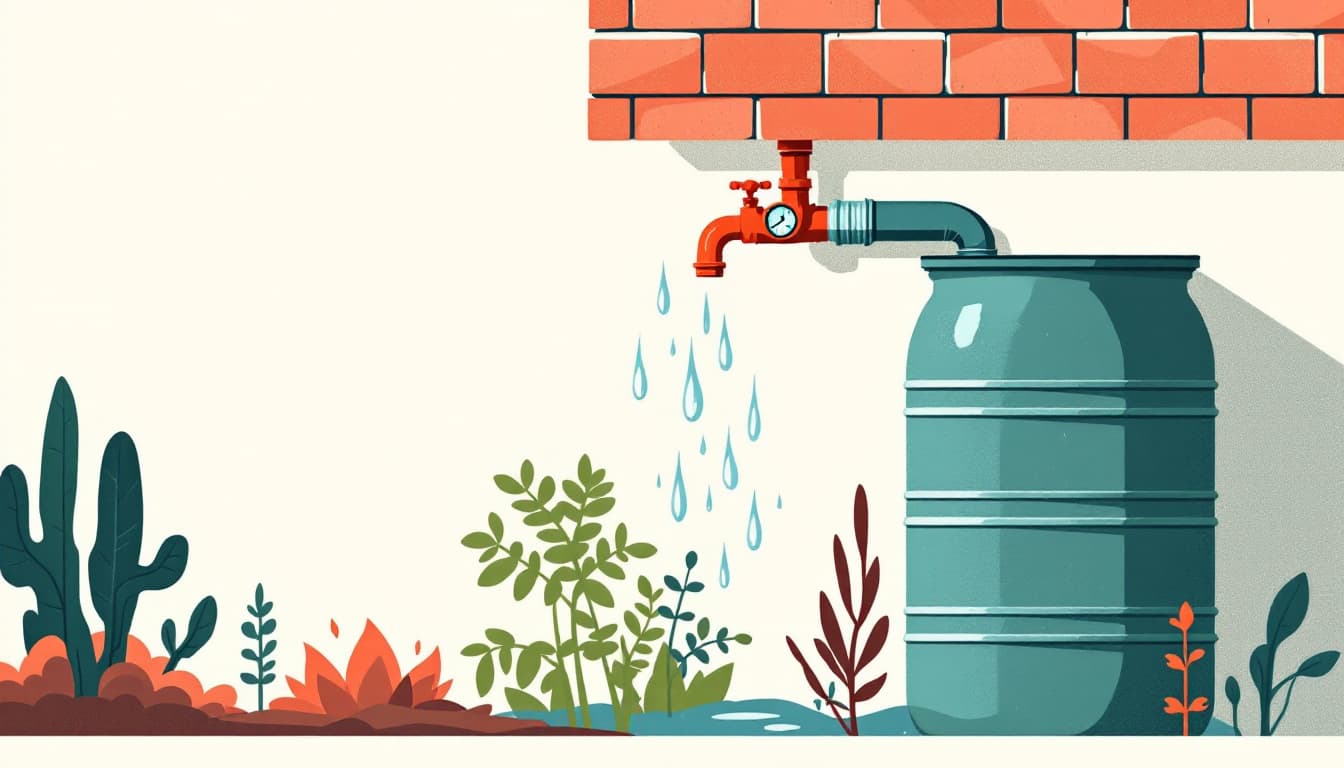
If you have a yard or garden, consider a rain barrel installation this month. Tennessee does not restrict residential rainwater harvesting. A 50–60 gallon barrel at a single downspout, installed in an afternoon, won't replace municipal water but will offset outdoor use during dry stretches and gives you a non-potable reserve for flushing toilets if pressure drops.
The bigger picture
TVA's reservoir system is one of the most sophisticated water management networks in the country, built specifically to buffer exactly this kind of variability. It will not fail this summer. But the Knoxville News Sentinel's reporting points to something worth sitting with: hydrological deficits are cumulative, and the buffer that looked sufficient in April looks thinner in July.
Durable households aren't ones that panic at every headline. They're ones that understand their specific infrastructure, know their actual exposure, and have taken small, reversible steps that keep options open. A rain barrel and a water audit don't require catastrophizing. They require a free Saturday afternoon.