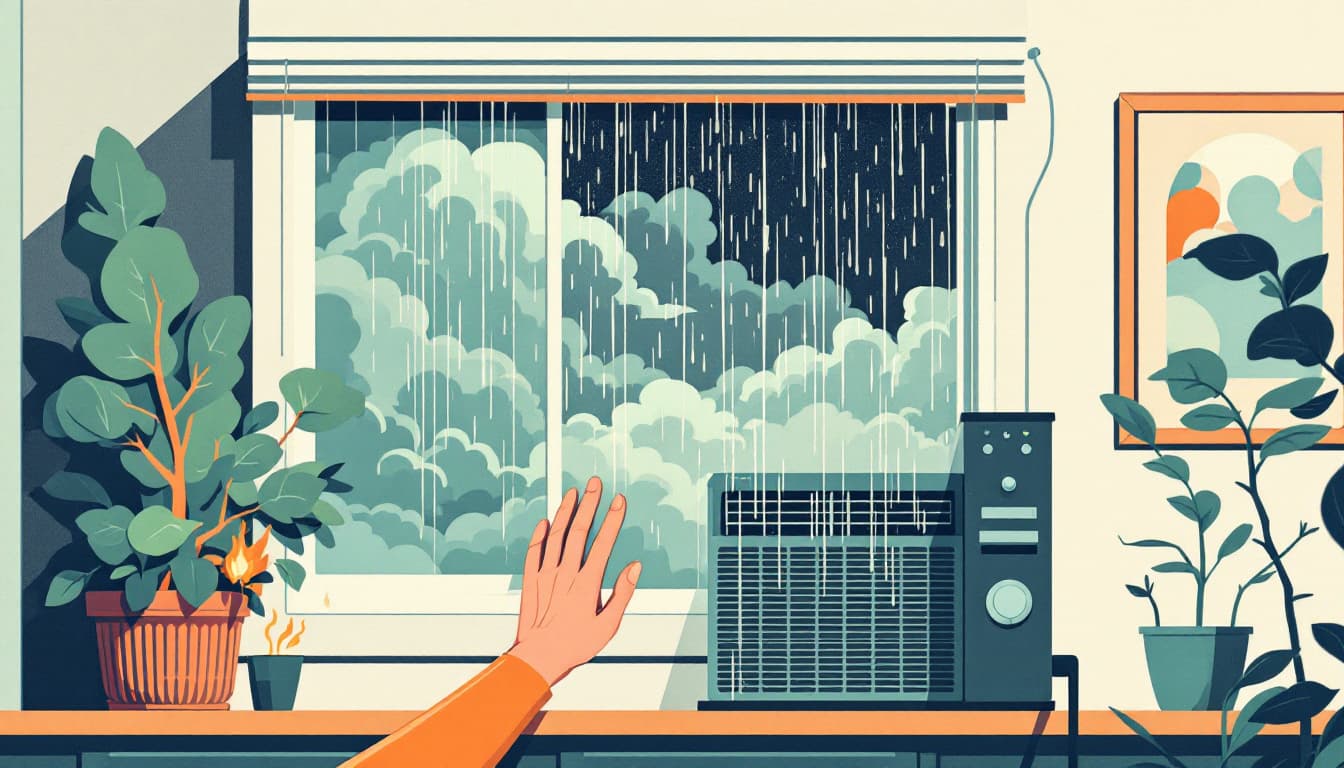
A FOX13 Memphis report this week noted that the extreme heat gripping the Mid-South is easing as rain showers move through the region. For most people, that's a welcome headline and nothing more. For households that just ran their HVAC systems at maximum load through a sustained heat event, it's the starting gun for a short window to catch problems before the next heat system builds.
Tennessee summers don't offer long breaks. The relief arriving now is real, but heat indices above 100°F are a recurring feature of late July and August across the state, from Memphis east to Chattanooga. The question isn't whether this was bad — it's whether your household came out of it intact.
What a Heat Break Actually Reveals
Sustained extreme heat stress-tests systems that spend most of the year running in the background. Air conditioners run for days near their rated limits. Refrigerators in poorly insulated garages work harder than their thermostats can manage. Chest freezers in attics — still a common setup in older Tennessee homes — may have allowed partial thaw cycles. Water pressure can drop in neighborhoods where municipal systems serve increased demand, and that affects everything from dishwasher performance to water heater sediment buildup.
The cooldown doesn't fix any of that. It just gives you a lower utility bill while the underlying issues sit unexamined.
There's also a human dimension worth naming plainly. Heat illness doesn't always announce itself dramatically. Fatigue, disrupted sleep, reduced appetite, and low-grade headaches in the days following a heat event are common — and are often attributed to everything except the heat that preceded them. Tennessee's elderly population and anyone in housing without reliable central air took on real physiological load this week.
What We'd Actually Do
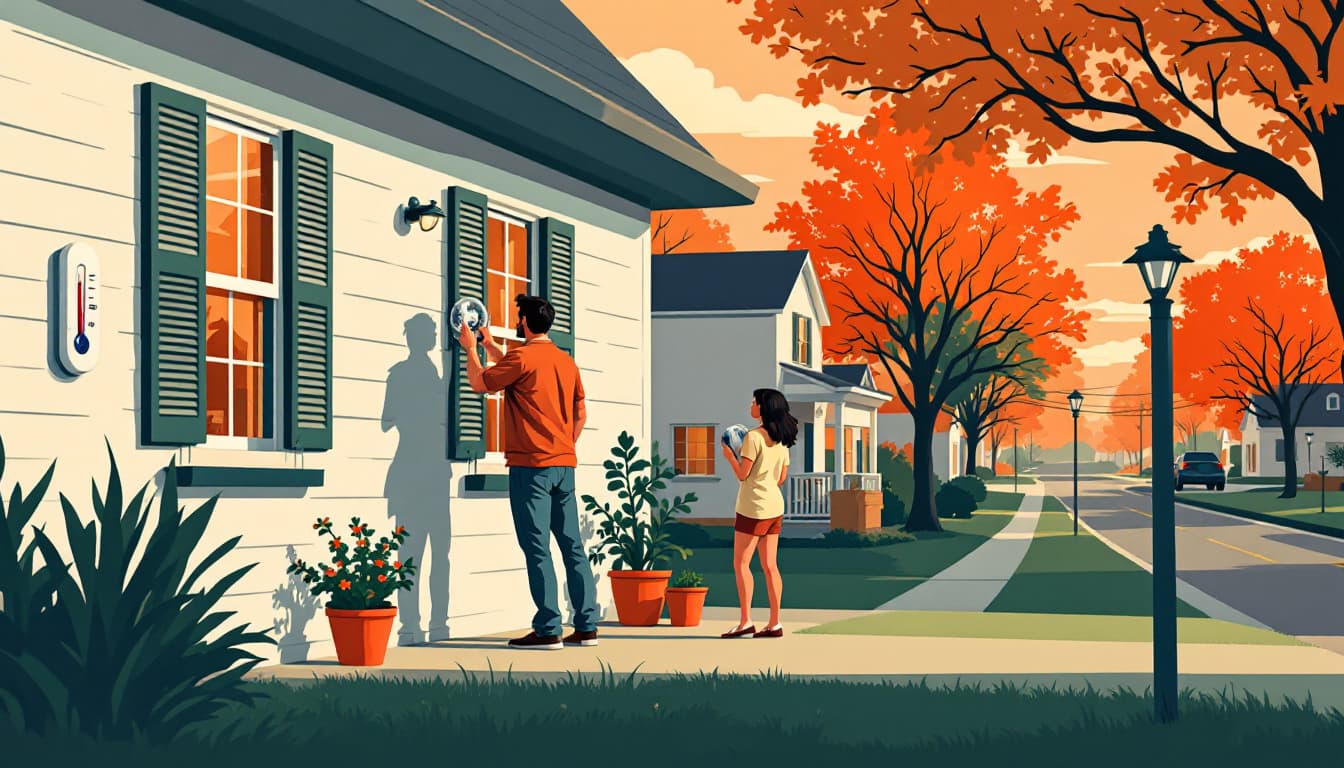
Check your condenser unit before you turn the thermostat back down. Walk outside and look at the condenser — the large outdoor box. After days of continuous operation, fins can be clogged with cottonwood, grass clippings, or debris. A clogged condenser makes the system work harder and shortens compressor life. A garden hose and five minutes is the entire job. While you're out there, note whether the pad it sits on has shifted or settled. A tilted condenser doesn't drain condensate properly.
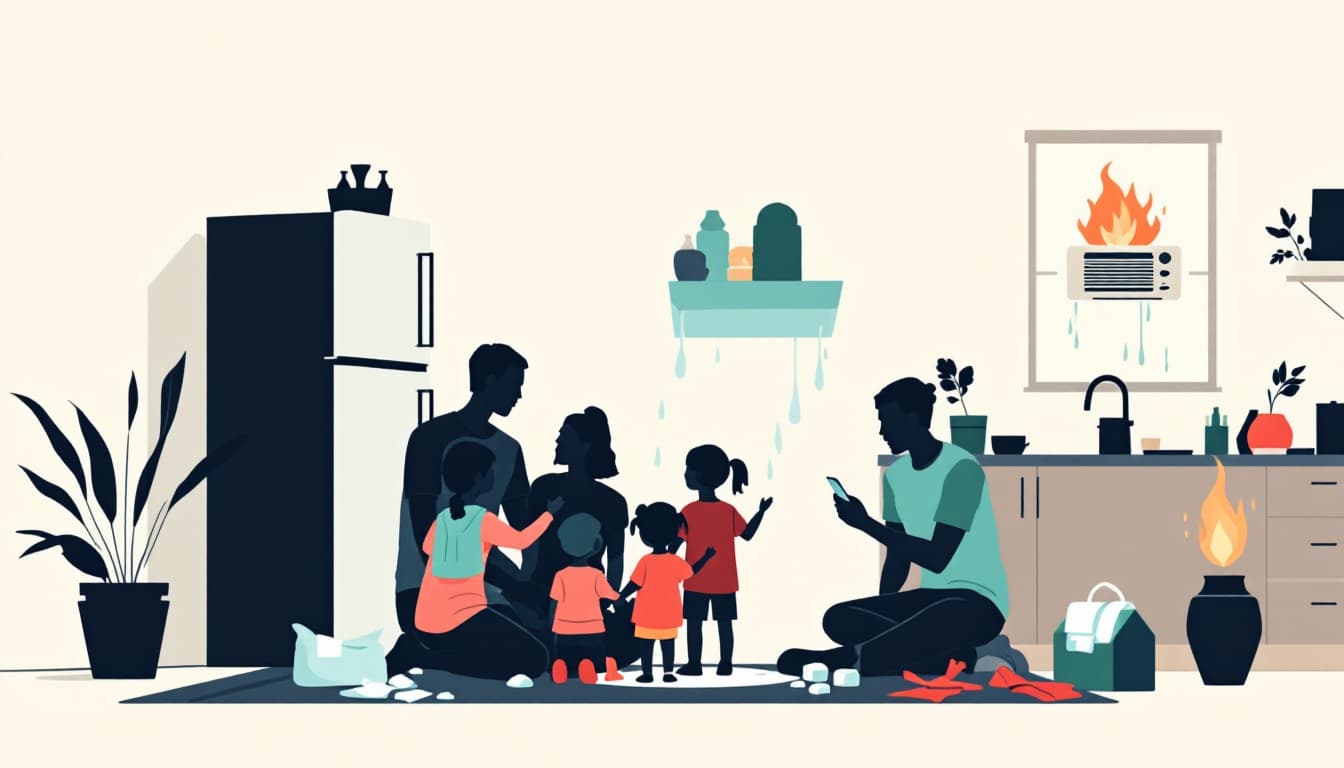
Open your freezer and actually account for what's in it. If you lost power at any point during the heat event — common in the Memphis metro and along the TVA grid edges during high-demand periods — food safety math matters. The USDA standard is simple: a full freezer holds safe temperature for roughly 48 hours after power loss, a half-full one for about 24. If you're not sure, smell and inspect. The cost of replacing questionable ground beef is lower than the cost of a foodborne illness visit.
Check in on any household member who spent significant time in a hot space. This means elderly neighbors, anyone in a unit without functioning AC, and anyone who was working outdoors. Tennessee's heat-related illness hospitalizations spike in the days after a heat event, not always during it, because the cumulative toll catches up. A conversation costs nothing.
Use the cooler temps to restock what you burned through. Extended heat events draw down electrolyte drinks, bottled water reserves, and any medications that require refrigeration. Many households in West Tennessee discovered during this event that their "emergency water" was a single case of water bottles bought two years ago. The FOX13 Memphis report signals a few days of relative relief — use them to replace what you used and add a little margin.
Note what failed or nearly failed, and write it down. The most useful preparedness action most households never take is keeping a simple log of what broke, what ran low, and what worried them during an event. A note on your phone or a sticky on the fridge is enough. When the next heat event arrives — and in Tennessee, it will — that note is worth more than any gear purchase.
The Bigger Picture
Tennessee households that got through this heat event mostly intact didn't get lucky. They were in adequate housing, with functioning HVAC, with some flexibility in their schedules and budgets. That's a real form of resilience, and it's worth protecting. The goal of preparedness isn't to survive a catastrophe — it's to stay durable through the ordinary grinding stress of a Tennessee summer, a winter ice storm, or a three-day power outage. The cooldown is a maintenance window. Use it.