The service window is three to five days. That is what East Tennessee HVAC dispatchers are telling callers right now, according to a report this week from AOL.com covering the surge in service calls as extreme heat pushes air conditioning systems past their design limits across the region. If your unit fails on July 4th weekend, you are not getting a technician on July 5th.
That gap between breakdown and repair is the thing worth planning around.
What is actually happening
AC systems fail during heat waves for predictable reasons. When outdoor temperatures stay above 95°F, condensers work harder to shed heat, refrigerant pressure climbs, and components that were marginal in April become failures in July. The timing is not random: systems that have been running continuously for weeks hit their stress ceiling right when demand for repair techs is highest and parts inventory at distributors gets thin.
East Tennessee's geography compounds this. The Ridge and Valley region — Knoxville, Morristown, Kingsport, Johnson City — sits in a natural bowl that traps humid air and holds overnight lows well above what allows a house to cool passively. A house in Knoxville that loses AC at 4 p.m. will be 85°F inside by midnight. That is a health problem for elderly residents and young children within hours, not days.
Tennessee's heat mortality numbers are not hypothetical. The Tennessee Department of Health tracks heat-related illness annually, and the pattern is consistent: most cases involve people who lost mechanical cooling and waited too long to leave the house.
What we would actually do
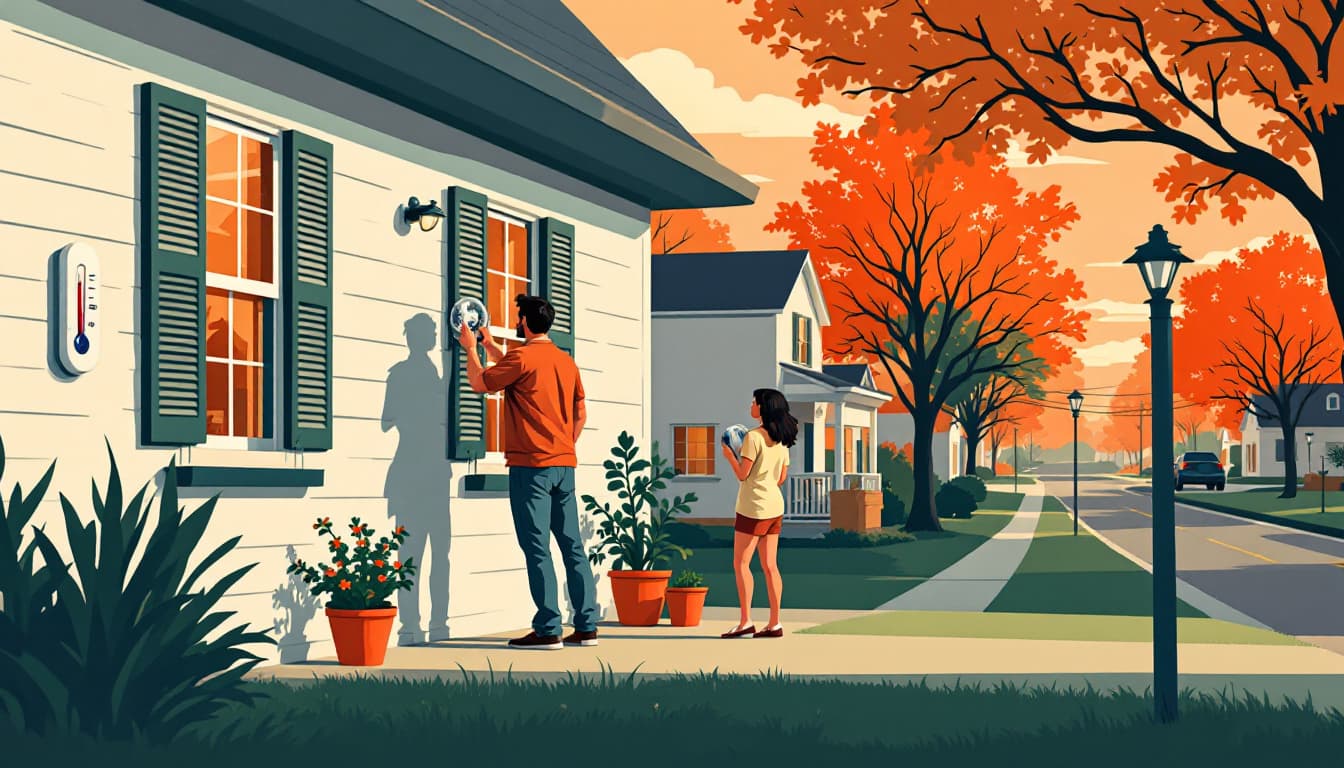
Check your filter and outdoor unit today, before any failure happens. A clogged filter forces the blower motor to work harder and restricts airflow across the evaporator coil, which can cause the coil to ice over and shut the system down — a problem that looks like a compressor failure but costs nothing to fix. Turn the system off, replace the filter (a $5 to $10 fiberglass or pleated 1-inch filter is fine; you do not need the expensive allergen model for this), and make sure nothing is blocking the outdoor condenser unit. Two feet of clearance on all sides.
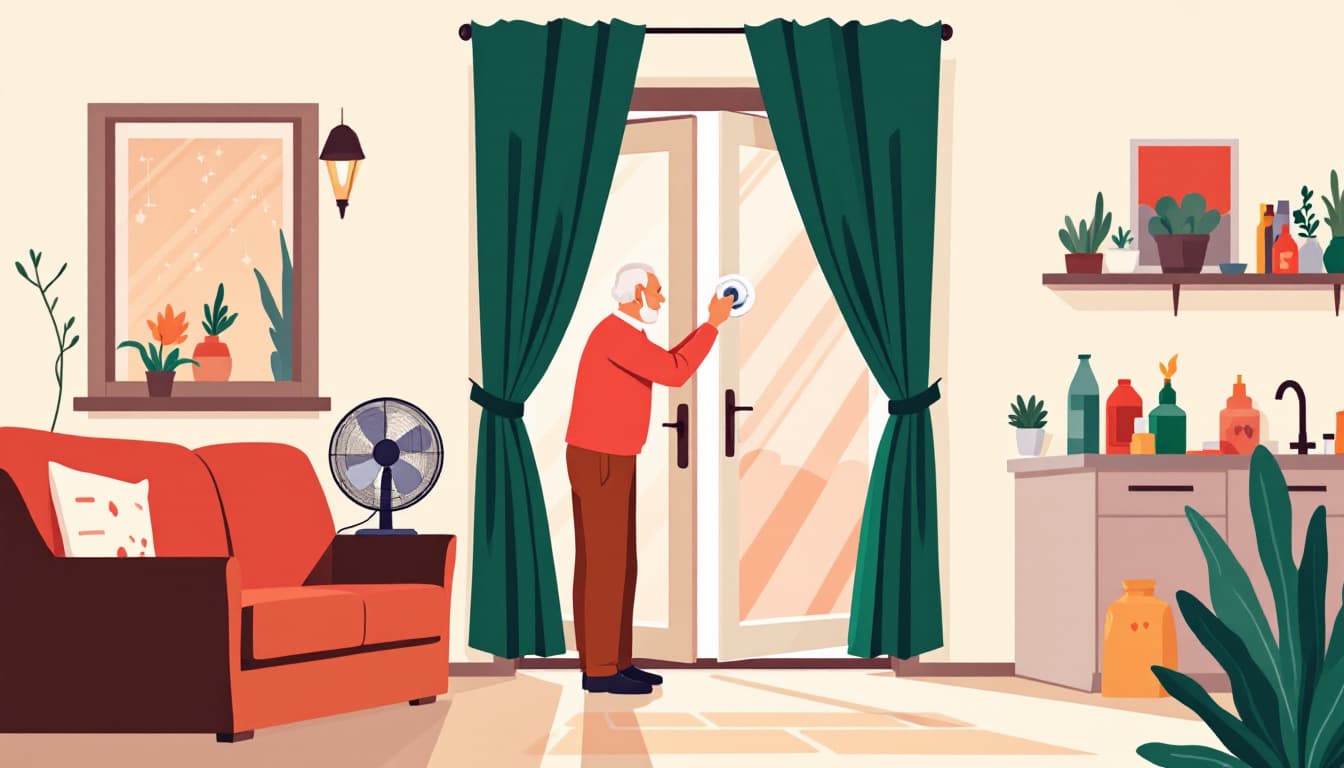
Map your household's cooling fallout plan before you need it. Identify one room you can seal off and cool with a window unit or portable AC if the central system fails. A 5,000 BTU window unit cools a bedroom adequately and runs on a standard 120V outlet. If you do not own one, they are available at most Tennessee hardware stores for $150 to $200 and require no professional installation. This is not a luxury item — it is a single-room survival strategy for the 72 hours between breakdown and repair.
Know your county's cooling center before the heat index hits 105°F. Knox County, Hamilton County, and Sullivan County all operate designated cooling centers during heat emergencies, typically at public libraries, community centers, and senior facilities. Find the list for your county on your local emergency management agency's website and save it to your phone. The time to look this up is not when your indoor temperature is already 88°F.
Pre-register elderly or medically vulnerable household members with your local utility. Tennessee utilities including TVA distributors and some municipal systems maintain medical baseline or priority restoration lists. Enrollment is free. It does not guarantee faster repair, but it does flag your household to dispatchers as high-priority during declared emergencies.
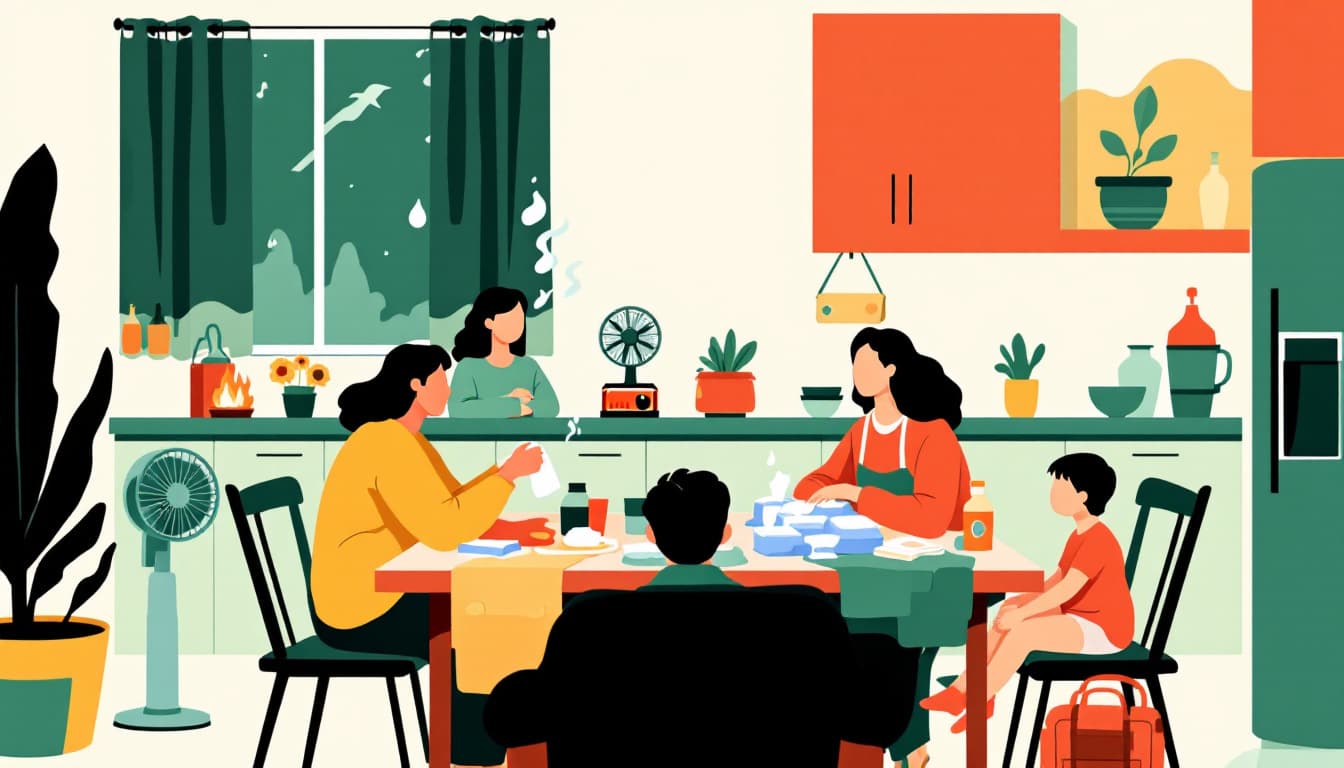
Keep a 24-hour heat kit staged. A reusable ice pack in the freezer, a battery-powered or USB fan, electrolyte powder or Pedialyte, and a list of household members' medications (some require refrigeration) — this kit costs under $30 to assemble and covers the first critical day of a failure. If medications require refrigeration and you lose power along with cooling, you have a six-to-eight-hour window before most insulin formulations are compromised at room temperature. Know that number for every medication in your house.
The bigger picture
A heat wave is not an emergency that requires a bunker. It requires knowing what your house does when one system fails, and having a one-room fallback, one community fallback, and one 24-hour buffer already in place. East Tennessee's HVAC companies are overwhelmed right now because most households treat AC maintenance as a reactive expense rather than a seasonal system check. A $15 filter swap in May and a cleared condenser in June prevents a $400 emergency call in July — or at least makes that call unnecessary for another season.
Durability is not about surviving the worst case. It is about staying comfortable, healthy, and out of the emergency room through the predictable ones.