A report this week from WKRN News 2 confirms what Middle Tennessee residents have been watching in their yards all spring: parts of Rutherford County are now operating under voluntary water restrictions after the area reached "severe" drought classification. Voluntary means no enforcement, but it also means the county's water managers are watching the numbers closely enough to say something publicly. That's worth paying attention to.
What "severe" drought actually means for your tap
The U.S. Drought Monitor uses a five-tier scale. "Severe" is tier two of five — not the worst, but past the point where a few good rain days will fix it. At this level, surface water levels drop, wells can lose pressure or yield, and municipal systems that rely on reservoirs start drawing down reserves they'd rather keep full heading into summer.
Rutherford County has grown fast. Murfreesboro is one of the fastest-growing cities in Tennessee, and that growth means more demand on a water system now being squeezed from both ends: more users, less supply. Voluntary restrictions are how utilities buy time before they're forced into mandatory ones.
The honest answer to "will my water get cut off?" is almost certainly no. But pressure drops, boil-water advisories, and mandatory odd/even watering schedules are all realistic near-term possibilities if this drought deepens into summer. Tennessee's drought history includes extended dry periods, and the state sits in a region where wet and dry cycles can shift quickly but don't always shift fast enough.
What we'd actually do
Know your water source before there's a problem. If you're on a Rutherford County Utility District line, find the district's name and look up their drought response plan — most publish one. If you're on a private well, check when it was last tested and what your static water level is. A well driller or your county extension office (UT Extension has offices in most Tennessee counties) can tell you whether your aquifer is typically drought-sensitive.
Your water source determines everything about your risk. Municipal customers lose convenience; well users can lose access entirely during prolonged dry spells.
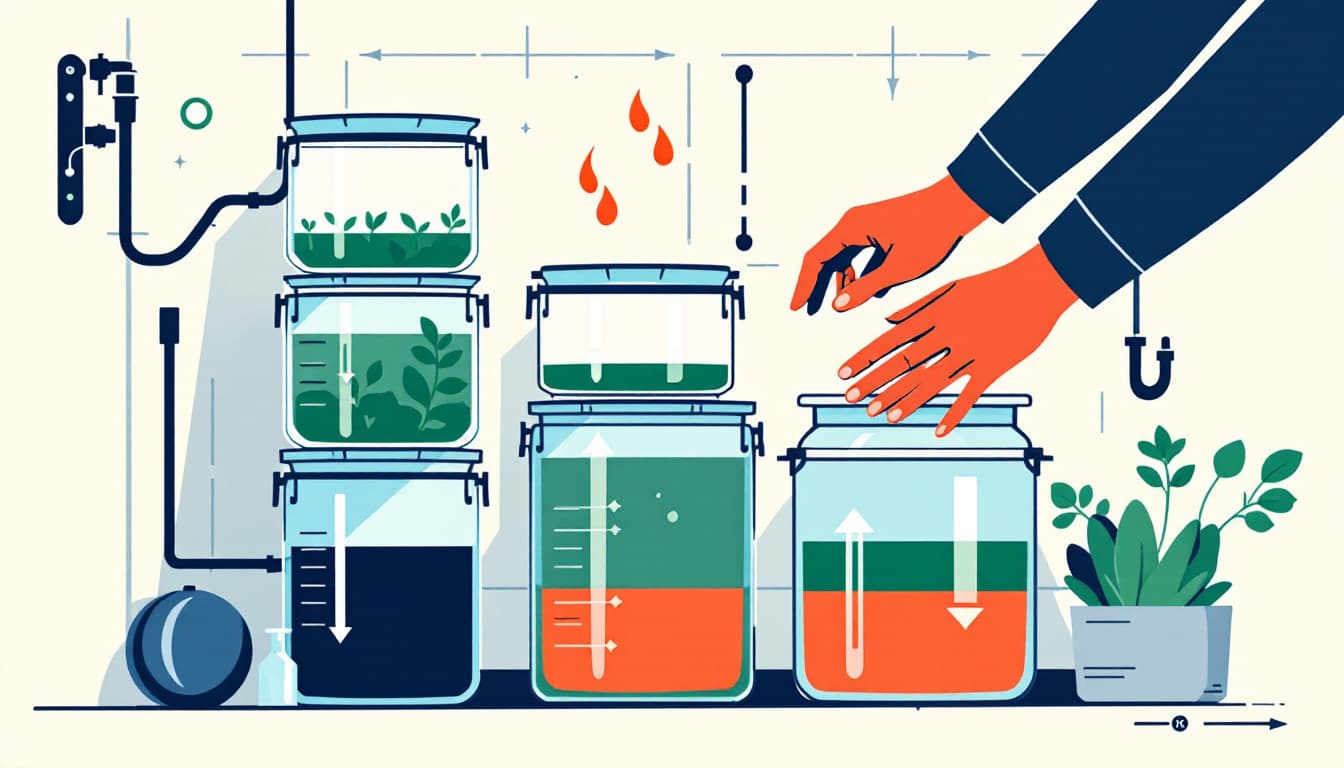
Store a two-week drinking water supply this week, not next month. FEMA's standard recommendation is one gallon per person per day. For a family of four, that's 56 gallons for two weeks — achievable with a mix of case-bought water and food-grade 5-gallon containers filled from your tap right now, while pressure is normal. Don't buy fancy. Fill clean containers, add a small amount of unscented bleach per established CDC guidelines, label with today's date, and rotate every six months.
Cut your outdoor water use before you're told to. Watering in the early morning (before 9 a.m.) reduces evaporation loss by roughly a third compared to midday watering. This is free and immediate. If you have a lawn irrigation system with a timer set to daytime hours, change it this week.
Check your home for leaks before summer. A running toilet can waste hundreds of gallons a day. A leaking hose bib does the same. During a voluntary restriction, the water you waste is water the system doesn't have. More practically: it's money. Tennessee water rates have risen in most municipalities over the past several years, and a small leak is no longer a nuisance — it's a line item.
If you garden, plan now for drip irrigation or mulching. Drip setups for a standard vegetable garden can be assembled from hardware store components for under $50. A 3-inch layer of wood-chip mulch around plants cuts soil moisture loss significantly and is often free from local arborists who need to offload chippings.
The bigger picture
Rutherford County's restrictions aren't a crisis signal. They're a systems signal — a nudge from a utility saying the margin is thinner than we'd like. Tennessee has good water infrastructure overall, but infrastructure built for one population and growth rate doesn't always scale gracefully when both the headcount and the climate stress increase at the same time.
Durable households don't wait for mandatory restrictions to think about water. They know where their water comes from, have a short-term reserve, and use less of it by default. That's not prepper thinking. That's just not being caught flat-footed when the margin runs out.