A heat advisory was already in place across Southern California when the forecast shifted. According to ABC7 Los Angeles this week, rising humidity is now layering thunderstorm and rain chances on top of the heat — and that combination changes the risk profile for households in ways a straightforward hot spell doesn't.
Most SoCal residents have learned to manage dry heat. This is something different.
What actually changes when humidity enters the picture
Dry heat is uncomfortable. Humid heat is dangerous faster, because sweat stops cooling you efficiently once the air is already saturated with moisture. Heat index values — what the air actually feels like to your body — can run 10 to 15 degrees above the thermometer reading when humidity climbs into ranges Southern California rarely sees. The threshold at which heat becomes a medical emergency drops.
At the same time, thunderstorms introduce a separate problem: brief, intense electrical demand spikes and the lightning-strike ignition risk that comes with dry vegetation that just got surface moisture but no meaningful ground soaking. The grid in heat advisories is already running near capacity from air conditioning load. Add storm-related line damage and you get the conditions for rolling outages — not a certainty, but a real possibility worth building around.
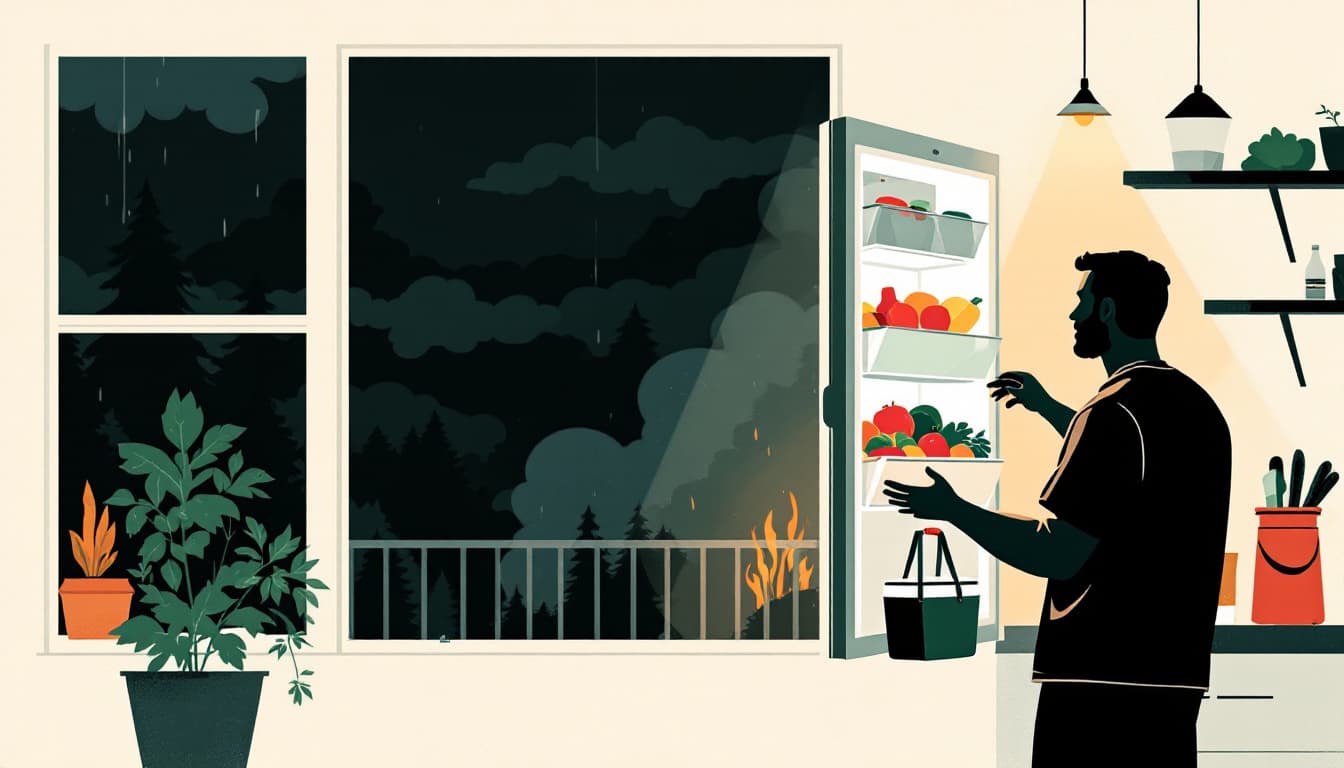
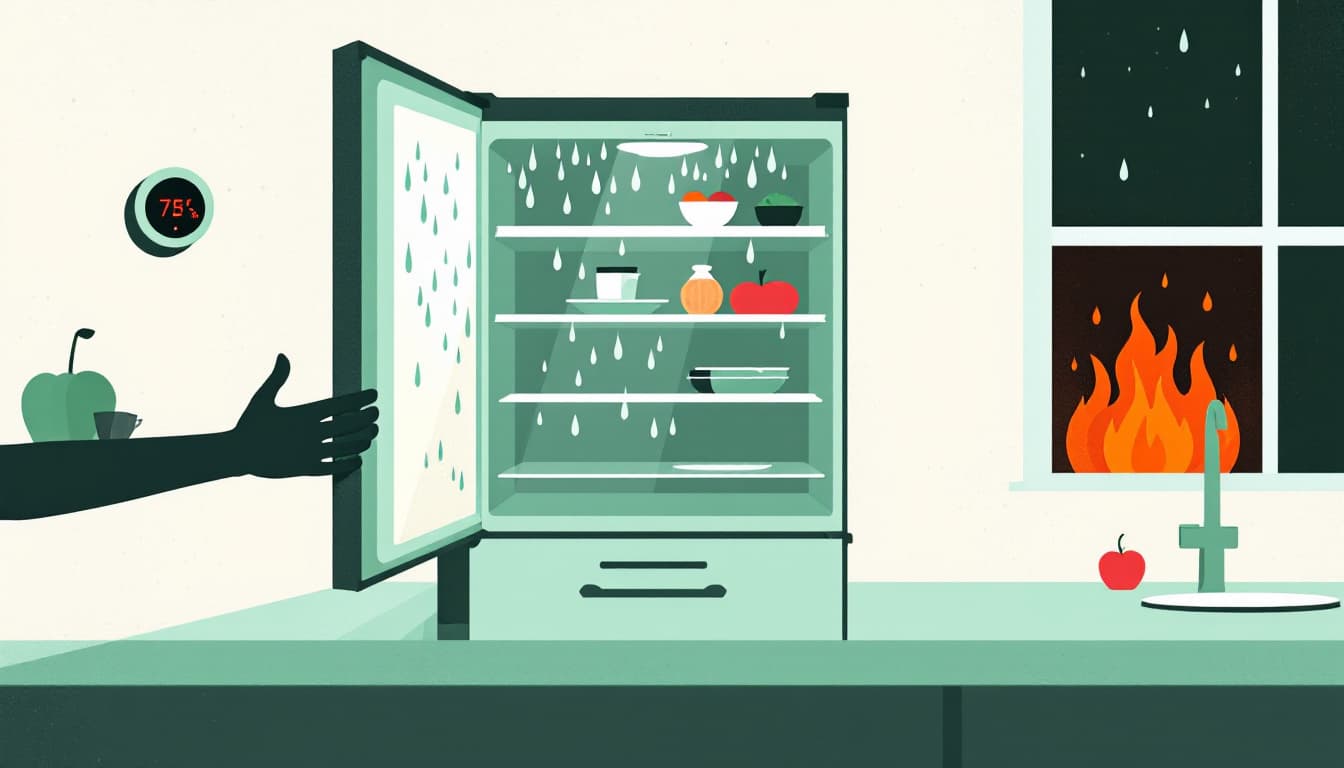
There's a food safety angle here that doesn't get enough attention. A power outage during a humid heat event is worse than one during dry heat because your refrigerator's internal temperature climbs faster in a warm, moist environment. The USDA's guidance has long held that a full refrigerator keeps food safe for roughly four hours after power loss — but that assumes moderate ambient temperatures. At 95°F-plus indoor temperatures, that window shrinks.
What we'd actually do
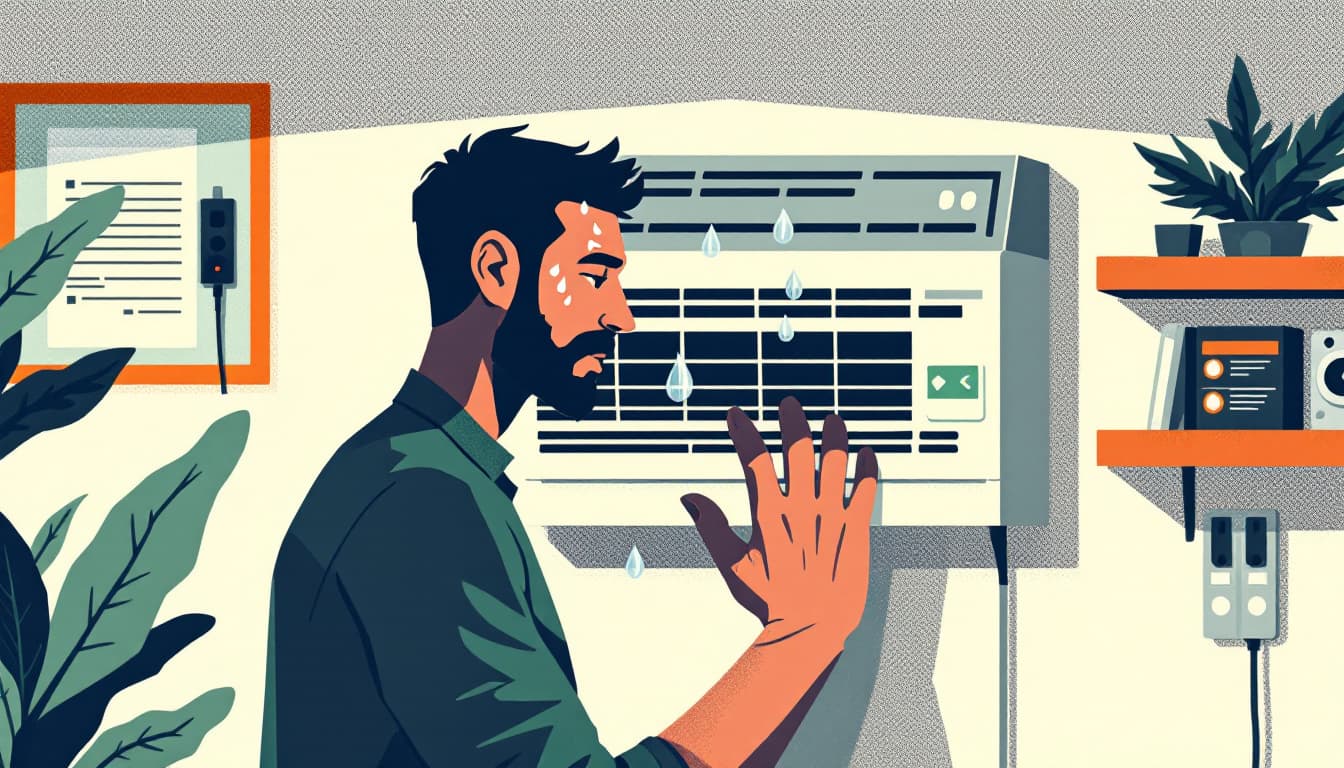
Fill the gaps in your cooling plan before tonight. Check that your window units or central AC filters are clean. A clogged filter can cut cooling efficiency by a meaningful fraction, which matters when the unit is already working at its limit. If your household has someone who runs hot, is elderly, or has a cardiovascular condition, identify the nearest public cooling center now — not when the power is out.
When heat is extreme, most people know to use AC. Fewer have thought through what happens if the AC fails or the power goes out during a spike in demand. Locate your nearest library, mall, or community center cooling site and save the address. You want that decision made before you're hot and stressed.
Move food strategically before a potential outage. Consolidate your refrigerator so it's as full as possible — a fuller fridge holds temperature longer than a half-empty one. Freeze a few large containers of water now. They serve double duty: they extend your freezer's cold retention during an outage and become drinking water as they melt.
This is a cheap and immediate step that takes fifteen minutes. It doesn't require buying anything.
Keep two gallons of drinking water per person accessible, not stored. Stored water is for extended emergencies. Accessible water is for a 48-hour heat event where your routine breaks down. Keep it in the coolest room of the house, not the garage, where temperatures during a heat event can exceed outdoor air temperatures significantly.
Know your circuit breaker and kill non-essential loads. During a heat advisory with thunderstorm risk, you may experience brief brownouts. An air conditioner restarting after a voltage drop can draw surge current that trips breakers. Know where your panel is, label it if it isn't already, and be ready to cycle non-essential appliances off if voltage fluctuates.
Check on one neighbor. Not a general wellness check — a specific one. Identify one person near you who lives alone, is over 65, or doesn't have reliable AC, and make contact before the hottest part of the afternoon. Heat deaths are almost always preventable and almost always involve isolation.
The bigger picture
Southern California is not a humid climate, and households there are not built, staffed, or cooled for sustained wet heat. That's not alarmism — it's just infrastructure reality. The region's housing stock, its grid, its emergency protocols were all designed around a specific climate envelope. When that envelope shifts, even temporarily, the gaps show up fast.
The goal here isn't to survive a catastrophe. It's to get through a week-long weather event without a medical incident, a spoiled freezer, or a crisis that a little preparation would have prevented. That's what durability looks like at the household level.