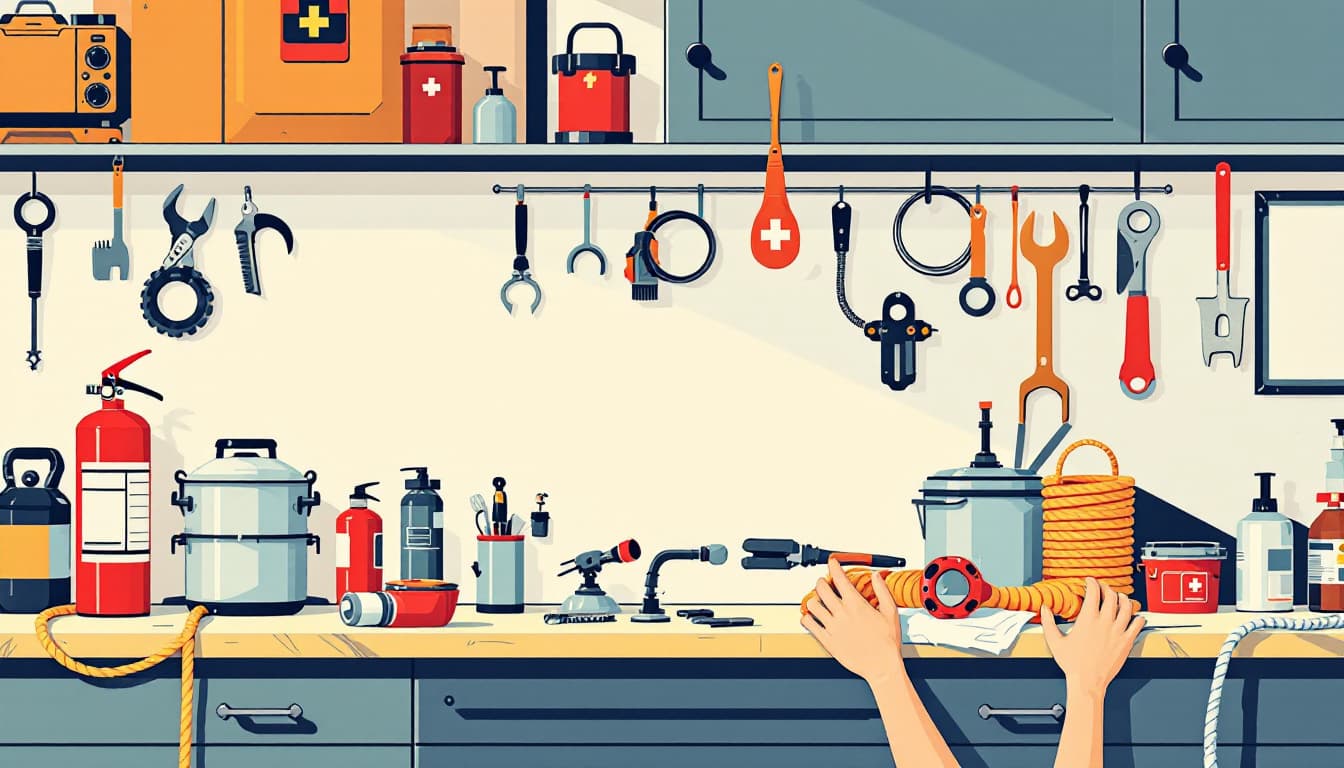
There's a first aid kit in roughly 85 percent of American homes, according to survey data collected over the past decade by emergency preparedness researchers. A much smaller percentage of those households contains anyone who has used the kit for something more consequential than a bandage. An even smaller percentage contains anyone who has taken a first aid course in the last five years — the point at which procedural memory for CPR and wound care begins to measurably degrade in people without regular practice.
This is the skill-atrophy problem, and it deserves more attention than it gets.
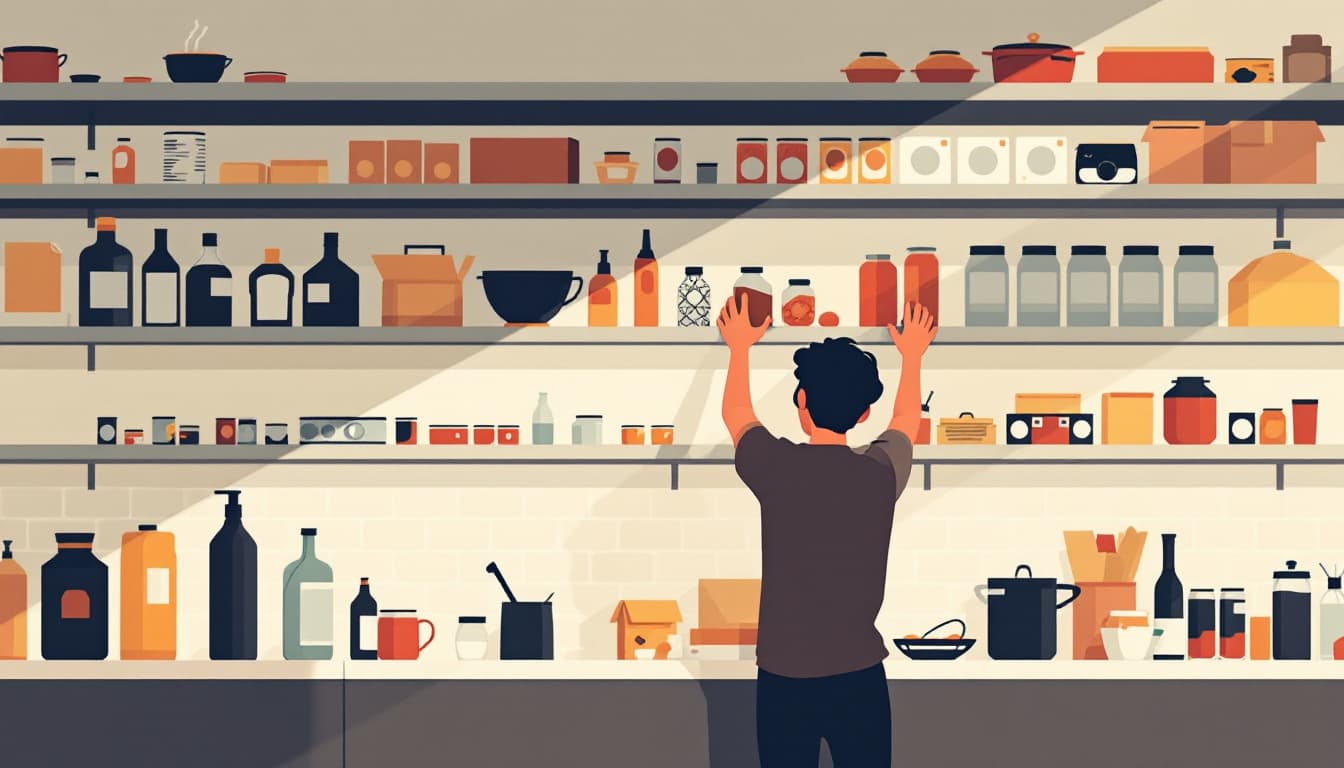
Preparedness culture has a purchasing bias. There are entire corners of the internet devoted to gear reviews, supply rotation schedules, and the correct number of gallons to store per person per day. Those conversations are not useless — physical resources matter — but they share an implicit assumption: that a household capable of buying something is also capable of deploying it under stress. That assumption is often wrong.
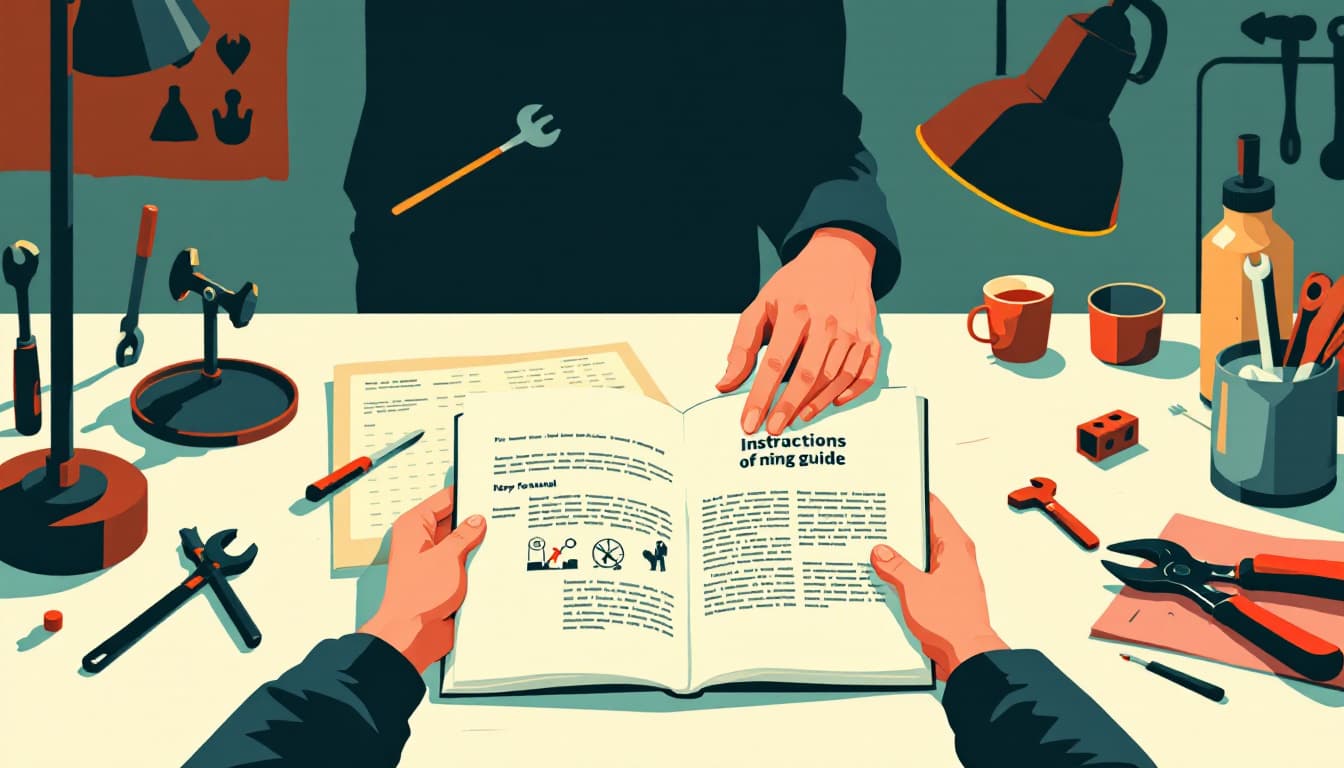
The pattern worth naming here is what behavioral economists call capability-resource decoupling — when the resources allocated to a goal outpace the capability required to use them. In household finance, it shows up as people who own index funds but can't read a brokerage statement during a volatile market. In preparedness, it shows up as households that own a water filtration system but can't locate the instruction manual, have never run water through the filter, and don't know what flow rate to expect when the filter is partially clogged.
Skills depreciate. This is not a character flaw; it is a feature of human cognition. Procedural memory — the kind that lets you suture a wound or restart a generator — requires reinforcement. Medical professionals who work in emergency settings retain skills that office-based clinicians of equivalent training do not. The mechanism here isn't intelligence or commitment; it's repetition and recency.
For a prepared household, this means that a CPR certification earned in 2019 is worth materially less than one earned in 2024. A generator that was winterized three years ago and never test-run since is a stored asset with an unknown redemption value. A hand pump for a deep well is furniture if no one in the household has ever operated one.
Why do households get this wrong? Partly because gear is visible and skills are not. You can point at a shelf of stored water and feel a sense of accomplishment that is genuinely difficult to replicate by saying "I practiced splinting a fracture this month." There's no display case for competence. Partly, too, because preparedness is often approached as a project with a completion state — once you've bought the kit, you've done the thing — rather than as a maintenance system analogous to physical fitness.
There is also a cost asymmetry that distorts decision-making. A bag of rice costs eight dollars and lasts twenty years. A wilderness first aid course costs a few hundred dollars and takes a weekend, but the skills begin depreciating immediately and need reinforcement within a few years to remain reliable. The supply feels like a better investment per dollar. Over a ten-year horizon, accounting for realistic emergency probability and the conditions under which skills would actually need to be deployed, the calculus often runs the other direction.
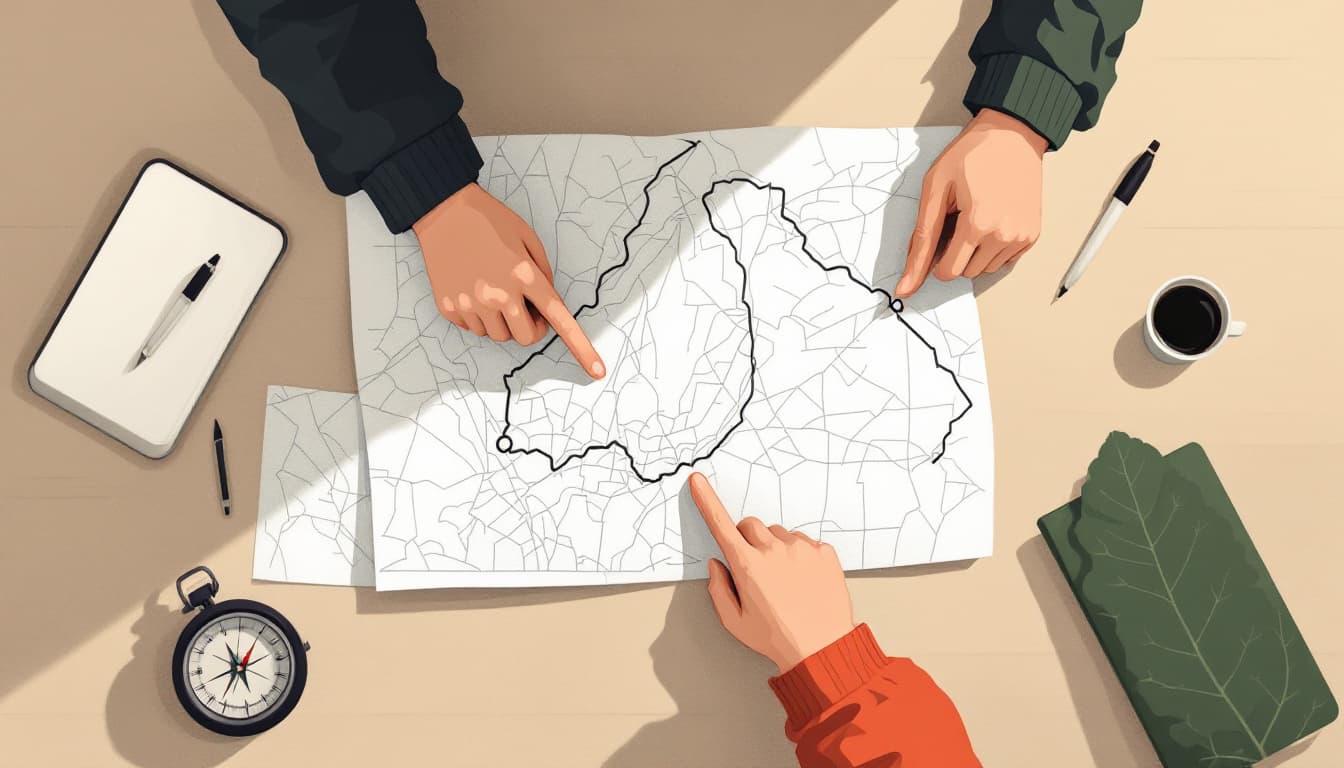
The implications for a household thinking seriously about this are not primarily financial. Most relevant skills — fire starting, water purification, basic navigation, wound care, shutting off a gas line — can be practiced at low or no cost. The constraint is attention and scheduling, not money.
What's worth auditing is the gap between what your household owns and what your household can do on a bad day, under stress, possibly in the dark. That gap is the actual measure of preparedness, and it tends to widen quietly over time while the gear shelf stays full and visible.
The shelf gives you confidence. The skill gap determines outcomes.