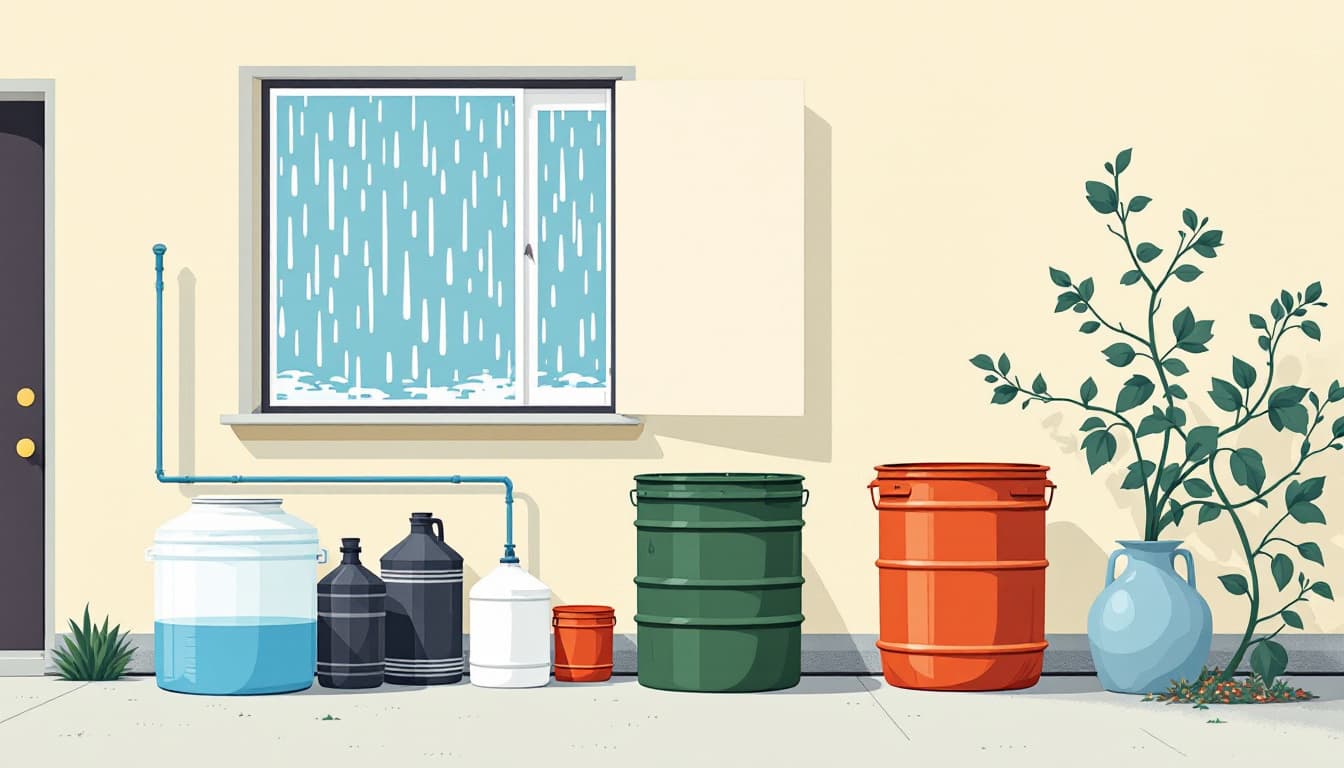
A rainstorm rolls through. The radar looks reassuring. And the lake is still six feet below its normal waterline.
SuperTalk 92.9 reported this month that lakes in their region remain locked in drought conditions even after meaningful rainfall. That gap between what fell from the sky and what actually showed up in the reservoir is not a glitch. It's how large-scale drought works, and it has direct consequences for households that haven't thought carefully about their water supply.
What's actually happening
Hydrology has a term for this: drought inertia. A lake, reservoir, or aquifer that has been drawing down for months or years doesn't recover from a few inches of rain. Most of that precipitation is absorbed by dry soil, taken up by vegetation, or lost to evaporation before it reaches surface water. Groundwater recharge is slower still — in some regions, it takes years of above-normal precipitation to restore an aquifer that dried out over a single bad summer.
This means the mental model most people carry — "it rained, so the drought is over" — is wrong in a specific and consequential way. Municipal water managers know this. They keep restrictions in place long after the TV weather segment has moved on, because they're watching storage levels, not precipitation totals.
The practical household implication: if your municipal water comes from a lake, river, or reservoir in a region that has been running dry, your supply is more fragile than it appears on a normal Tuesday. Restrictions can arrive with a few days' notice. Pressure drops. In smaller systems, boil orders follow stress events. None of that is catastrophic, but all of it rewards people who thought about it before it happened.
What we'd actually do
Check your utility's current storage status. Most municipal water authorities publish reservoir levels or drought status reports online, often updated weekly. Find it, bookmark it, and look at it once a month. This single habit puts you ahead of roughly 90% of your neighbors in terms of situational awareness.
The number you want is percent of normal capacity, not just whether restrictions are currently in place. A reservoir at 45% of normal with no restrictions is more concerning than one at 60% with Stage 1 restrictions — because the utility is already managing a deficit. That context shapes how seriously you take the next dry month.
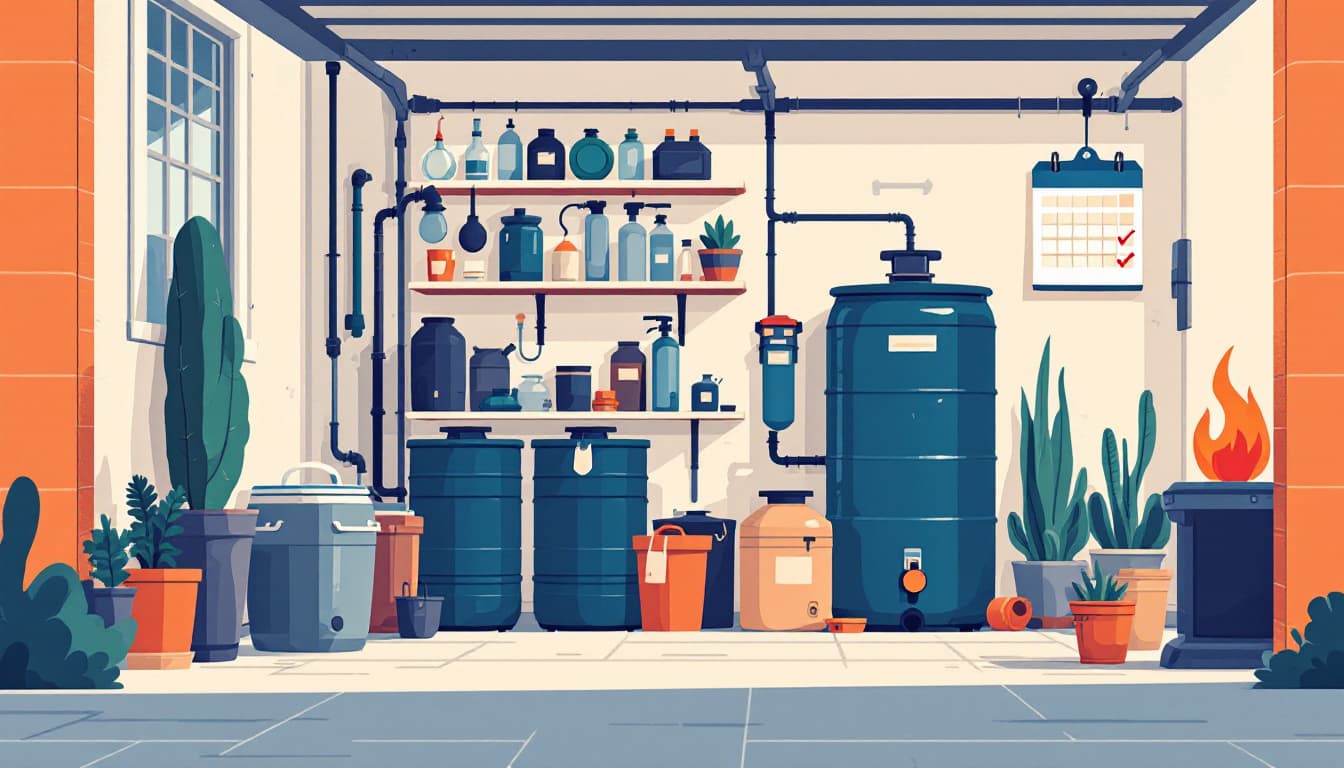
Store more water than you think you need. The standard preparedness guidance is one gallon per person per day for three days. That's a floor for a short emergency, not a buffer for a supply disruption that unfolds over weeks. A family of four with two weeks of stored water — roughly 56 gallons — can absorb a pressure drop, a boil order, or a brief service interruption without panic-buying or dependence on bottled water shipments that go fast. Large food-grade containers in a cool basement are cheap and last years if sealed properly.
Audit your water habits for what matters during a restriction. Most household water use falls into categories: toilets, showers, laundry, outdoor irrigation, and drinking. Outdoor irrigation is almost always the first target of municipal restrictions, and it's the easiest to eliminate. Knowing in advance what you'd cut — and in what order — means you make that decision calmly now, not under pressure later.
If you're on a private well, test it this summer. Wells in drought-stressed regions are drawing from aquifers that may be running lower than usual. A well that produced reliably last year can slow or yield sediment when the water table drops. A basic water test costs under $50 through most county extension offices and tells you both quality and, in some cases, signals about pressure changes that indicate supply stress.
The bigger picture
Water is the one infrastructure dependency that households consistently underestimate. Power outages get attention because they're dramatic and immediate. Water shortages tend to arrive quietly, through a tightening of restrictions and a slow draw-down of storage, until suddenly a utility is asking people to cut usage by 30% in 72 hours.
The goal here isn't to stockpile for the apocalypse. It's to be the household that doesn't have to scramble when the news catches up to what the reservoir has been showing for three months. Drought inertia is real. So is household inertia. The difference is that one of them you can do something about this week.