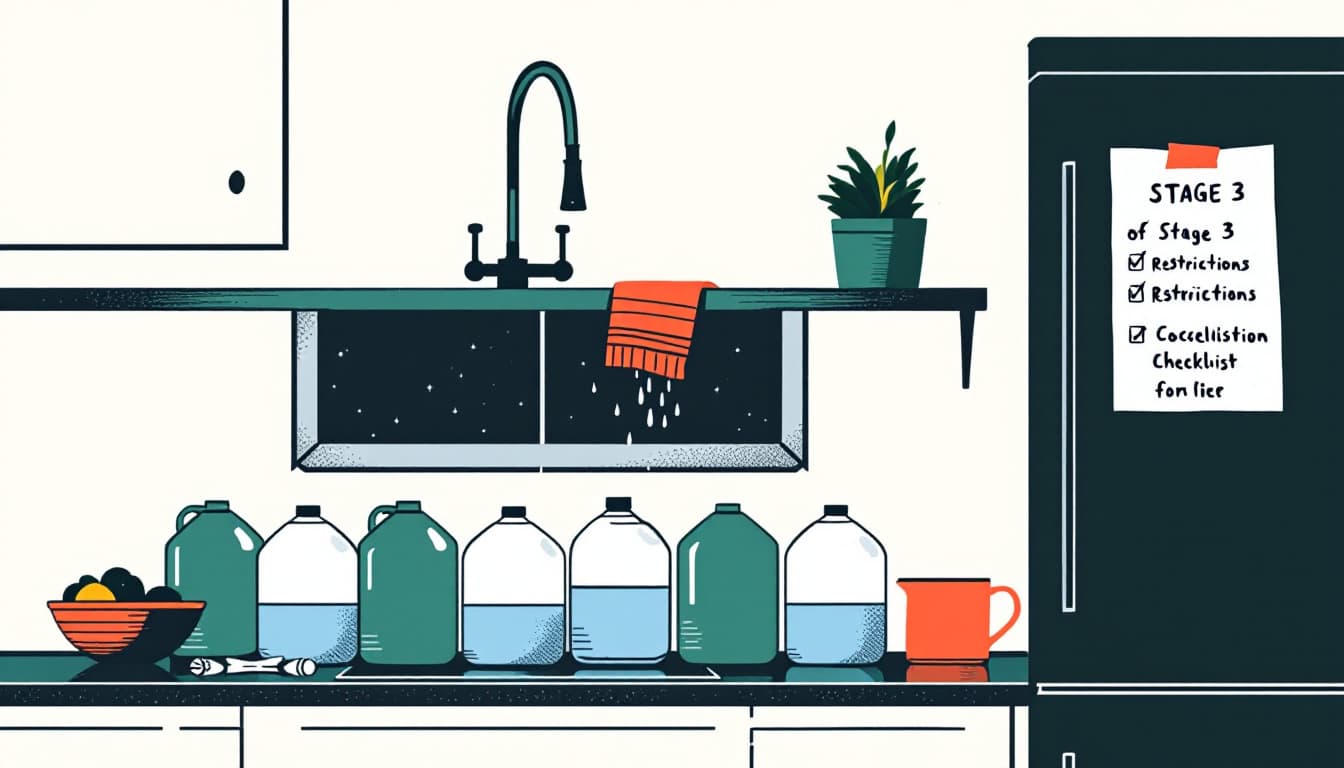
Brunswick County posted a Stage 3 Water Shortage Warning this week — mandatory restrictions, not voluntary asks — according to an alert published directly on the Brunswick County government website. Stage 3 is not the top of the scale, but it's close. It typically triggers bans on outdoor irrigation, car washing, and other discretionary use. It is the point where the system stops asking nicely.
Brunswick County sits between Wilmington and the South Carolina line. It's one of the fastest-growing counties in North Carolina, and that growth is part of what makes this moment instructive for the entire coastal region.
What's actually changing
The Wilmington metro area has dealt with compounding water stress for several years: aging distribution infrastructure, population growth that has outpaced capacity planning, and a summer precipitation pattern that is increasingly unreliable. Brunswick County draws from surface water sources and a shared regional supply network. When demand spikes in July — and it always spikes in July — the margin between adequacy and shortage narrows fast.
Stage 3 is not a crisis invented by cautious bureaucrats. It reflects real storage drawdown. At this level, the county is trying to reduce total system demand by roughly 30 percent or more to keep reservoir and distribution pressure stable. If that drawdown continues without either rain or demand reduction, Stage 4 — emergency rationing — becomes a realistic next step.
The broader signal here isn't just Brunswick County. The NC Department of Environmental Quality tracks drought conditions statewide, and much of the southeastern Piedmont and coastal plain has been running moisture deficits since late spring. Households in New Hanover, Columbus, and Pender counties should be watching this closely. The infrastructure is interconnected enough that stress in one system can accelerate decisions in adjacent ones.
What we'd actually do
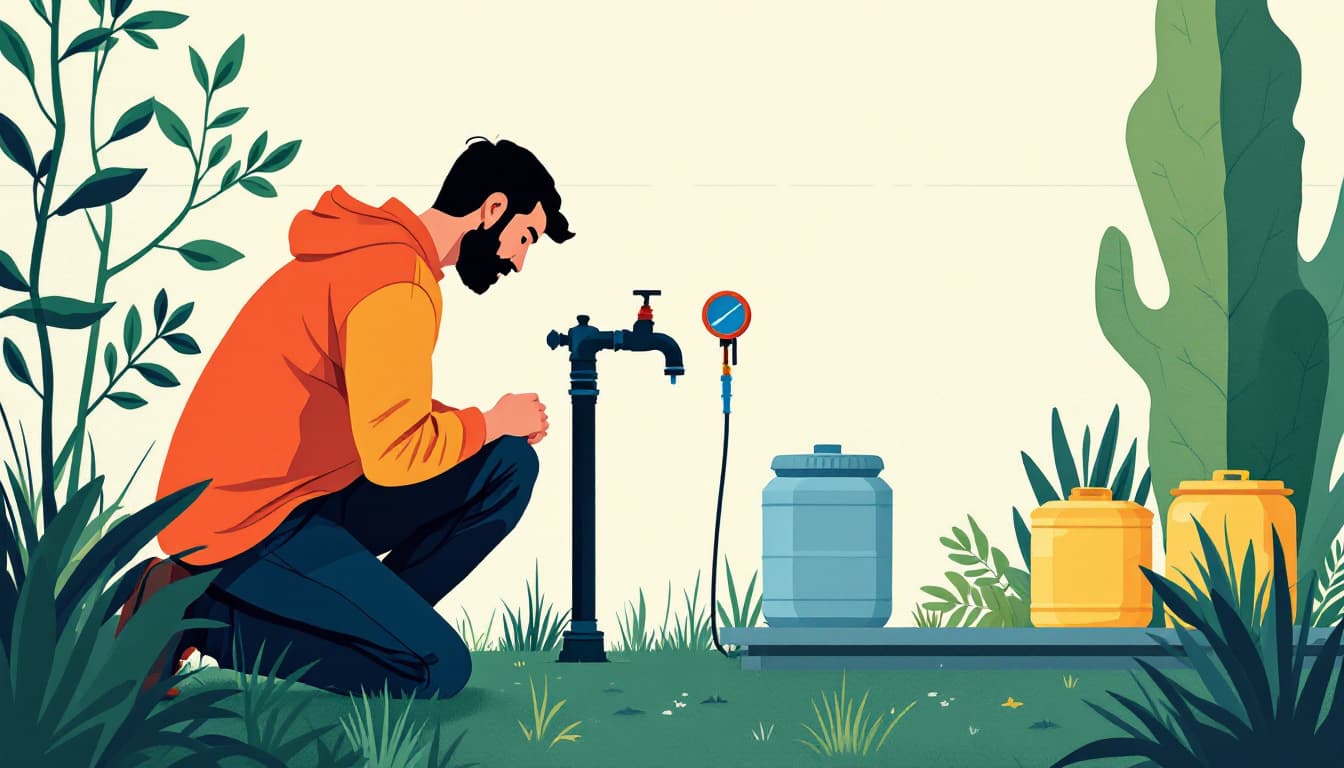
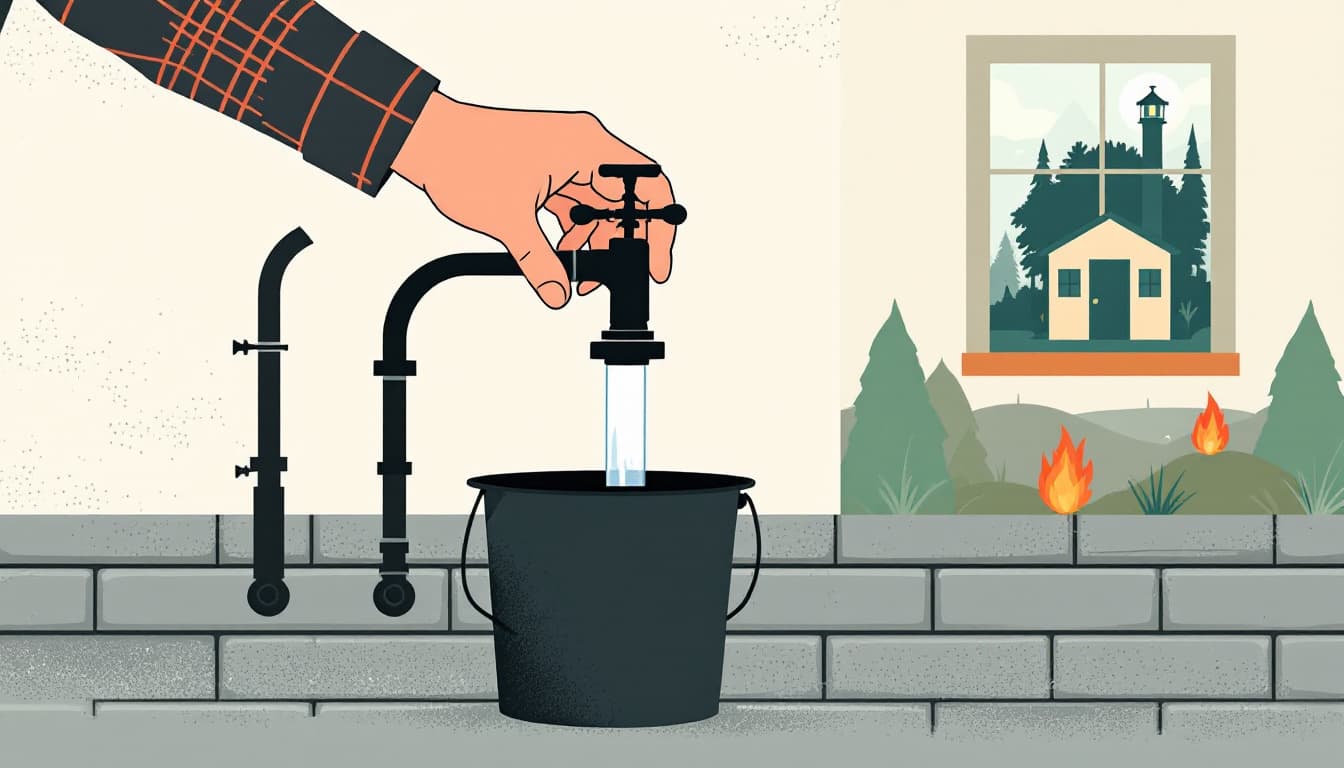
Store water now, before restrictions tighten further. A Stage 3 warning is your clearest possible signal that tap access could become intermittent. Fill every large food-grade container you have. The standard guidance — one gallon per person per day — is a floor, not a target. Two gallons per person per day covers cooking, basic hygiene, and a margin for error. A family of four needs about 56 gallons to cover two weeks, which fits in four to five standard water storage containers available at most hardware stores for under $30 each.
Know your county's actual restriction rules, not the summary. Brunswick County's staged restriction ordinance specifies exactly which uses are banned at each stage, what the fine structure looks like, and whether exceptions exist for medical or livestock needs. Pull the ordinance from the county website directly. Many households who think they're compliant are running afoul of nuances — and more importantly, understanding the full ordinance tells you how much worse Stage 4 would actually get.
Audit your outdoor water use now and cut it before you're ordered to. Outdoor irrigation accounts for 30 to 50 percent of residential water use in summer months according to EPA WaterSense program data. If you have an irrigation system on a timer, turn it off today. Letting turf go dormant is not a crisis; turf recovers. Vegetable gardens can be watered by hand at the root zone, which uses a fraction of the water a sprinkler wastes to evaporation.
Identify your non-tap water sources. This sounds more extreme than it is. If you have a neighbor with a well, introduce yourself now. Locate the nearest creek, retention pond, or lake that could supply water for toilet flushing if pressure drops — non-potable uses matter because they free up your stored drinking supply. Check whether your neighborhood or HOA has any shared water storage assets.
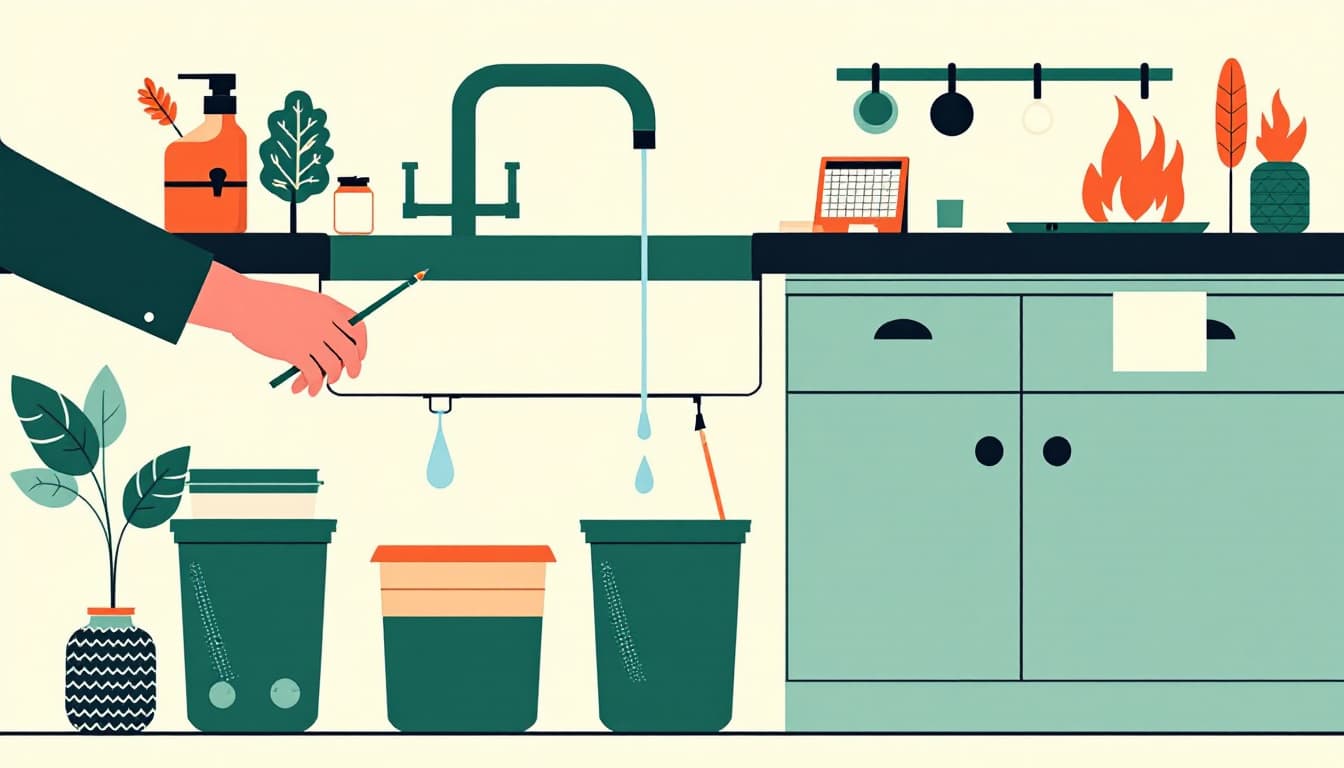
Check your water heater and pipes for leaks. A running toilet wastes roughly 200 gallons per day. A slow faucet drip adds up. During a shortage, every gallon of internal waste is a gallon subtracted from your buffer. Spend 15 minutes doing a walk-through of every fixture in your home.
The bigger picture
Brunswick County's Stage 3 warning will likely resolve — either rain arrives, demand drops, or both. But the structural conditions that produced it are not going away. North Carolina's coastal counties are absorbing population faster than their water infrastructure was built to handle, and summer weather has become less predictable as a planning baseline.
The goal of preparedness isn't to stockpile against catastrophe. It's to reduce how disruptive an ordinary system failure is to your household. Water storage, fixture audits, and understanding your county ordinance are not bunker-building. They're the same logic as keeping your gas tank above half.
Durability is not dramatic. It's the family that gets through a two-week restriction without panic because they made three simple decisions in July.