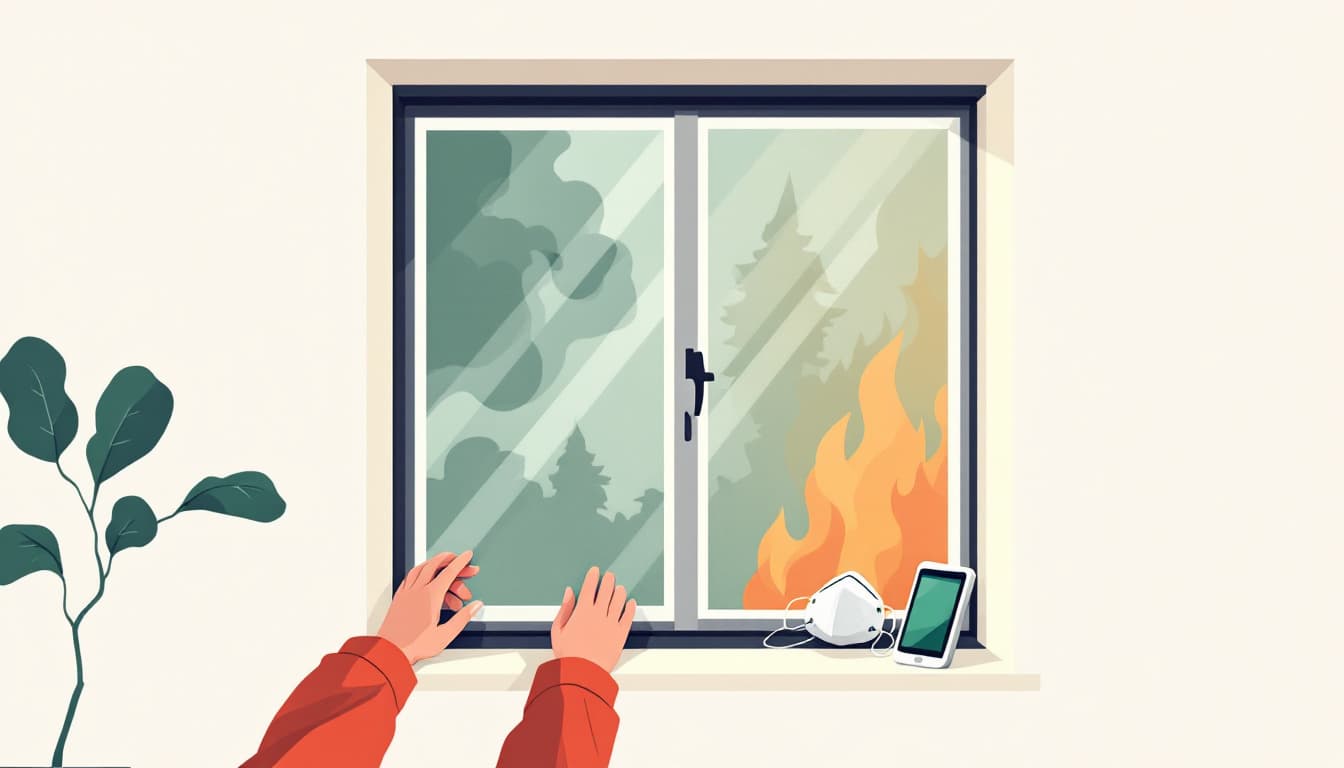
A report this week from MyNorthwest.com noted wildfire smoke pushing into Western Washington, producing hazy skies across the region. Oregon sits directly upstream of that same smoke corridor. The Willamette Valley, the coast range, and the high desert east of the Cascades all channel smoke from fires burning in British Columbia, Northern California, and eastern Oregon itself. If you haven't built a working indoor air plan since last summer, this week is the reminder.
What's actually changing
Oregon's smoke season used to be a late-August problem. Recent fire patterns have pushed it earlier, and the July window is now reliably active. The Oregon Department of Environmental Quality publishes AQI readings at oregonair.org in near real-time, and their smoke forecast maps are genuinely useful for day-ahead planning. When AQI crosses 150, the air is unhealthy for everyone, not just sensitive groups.
The gap most Oregon households have isn't information — it's the physical capacity to reduce exposure once smoke arrives. Opening windows for summer cooling is automatic. Switching to a sealed, filtered house is a learned behavior that takes preparation.
Two failure modes appear every smoke season. First, households have no portable air purifier, or they own one that's undersized for the room they're actually using. Second, households have HVAC systems with MERV-8 filters installed, which do almost nothing for fine particulate smoke. MERV-13 is the practical minimum for smoke filtration in a forced-air system; most hardware stores in Portland, Eugene, and Bend stock them.
A useful rule: AQI above 100, close up and filter. Below 100, ventilate normally. That threshold is simple enough to hand off to teenagers managing the house.
What we'd actually do
Check your HVAC filter this week, not when smoke arrives. Pull the existing filter and look at the MERV rating printed on the frame. If it's below 13, replace it before the next smoke event. A MERV-13 filter at a hardware store runs $15–25. Note that higher-MERV filters increase resistance; if your system is older, run it briefly to make sure airflow isn't noticeably reduced. If it sounds labored, drop to MERV-11 as a compromise.
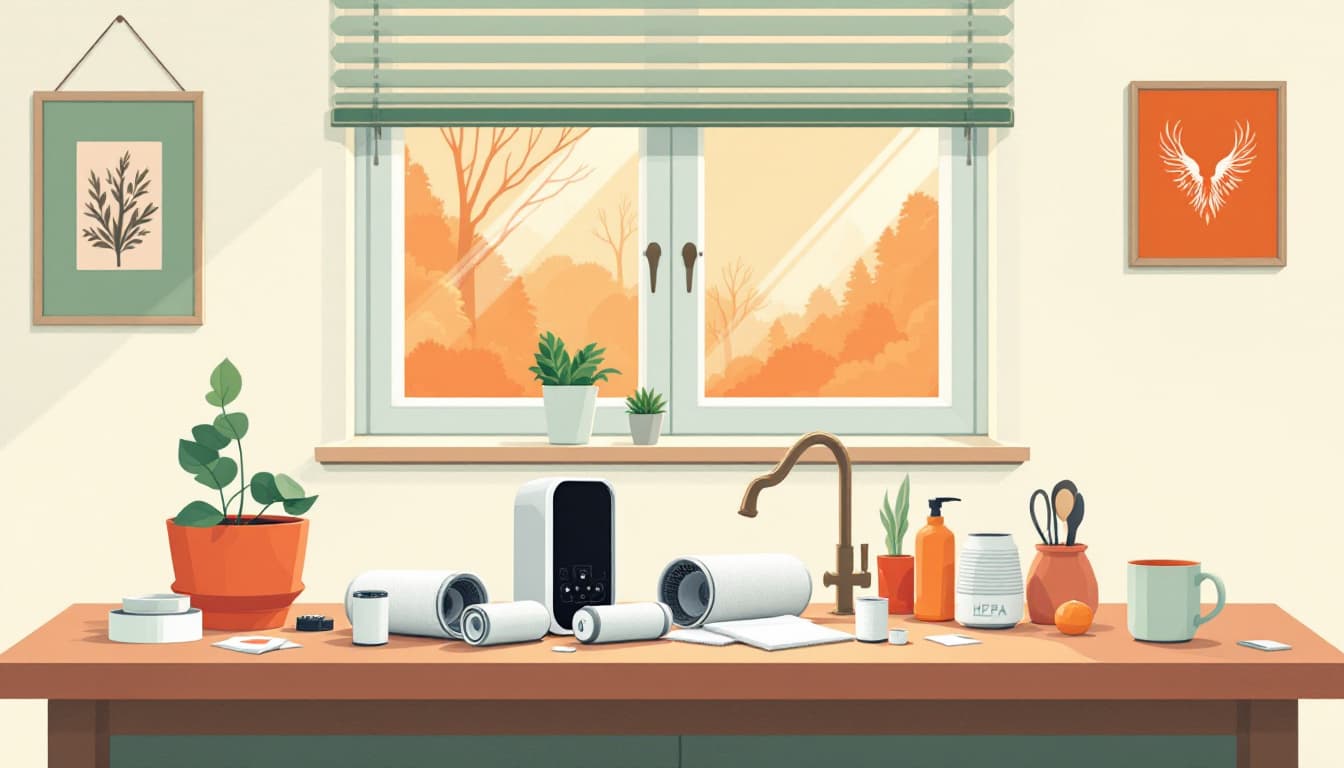
Build one clean room in your house. A single bedroom with a portable air purifier and sealed gaps handles most smoke exposure for a family. A purifier rated for the actual square footage of that room — not the optimistic manufacturer claim — costs $80–150 for a reliable HEPA unit. Run it on high during active smoke events. This is the single highest-value purchase for families in the Willamette Valley corridor.
Buy N95s before you need them, not during. Oregon pharmacies and hardware stores reliably sell out of N95 respirators during the first heavy smoke week of summer. A box of ten runs about $20 at non-panic prices. Keep them in the car and at home. A cloth mask or surgical mask does not filter fine particulate at the levels that matter for smoke.
Bookmark oregonair.org and set a phone shortcut. The DEQ's real-time map is more granular than national AQI apps for Oregon-specific conditions. Ashland reads differently than Medford. Lincoln City reads differently than Salem. The map lets you make actual decisions rather than regional generalizations.
Know how long your clean-room plan can hold. If you need to seal windows and run filtration for 48 hours, do you have enough food, water, and medications to avoid unnecessary outdoor trips? This isn't a bunker scenario — it's a practical question about whether your household can stay comfortable inside for two days. If the answer is uncertain, address that now.
The bigger picture
Smoke seasons don't end. They compress and intensify. Oregon households that have built reliable indoor air quality habits — a decent filter, one well-sealed room, a box of N95s, a real-time AQI bookmark — are not preparing for catastrophe. They're treating a recurring seasonal event like the practical infrastructure problem it is.
The goal is to reach September without cumulative lung burden from two months of casual smoke exposure. That's durability. It's also just good sense.