On a bad smoke day in Portland or Medford, the AQI can climb past 200 — a reading the EPA classifies as "very unhealthy" — within hours of a wind shift. A report this week from KUNC examined the health impacts tied to what some fire officials are describing as "apocalyptic" air quality conditions across the West. The piece details respiratory and cardiovascular harm from fine particulate matter, known as PM2.5. What it doesn't cover is what an Oregon household should actually have in place before the next red or purple air day arrives.
What's actually changing
Oregon's fire season has stretched. The Oregon Department of Forestry now regularly tracks active fire conditions from late June through October, compared to a window that historically ran closer to August through September. That's not a political claim — it's visible in the state's own historical fire data. The practical result for households is more days per year when outdoor air is genuinely dangerous, and less warning time between ignition and degraded air quality.
PM2.5 particles are small enough to bypass the nose and throat and lodge in lung tissue. Short-term exposure at high concentrations worsens asthma, triggers cardiac events in people with existing heart disease, and causes measurable drops in lung function even in healthy adults. Children, people over 65, and anyone with asthma or COPD face the steepest risk. This isn't speculation — it's what EPA and Oregon Health Authority advisories have stated consistently across multiple fire seasons.
The problem for Oregon households is geography as much as biology. Rural communities east of the Cascades, including Bend, Klamath Falls, and the Rogue Valley, tend to see smoke first and often have fewer medical resources nearby. The Willamette Valley, while wetter, acts as a funnel that traps smoke from both eastern Oregon fires and blazes in Northern California.
What we'd actually do
Check airnow.gov before you open windows or run errands, every morning during fire season. AirNow pulls real-time data from Oregon DEQ monitoring stations. The site has a map view. Bookmark it now, before a smoke event, because searching for it at AQI 180 while your eyes are burning is worse. Set a morning habit: check air quality the way you check weather.
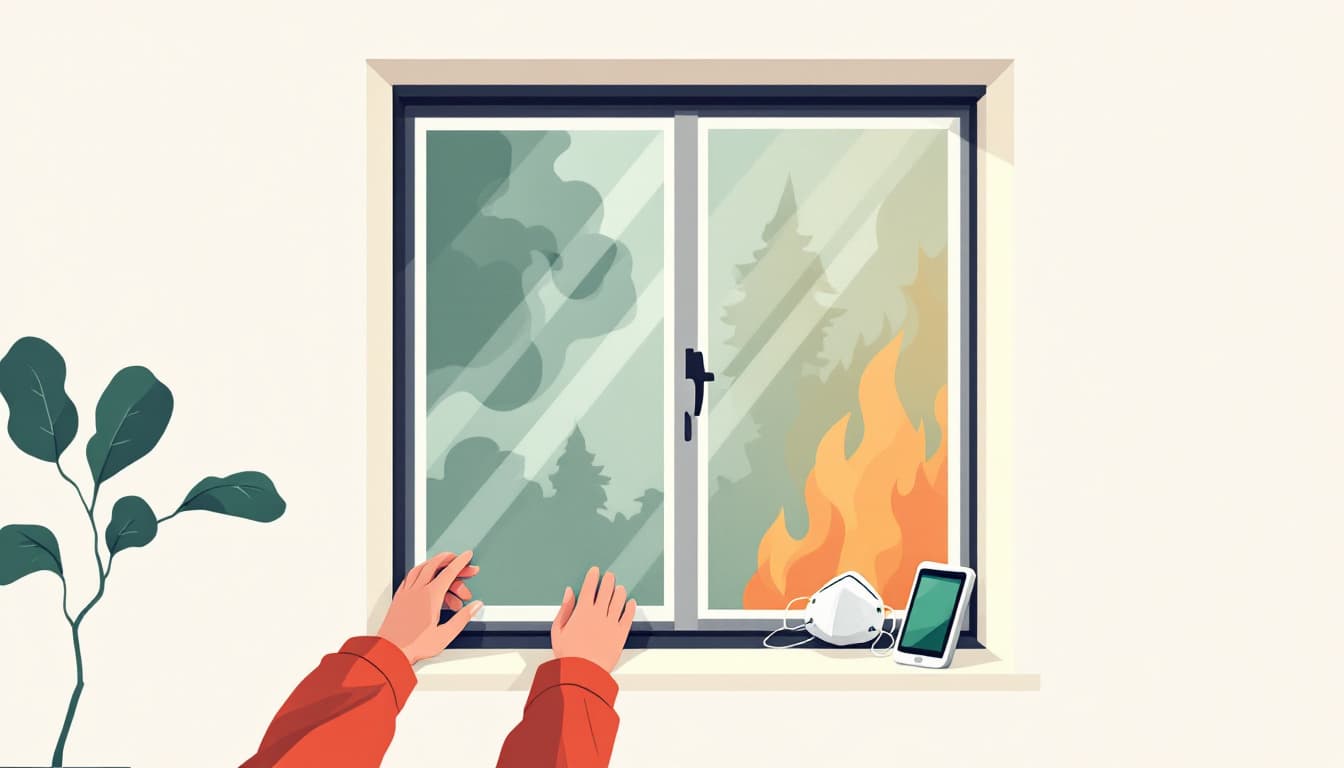
Buy a box of N95 or KN95 respirators and store them where you'll actually grab them. Cloth masks and surgical masks do not filter PM2.5. An N95 respirator, worn correctly with a tight face seal, does. A box of ten runs roughly $15–25. One box per household member over 12 is a reasonable baseline. Keep them near your door, not in a storage bin in the garage. If you already have them from the COVID years, check the expiration dates — most manufacturers print them on the box.
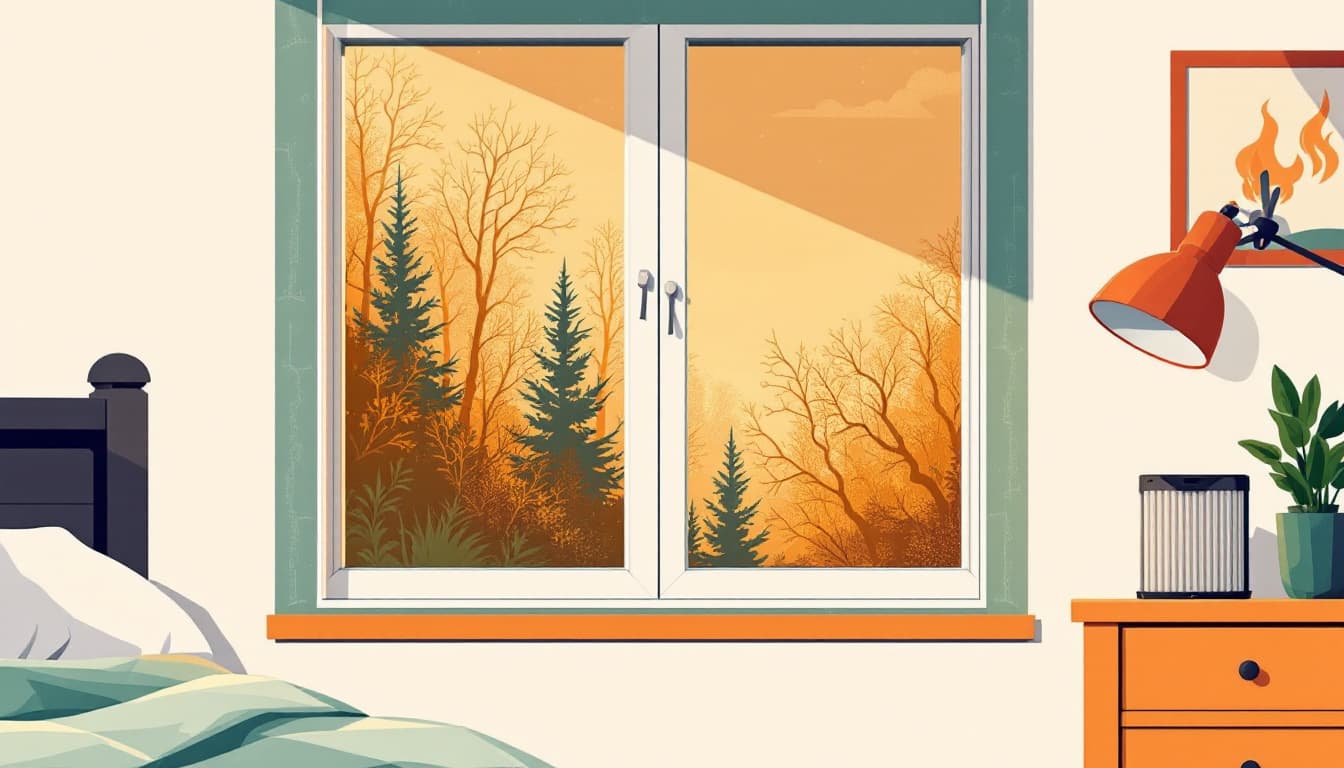
Seal one room in your home as a clean-air refuge. You do not need to seal your entire house. Pick the room with the fewest windows and exterior doors — a bedroom or interior bathroom works. A window air conditioner with a fresh-air intake vent you can close, or a portable HEPA air purifier running in a smaller space, can bring particulate levels down significantly. Oregon DEQ has published guidance on this approach. A basic HEPA purifier adequate for a small room costs $60–120 and serves double duty during allergy season.
Know your household's medical baseline before a smoke event, not during one. If anyone in your home uses a rescue inhaler for asthma, confirm the prescription is current and that you have a refill on hand before August. During a severe smoke event, pharmacies in affected Oregon communities can run low on albuterol inhalers. This happened in the 2020 Labor Day fires across the Rogue Valley. A 30-day supply buffer is a reasonable standard.
Sign up for OregonAlerts and your county emergency notification system. Oregon uses a statewide emergency notification platform, and most counties layer their own alerts on top. Lane County, Jackson County, and Deschutes County all run their own systems with opt-in text alerts. These push notifications faster than local news. It takes about four minutes to register.
The bigger picture
Wildfire smoke is not a fringe preparedness concern for Oregon households — it is now a reliable annual event in most of the state. The response doesn't require a bunker or a year of supplies. It requires a working air quality monitor, appropriate masks, one clean room, and a refilled prescription. That's the whole list. The goal isn't to prepare for the apocalypse. It's to spend the next bad smoke week breathing normally instead of not.