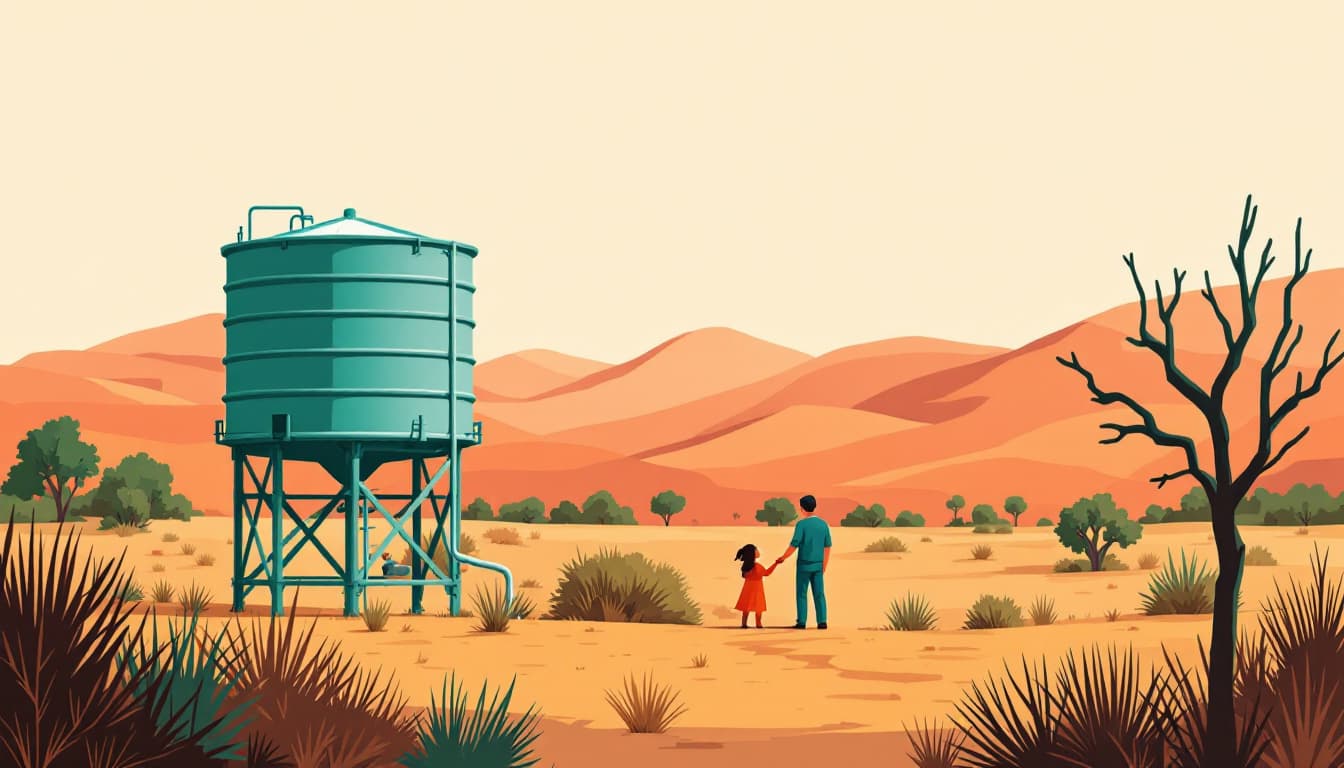
A report this week from Central Oregon Daily details an emergency rescue operation being planned for 499 wild horses in Oregon, where vanishing water sources across the state's high desert have created a crisis for feral horse populations. The situation is unfolding across the arid landscape of Central Oregon, a region already prone to extreme drought cycles and chronically stressed surface water availability.
The Bureau of Land Management, which oversees wild horse and burro populations on federal grazing lands throughout the American West, is coordinating the emergency gather. Numbers like 499 animals represent a substantial portion of a herd management area population, and emergency gathers of this scale are resource-intensive operations involving helicopter roundups, temporary holding facilities, and veterinary support. BLM's Oregon and Washington State Office has jurisdiction over the affected herd management areas in the region.
The timing is significant. Early September marks the tail end of Oregon's driest season, when snowmelt-fed springs and stock ponds that sustain wildlife across the high desert east of the Cascades are at their lowest or have failed entirely. A prolonged dry period compounds what is already a structurally stressed water environment in Harney, Lake, and Malheur counties, where much of Oregon's federal wild horse range sits.
For those tracking resource scarcity beyond the immediate animal welfare story, the disappearance of surface water across Oregon's eastern airshed and high desert is a signal worth noting in a broader context. Oregon's water infrastructure — including the irrigation districts, rural wells, and municipal systems that serve communities in the Deschutes Basin and points east — draws from the same snowpack and groundwater systems that sustain wildlife. Oregon Water Resources Department monitors these basins closely, but extended dry conditions that eliminate natural water sources for wildlife can also foreshadow stress on the shallower private wells and small municipal systems that rural Oregon households depend on — systems with far less redundancy than the large reservoirs serving the Willamette Valley.