A report this week from Central Oregon Daily described three hiker deaths at Grand Canyon National Park, with extreme heat listed as the cause. The deaths happened during what park rangers described as a dangerous heat window — the kind that builds fast, peaks hard, and catches day hikers who left the trailhead at 8 a.m. feeling fine.
Oregon is not the Grand Canyon. But Oregon has Steens Mountain, the Painted Hills area, the exposed ridgelines above Bend, and the eastern Cascades — all of which see summer temperatures that can spike past 100°F with little shade and unreliable cell service. The Oregon Department of Emergency Management tracks heat as one of the state's underrated killers. It doesn't make the news the way wildfire does. But in a bad heat year, it kills more people per event than most disasters that generate wall-to-wall coverage.
What's actually changing
The pattern isn't just "it gets hot in summer." It's that the onset of dangerous heat is becoming less predictable in Oregon's shoulder seasons — late June and early September especially. A hike that was perfectly safe in similar conditions three years ago may not be safe this week. Heat domes that used to stall over the Great Basin now regularly extend into Central Oregon and the Willamette Valley. Most day hikers calibrate risk based on past experience, and that past experience is a lagging indicator.
The Grand Canyon deaths are a useful mirror because that park has extensive signage, ranger patrols, and a well-worn safety culture — and people still died. Trail culture in Central and Eastern Oregon is thinner. Fewer rangers, fewer other hikers who might notice someone in distress, and cell coverage that drops the moment you leave the highway.
What we'd actually do
Check the NWS Portland or NWS Pendleton forecast — not a weather app — before any hike above 4,000 feet or in exposed eastern Oregon terrain. Weather apps smooth out peaks. The National Weather Service zone forecasts will tell you if there's a heat advisory or excessive heat warning in place for your specific region. If there's a warning, reschedule. This is not a gear problem; it's a decision problem.
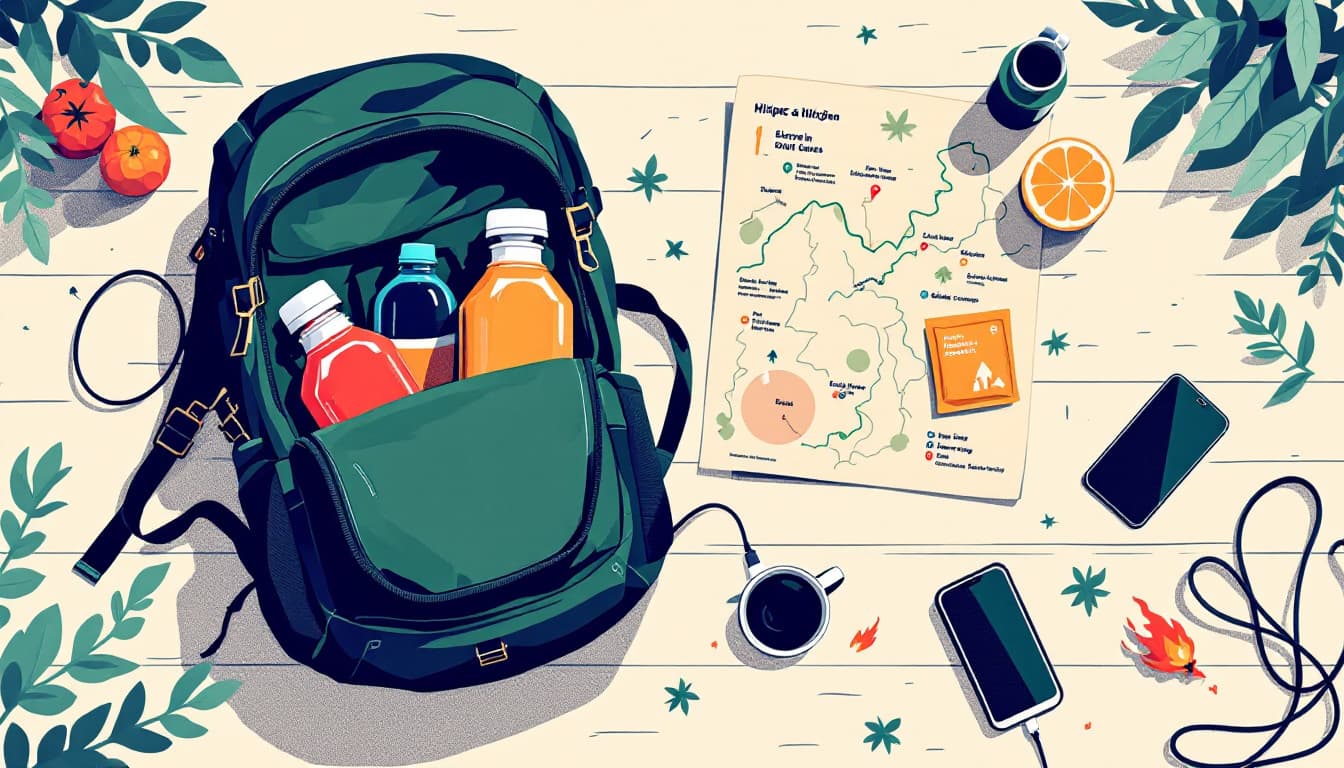
Carry one liter of water per hour of planned hiking, plus a half-liter buffer. Most day hikers carry a single 32-ounce bottle for what they think is a two-hour hike that becomes four. In 95°F heat with low humidity — common on the eastern slope of the Cascades — sweat evaporates before you feel it, which means thirst is not a reliable early warning. A $12 two-liter soft flask from any outdoor retailer collapses flat when empty and weighs almost nothing.
Learn to recognize heat exhaustion before it becomes heat stroke. Heavy sweating, pale skin, fast weak pulse, nausea, and muscle cramps are heat exhaustion — still recoverable with shade, water, and rest. When the sweating stops, the skin turns hot and red, and someone becomes confused or loses consciousness, that is heat stroke, and it requires emergency services. Oregon hikers should know both stages by name and symptom, not just as a vague sense that "someone looks bad."
Tell someone your trailhead and expected return time before you leave cell range. This costs nothing. It is the single highest-leverage safety habit for Oregon's remote trails, and it is ignored constantly. A text to one person — "I'm at Paulina Peak trailhead, back by 3 p.m." — creates a rescue trigger if you don't check in.
Build a household heat kit for the car, not just the trail. A soft cooler with two frozen water bottles, an emergency mylar blanket, oral rehydration salts (not sports drinks — the sodium ratio matters), and a small battery fan can sustain someone for the 45 minutes it sometimes takes to reach help on an eastern Oregon highway. This is a $30 investment that lives in the trunk.
The bigger picture
The Grand Canyon deaths are news because they happened at a famous park. Heat deaths on Oregon's less-trafficked trails are quieter. They generate a brief local report, a family's grief, and no lasting change in how the next group of hikers packs their bags.
The goal of preparedness isn't to never go outside. It's to go outside in a way that accounts for conditions as they actually are, not as they were last summer or as your optimism predicts they'll be. Oregon's trails are worth hiking. They require honest planning.