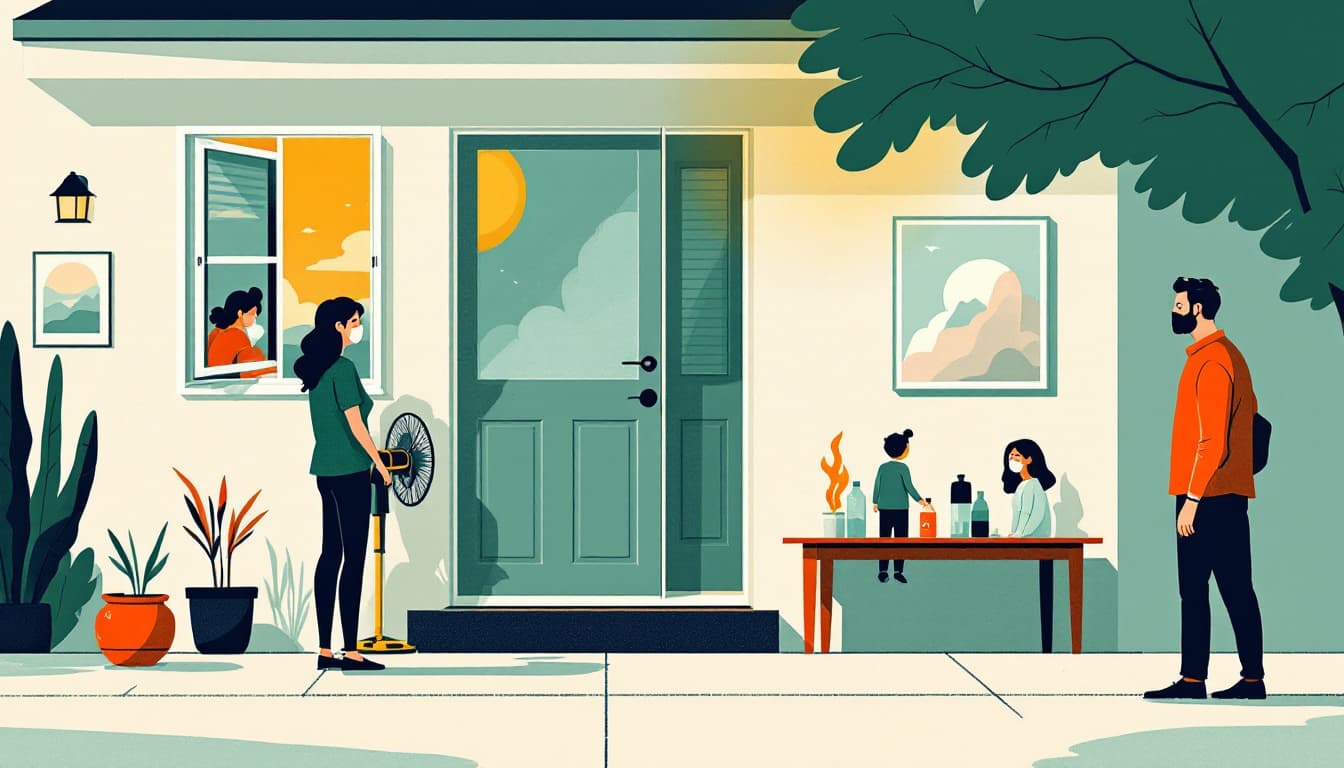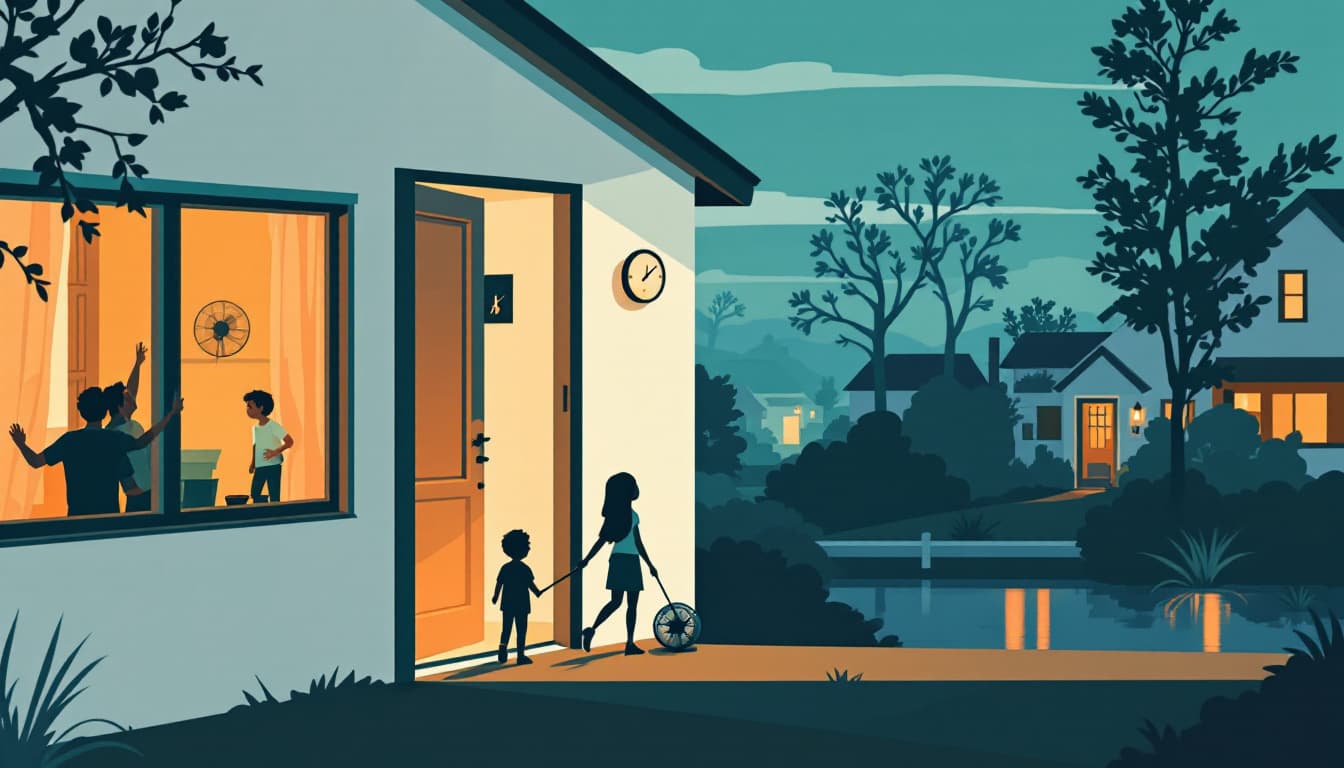
A graduation ceremony is a low-drama stress test for a city's heat infrastructure. Hundreds of families, many traveling from out of state, block off hotel rooms, book flights, arrange childcare, and show up expecting a few hours outside. When Eugene had to declare a heat emergency and reschedule the University of Oregon's commencement, according to a report from KEZI this week, those plans collapsed. Not catastrophically — nobody died at a ceremony that didn't happen — but the disruption was real, and it points at something Oregon households should be thinking about before the next event hits with less warning.
What's actually changing
The Willamette Valley does not have a Phoenix climate. It also does not have Phoenix infrastructure. Most homes in Eugene, Salem, and Corvallis were built before residential air conditioning was standard, and Oregon's housing stock reflects that. Oregon Health Authority data has consistently shown that heat-related illness spikes sharply during events that would be considered mild in the Southwest but are severe by local standards — temperatures in the mid-90s can be genuinely dangerous in a house that holds heat and has no mechanical cooling.
The timing matters too. June heat events used to be unusual in the valley. The Oregon Climate Change Research Institute has noted a pattern of warming across the state's western lowlands that shifts the window of extreme heat earlier in the season. Families planning outdoor events — or simply households that haven't yet dug out a box fan — are increasingly caught off-guard in early summer rather than late July.
None of this is doom. It is a shift in baseline that requires a corresponding shift in household planning.
What we'd actually do
Map your home's heat load before the next event, not during it. Walk through your house on a hot afternoon and note which rooms are genuinely unusable above 85°F. Most older Oregon homes have one or two rooms that stay cooler — north-facing, below grade, or shaded by mature trees — and identifying them now means you have a plan when temperatures spike. A single window AC unit or portable evaporative cooler placed in that room can make it a functional refuge for the household.
Know your nearest cooling center and confirm it's open before you need it. Lane County, Multnomah County, and Marion County all maintain cooling center registries that activate during heat advisories. These listings change. The address that worked in 2024 may have closed or shifted hours. Take ten minutes this week to find the current list from your county's emergency management page and save it in your phone contacts — not a browser bookmark you'll forget to open.
Build a simple heat protocol for vulnerable household members. If you have anyone over 65, under five, or managing a condition that affects heat tolerance — heart disease, MS, medications that impair sweating — write down a specific temperature threshold at which you take action, and what that action is. "We'll go to my sister's apartment" is a plan. "We'll figure it out" is not. The 2021 heat dome event in the Pacific Northwest, which killed hundreds across Oregon and Washington, showed that the households hit hardest were often ones where no one had a designated responsibility for checking on a vulnerable person.
Stock electrolytes alongside your water supply. Water storage advice in preparedness circles focuses almost entirely on quantity — the standard is one gallon per person per day. That's right, but incomplete. During heat stress, electrolyte balance matters. A few cases of oral rehydration packets or even standard sports drink powder stored with your water supply is cheap insurance. This is especially relevant for older adults, who often don't register thirst until they're already mildly dehydrated.
Check your vehicle's readiness for a heat event. Oregon families who had to drive home from a canceled Eugene event this week did so in heat. A car breakdown on I-5 in 95-degree weather is a medical situation. Check coolant levels, confirm your AC is functional, and keep a liter of water in the car year-round. This takes fifteen minutes and costs nothing if your car is already in good shape.
The bigger picture
The Eugene commencement disruption is a minor story. Families were inconvenient, not harmed, and the ceremony presumably got rescheduled. But minor disruptions are exactly the kind of signal that's worth paying attention to, because they surface a vulnerability before it becomes a crisis. Oregon's early summers are getting less predictable, and much of the state's housing stock, outdoor culture, and event planning assumes the mild maritime climate of thirty years ago.
The goal here is not to make you afraid of June. It is to help your household absorb a heat event — whether that's a canceled ceremony, a three-day spike, or a power outage during a heat advisory — without it becoming a genuine emergency. Durability looks like a cool room you've already identified, a cooling center number you've already saved, and a plan you've already talked through with the people in your house.