On June 28, 2021, Portland hit 116°F — the highest temperature ever recorded in Oregon. Dozens of people died. Most of them were alone, indoors, in homes with no air conditioning, in a city that had never taken triple-digit heat seriously. Five years later, A report this week from Newsweek described millions of Americans being told to stay inside during another extreme heat event. Oregon is again in the conversation.
The problem is that "stay inside" is better advice for some households than others.
What's actually changing
Oregon sits in an awkward climate position. The west side of the Cascades — Portland, Salem, Eugene — was built around mild, wet summers. Most pre-1990 housing stock has minimal insulation designed to retain heat, not repel it. Air conditioning penetration in the Willamette Valley remains well below the national average, according to recent U.S. Energy Information Administration survey data.
The east side of the Cascades — Bend, Medford, Ontario — runs hotter by default but also has more AC-adapted housing and residents with more heat experience. The risk isn't uniform.
What is shifting: Oregon's heat events are arriving earlier in the calendar and recovering more slowly overnight. When nighttime lows stay above 70°F, the "cool down at night, endure during the day" strategy breaks. A house that reaches 90°F inside on day one may hit 95°F by day three if nighttime relief doesn't come. Oregon Emergency Management has noted in recent preparedness briefings that multi-day heat events are more dangerous than single-day spikes, precisely because of that cumulative interior heat load.
"Stay inside" during a heat emergency assumes your inside is cooler than outside. In older Oregon housing without AC, that assumption collapses by afternoon on day two.
What we'd actually do
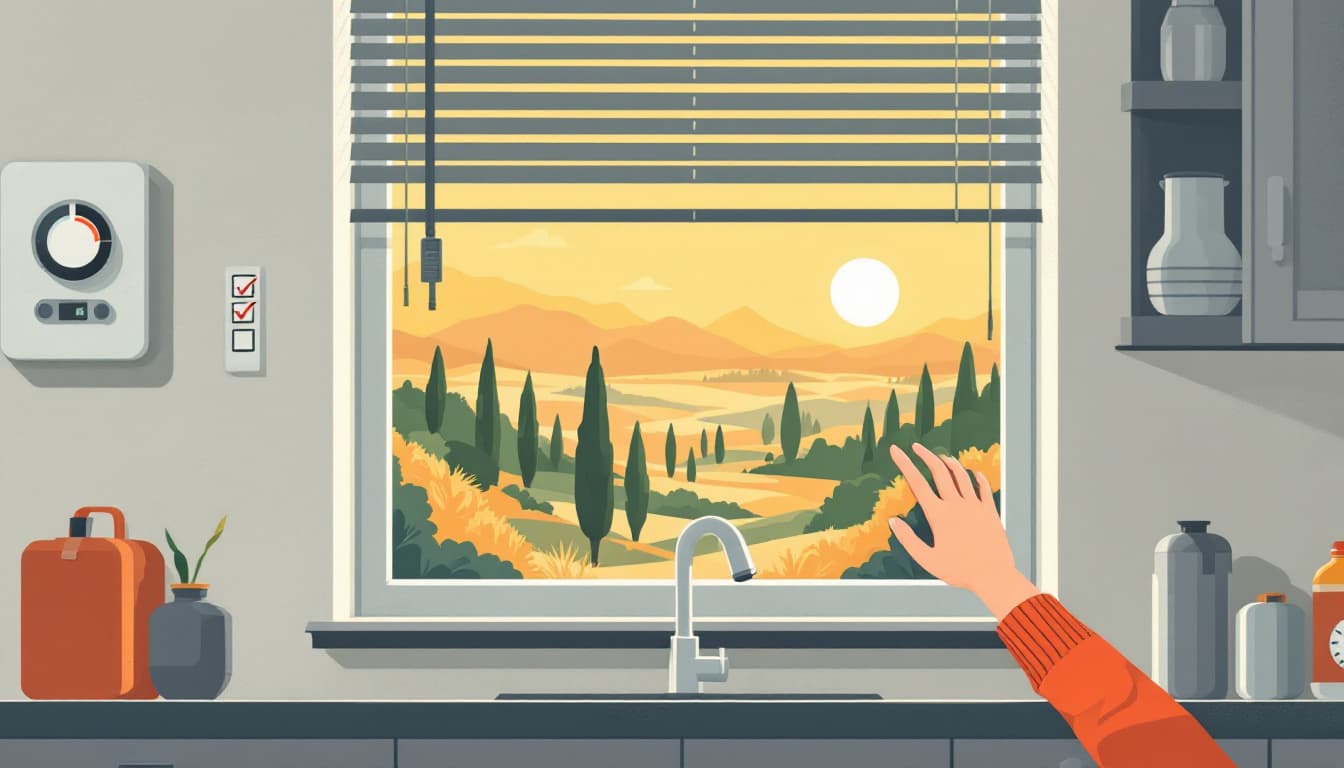
Audit your home's actual indoor temperature right now, before the next event. Buy or borrow a simple indoor thermometer and leave it in your hottest room for a week. Most people genuinely don't know how hot their home gets. If your bedroom hits 85°F on a 95°F day, you have a specific problem to solve — not a vague "stay cool" goal.
This costs under $15 and gives you a baseline. Oregon's 2021 after-action reports from Multnomah County found that many households had no idea their interior temps were dangerous until they felt symptoms. A thermometer doesn't fix the problem, but it tells you whether you have one.
Identify your nearest cooling center before the heat arrives. Multnomah County, Marion County, and Lane County all operate cooling center networks that activate during official heat advisories from the National Weather Service Portland office. These locations shift event to event. The Oregon Office of Emergency Management maintains a resource locator, but local county emergency management pages update faster. Bookmark your county's page now, not during a warning.
Knowing the address of your nearest cooling center in advance takes three minutes. Searching for it on a phone during a 103°F afternoon when you're already heat-stressed takes much longer and may not happen at all.
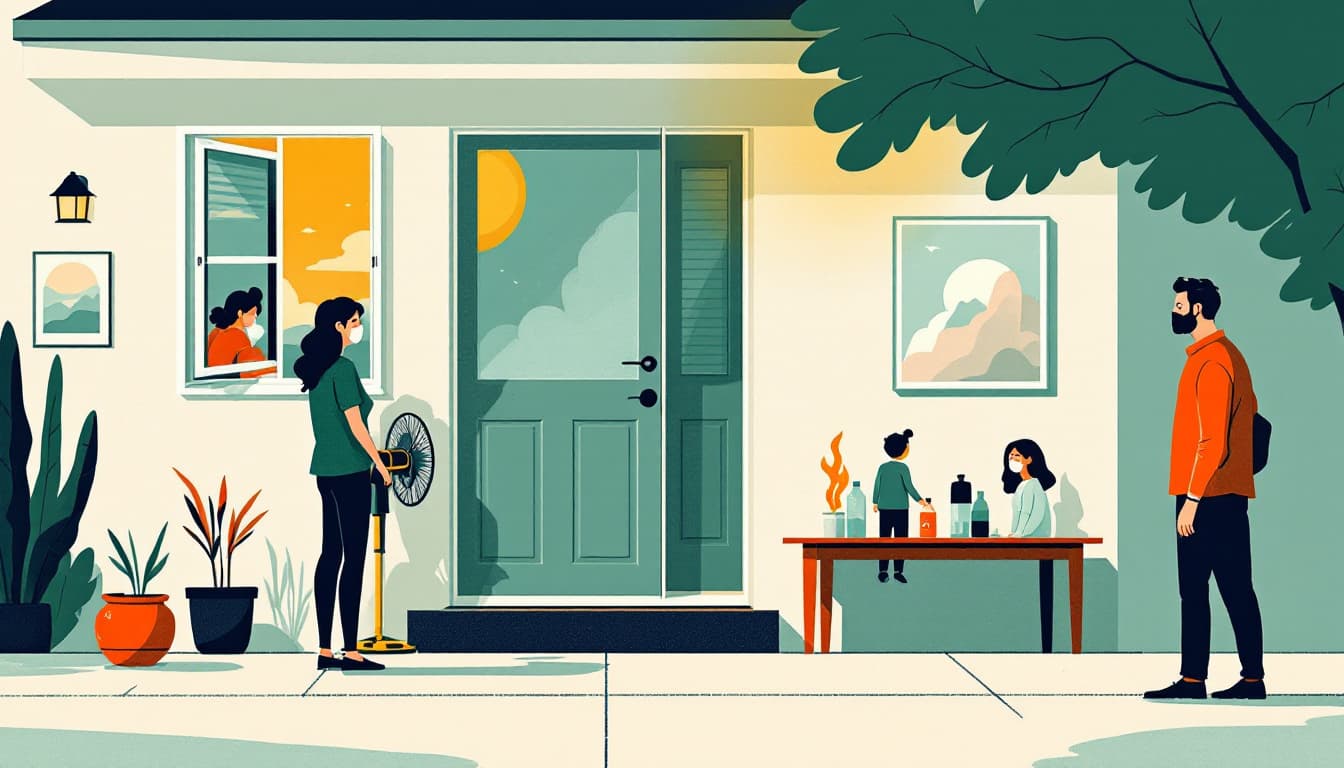
Set up one room as a defensible cool zone using what you already own. Pick the lowest, darkest room in your home. Block east and west-facing windows with moving blankets, blackout curtains, or even taped cardboard starting the evening before a forecast event. Run a box fan at night pointed outward to exhaust hot air and pull cool air in through a lower window on the shaded side of the house. Stop the exchange when outdoor temps rise above indoor temps in the morning — typically around 8–9 a.m. in Oregon heat events. The goal is to trap cooled air, not circulate warm air.
This is free if you own a fan. It can reduce interior temperatures by 5–10°F compared to doing nothing, which is the difference between uncomfortable and dangerous for older adults and young children.
Check on one neighbor and make that a standing agreement, not a one-time favor. Oregon's 2021 heat dome deaths were disproportionately among people living alone who had no one checking on them. Ask a neighbor directly: "If there's a heat warning, I'll knock on your door by 10 a.m. You do the same for me." That's the whole ask.
Informal mutual aid like this costs nothing and addresses the actual mechanism of heat mortality — isolation.
The bigger picture
Oregon has had five years to update its housing stock, expand cooling center capacity, and build heat-resilient neighborhoods. Progress has been uneven. The Newsweek report reflects a national pattern of reactive advisories that tell people what to do without accounting for whether they have the means to do it.
Your job isn't to wait for perfect infrastructure. It's to make your specific household more durable than average, at low cost, before the next advisory drops. The households that fared best in 2021 weren't the ones with the best equipment. They were the ones who knew their building, had a plan, and had someone watching out for them.
That's achievable this week.