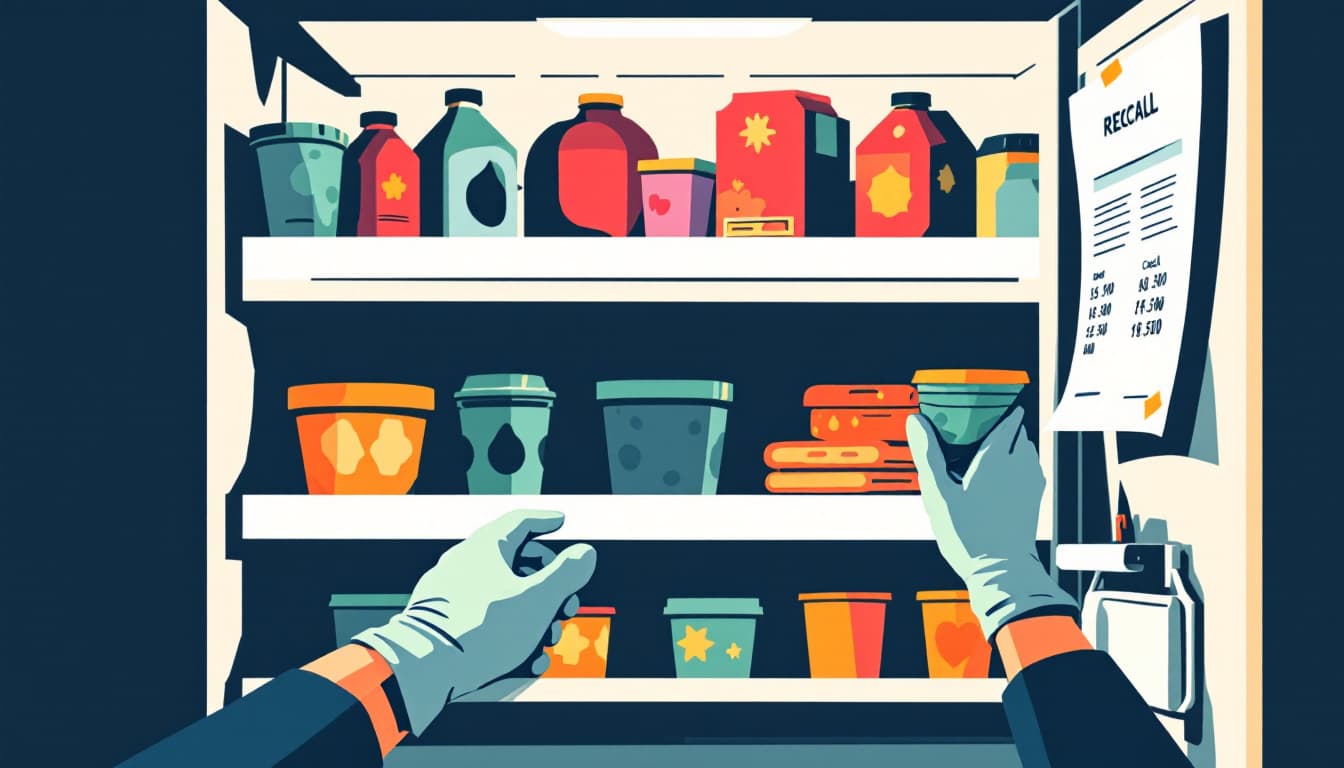
A powdered drink mix sitting in a Portland pantry right now might be on a federal recall list. Most households won't know until someone gets sick.
A report this week from OregonLive.com described a California-based company pulling its drink mix products from distribution across Oregon and Washington after salmonella contamination was identified. The recall affects product that reached store shelves in both states. The FDA maintains a public recall database, but the burden of checking it falls entirely on the consumer.
What's actually changing
This isn't a dramatic food-chain collapse story. It's a mundane, recurring failure mode: a contaminated batch ships, sits in distribution for a while, moves into household pantries, and the recall notice arrives late or gets missed entirely. The FDA issues hundreds of food recalls per year. Most households intercept zero of them in real time.
The specific risk here is salmonella, which causes serious illness in healthy adults and can be dangerous for children, older adults, and anyone immunocompromised. Powdered products are a recurring vector because contamination can occur at the ingredient-sourcing or blending stage, before any heat treatment that might otherwise reduce bacterial load.
For Oregon households, the distribution footprint matters. Products that ship through California often reach Oregon via I-5 corridor distributors serving grocery chains from Medford to Portland to Astoria. "Distributed in Oregon" means it could be in a Fred Meyer in Eugene or a small grocery in Bend. The geographic spread is wide.
The deeper issue is that most preparedness-oriented households are actually more exposed to this risk, not less. Buying in bulk and storing for months means a recalled product can sit in a basement or garage long after a recall is issued, long after the store has pulled it from shelves.
What we'd actually do
Sign up for FDA MedWatch and USDA FSIS recall alerts now. Both agencies offer free email alerts when a recall is issued. The FDA recall alert signup is at fda.gov; the USDA's food safety alerts are at fsis.usda.gov. This takes under five minutes and puts the notice in your inbox rather than waiting for you to stumble across news coverage weeks later.
Oregon households should also consider bookmarking the Oregon Department of Agriculture's food safety page, which sometimes posts state-specific distribution details that the federal agencies don't surface at the local level. When a recall involves a West Coast distributor, the ODA notice often includes more specific retail chain information than the national press release.
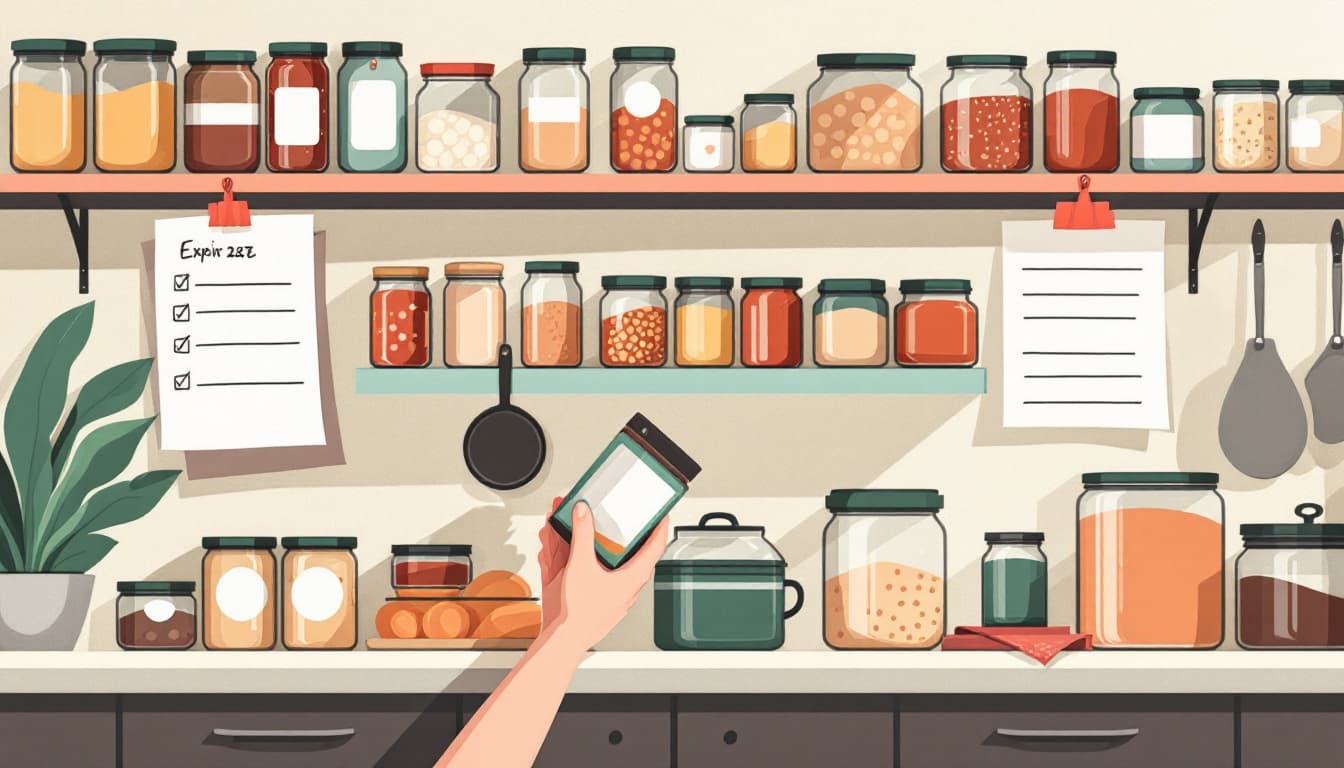
Build a simple log for your dry-goods pantry. You don't need an app. A notebook or a note in your phone with the brand, product name, purchase date, and lot number for anything you buy in bulk is enough. Recall notices specify lot numbers and best-by date ranges. Without that information on hand, you're either throwing out everything that might match or taking a guess. This is especially relevant for powdered items: drink mixes, protein powders, flour, spice blends, and soup bases are all categories with recurring recall histories.
Rotate your stored food on a genuine schedule, not a theoretical one. A bulk buy that sits untouched for 14 months means you're eating products that were recalled, repriced, or reformulated without your knowledge. The practical rule: if you can't realistically consume it within 6 months, don't stock more than a modest reserve of it. Preparedness value comes from rotation, not accumulation.
Cross-check your current pantry against the FDA recall database this week. The FDA's recall search at fda.gov/safety/recalls-market-withdrawals-safety-alerts lets you filter by date and product category. Spend ten minutes with your pantry open. It's not a thrilling task. It's the kind of task that occasionally prevents a genuinely miserable weekend.
The bigger picture
Recalls like this one aren't signals that the food supply is collapsing. They're signals that it's large, complex, and imperfect — which it has always been. The response isn't to stop buying packaged food or to treat every powdered product as suspect. It's to close the information gap that exists between when a recall is issued and when your household finds out.
Oregon families who store food for emergencies are doing something sensible. The maintenance layer — knowing what you have, knowing when it was recalled, knowing when to use it — is what separates a functional pantry from a box of unknowns in the back of a closet.
Durability isn't about having more. It's about knowing what you have.