A report this week from mypanhandle.com flagged a salmonella-linked recall of alfredo sauce sold in Florida. If you bought a jarred pasta sauce recently and haven't checked the recall, stop here and check the FDA's recall database at fda.gov before reading further. That's not catastrophizing — that's the minimum.
Now, for everyone who just came back: this recall is routine in the sense that the FDA issues dozens of food recalls every month. It's worth attention in the sense that salmonella in a shelf-stable sauce is a sign of a specific production failure, not just a short shelf life. And for Florida households building out any kind of food reserve — even a modest two-week pantry — a recall like this exposes a gap most people haven't closed.
What's actually happening here
Jarred sauces sit in pantries for months. That's the point. When a recall touches a shelf-stable product, the window between purchase and discovery can be long, and in Florida's heat and humidity, food storage conditions already put pressure on packaging integrity. A jar that looks fine may have been compromised before it reached your shelf.
The deeper issue: most households with stored food have no system for tracking what they bought, when, and from which lot. That's not a character flaw — it's just not something anyone teaches. But recalls only work if consumers can match a lot number to a product in their possession. If you can't, you're guessing.
Florida's specific geography matters here too. Panhandle residents may shop different distribution chains than South Florida households. A recall flagged in Pensacola-area stores doesn't automatically mean Tampa or Miami shelves are clear — or that they weren't stocked from the same lot. Check the FDA notice for distributor and lot information, not just brand name.
What we'd actually do
Pull every jar of alfredo and cream-based pasta sauce from your pantry and check it against the FDA recall notice right now. This takes four minutes. Go to fda.gov/safety/recalls-market-withdrawals-safety-alerts, filter by food, and search the brand name. Match the lot number on the jar lid or bottom. If it matches, do not open it — the FDA notice will tell you whether to discard or return for a refund.
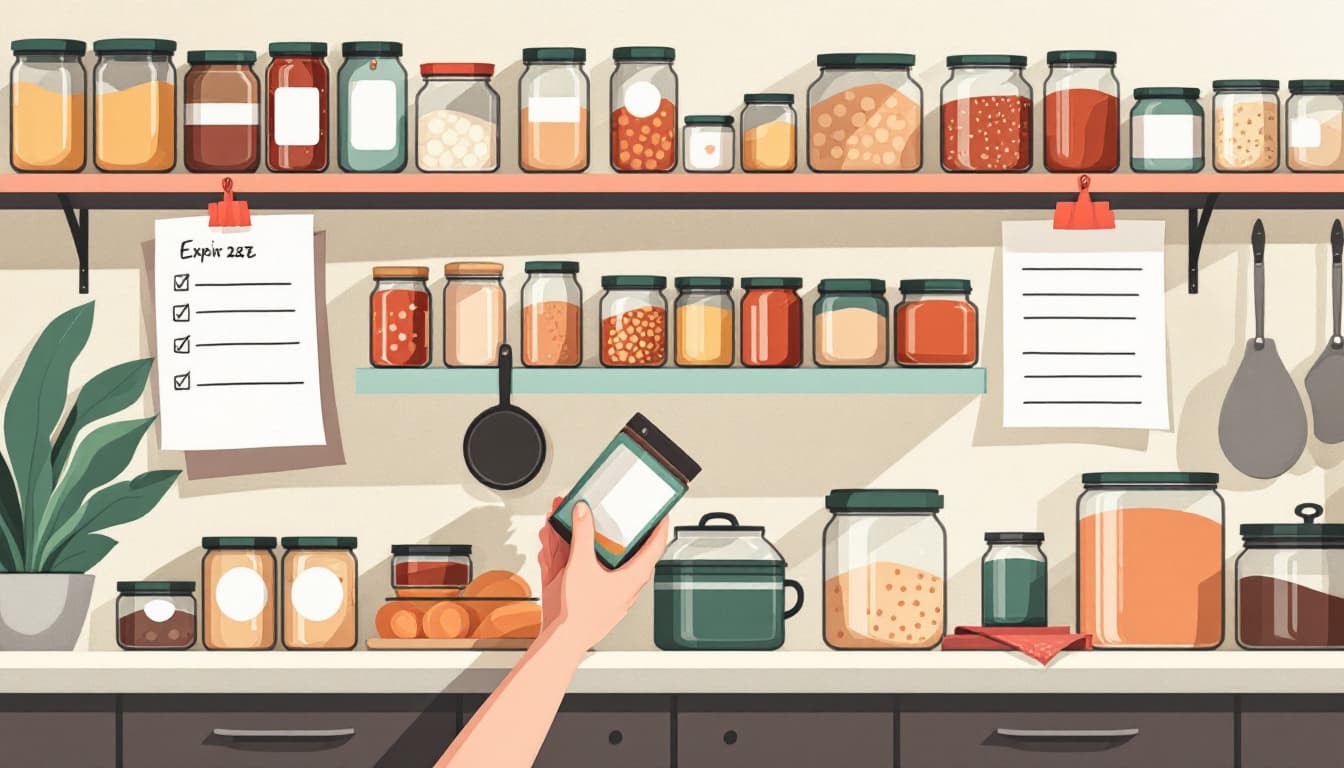
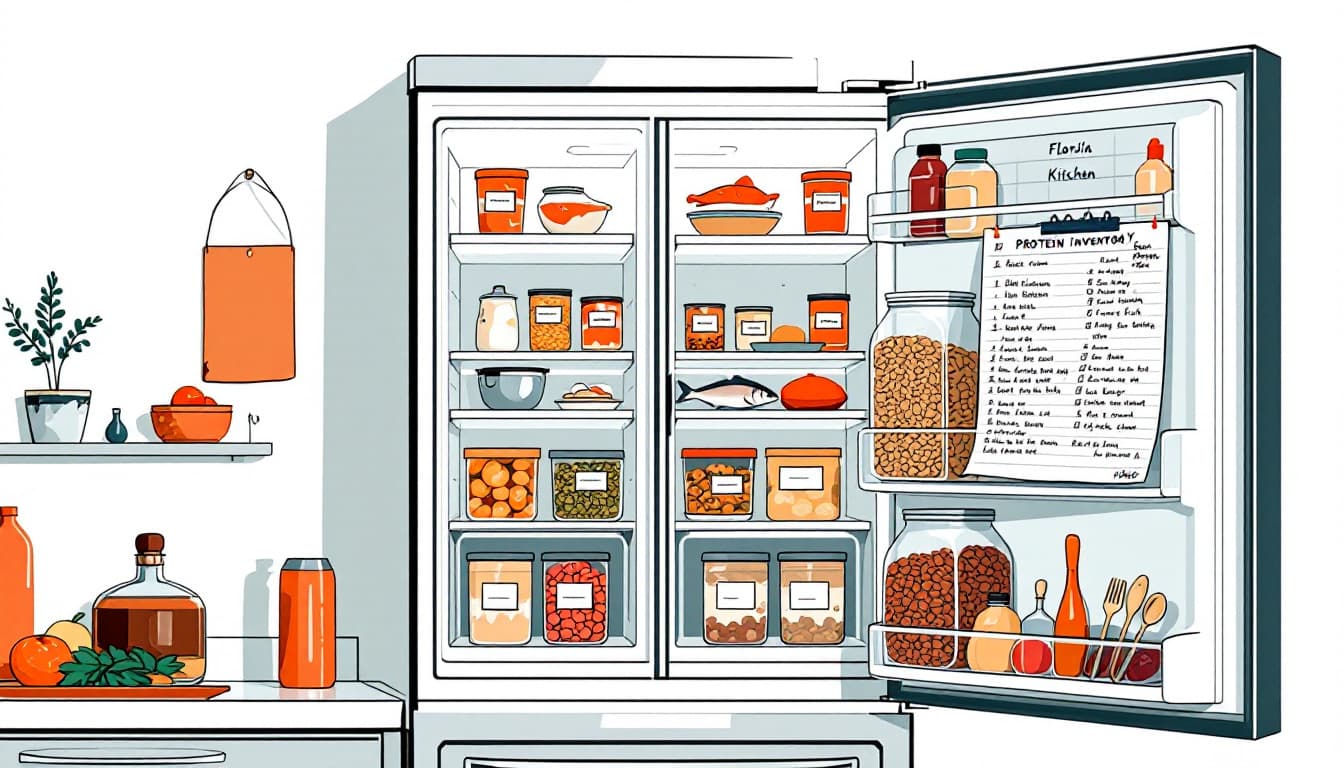
Start a simple lot-tracking habit for any food you're storing more than one of. A single sheet of paper on the inside of a pantry door works. Product name, purchase date, lot number if the item is one you buy in bulk or store long-term. This isn't prepper cosplay — it's the same thing a small restaurant does. When a recall hits, you check the sheet instead of digging through boxes.
Store shelf-stable foods in a cooler part of your home, not the garage. In Florida, an uninsulated garage routinely hits 100°F or above from April through October. Heat degrades seals and accelerates spoilage in ways that aren't always visible. A pantry closet on an interior wall, or a dedicated shelf in an air-conditioned room, extends actual shelf life and keeps packaging more reliable.
Set a quarterly reminder to cross-reference your stored food against the FDA recall list. The FDA's recall page is searchable and free. Fifteen minutes every three months is enough to catch anything that's been flagged since your last shop. This is especially useful if you buy in bulk from warehouse stores, where a single purchase might represent six months of supply.
When a recall involves a specific regional distributor, call your local store. Florida grocery chains — Publix, Winn-Dixie, regional independents — typically pull recalled product quickly, but timing varies by store. A quick call to the store manager confirms whether their specific stock has been pulled and whether you can bring back a product for a refund even without a receipt.
The bigger picture
A salmonella recall is not a sign the food system is collapsing. It's a sign the recall system is working — imperfectly, with lag time, but working. The goal of household food preparedness isn't to stockpile your way to invulnerability. It's to have enough margin that when something goes wrong — a recall, a storm, a week without grocery access — you're inconvenienced rather than unsafe.
A pantry that's tracked, rotated, and stored properly does that. A pantry that's just "stuff we bought and forgot about" creates its own risks. Florida households have good reasons to keep food reserves. Keeping those reserves organized is the part that actually makes them useful.