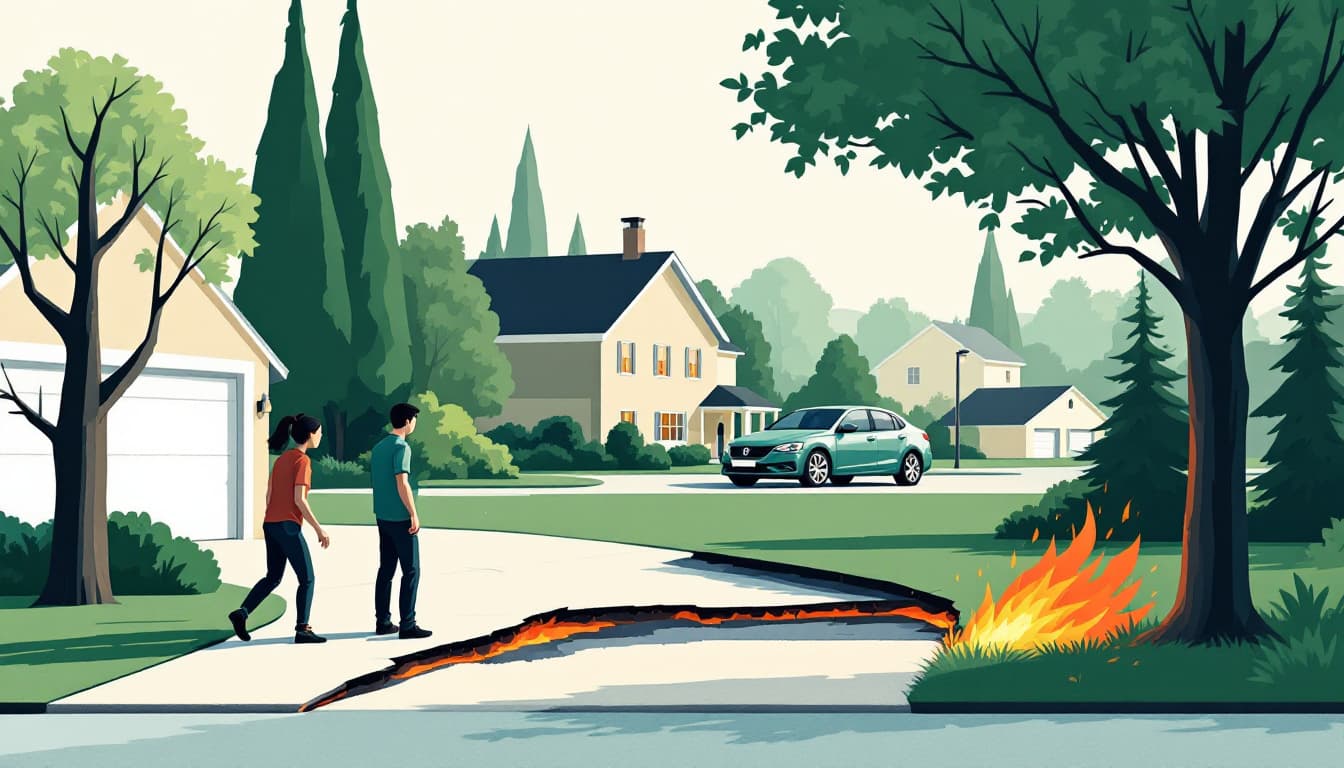
A report this week from kboi.com details a destructive wildfire burning across North Texas that has destroyed 167 structures as extreme heat grips the region. The fire, unfolding in the densely populated and wind-prone corridor of North Texas, is one of the more significant wildland-urban interface events the state has recorded in recent years, compounding an already brutal late-summer heat siege across the Southern Plains.
Texas A&M Forest Service, the state agency responsible for wildfire suppression outside municipal boundaries, has been coordinating response efforts. The agency routinely mobilizes air assets and ground crews during Red Flag conditions — the combination of low humidity, high temperatures, and sustained winds that characterized the days leading up to this fire. North Texas, which encompasses the Dallas–Fort Worth Metroplex and the rolling, drought-prone grasslands stretching toward the Panhandle, has seen its fire risk amplified by multi-year drought conditions tracked by the U.S. Drought Monitor and the Texas Water Development Board.
For readers tracking infrastructure resilience, the intersection of wildfire smoke, extreme heat, and elevated electricity demand creates a distinctive stress signature on the Electric Reliability Council of Texas (ERCOT) grid. During events like this one — where air conditioning loads surge simultaneously with smoke-driven reductions in solar generation output — the grid operates with compressed reserve margins. Texas's airshed does not respect county lines; smoke from North Texas fires regularly degrades air quality indexes across a broad swath of the state, affecting communities well outside the direct burn perimeter. Water systems in smaller municipalities in the affected counties can also face pressure when fire suppression draws heavily on municipal supply, a factor the Texas Commission on Environmental Quality monitors during declared disaster events. The Middle Class Prepper review of home air filtration options touches on the equipment relevant to prolonged smoke exposure for households in affected airsheds.