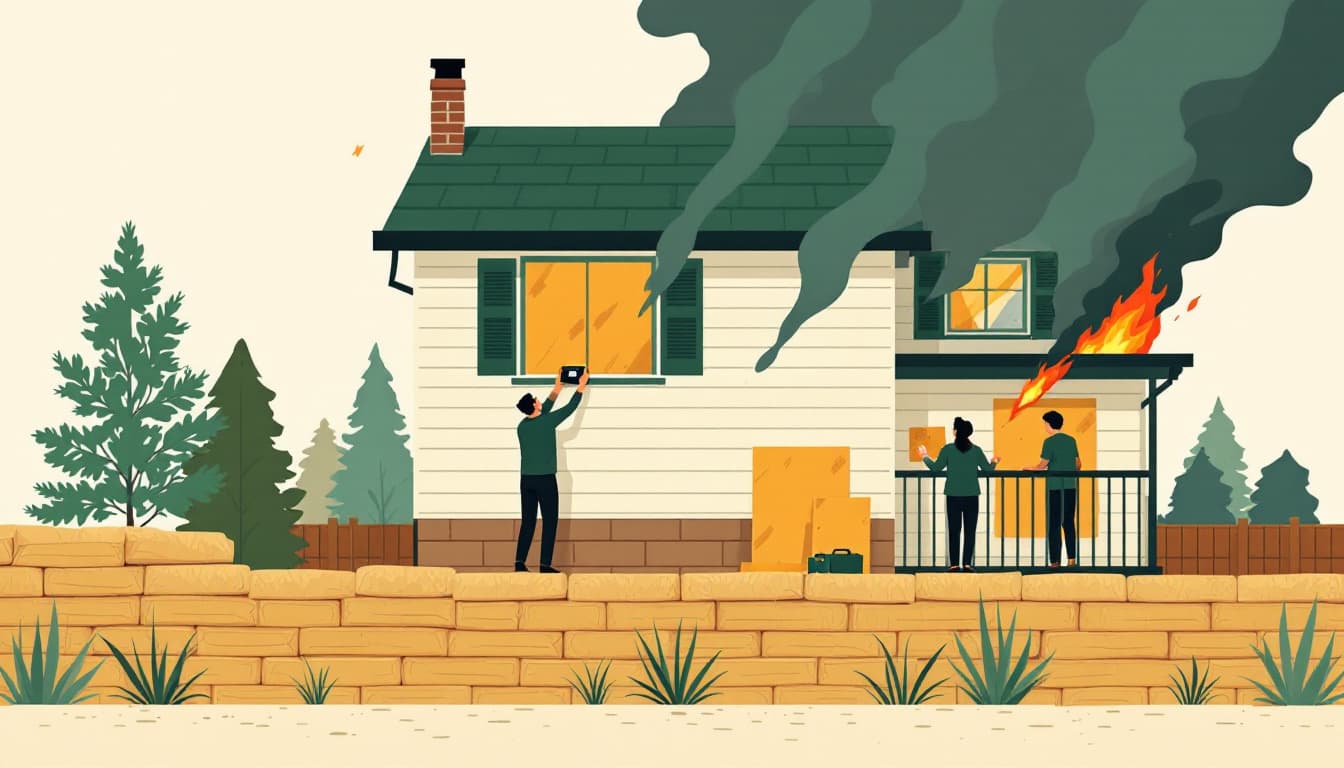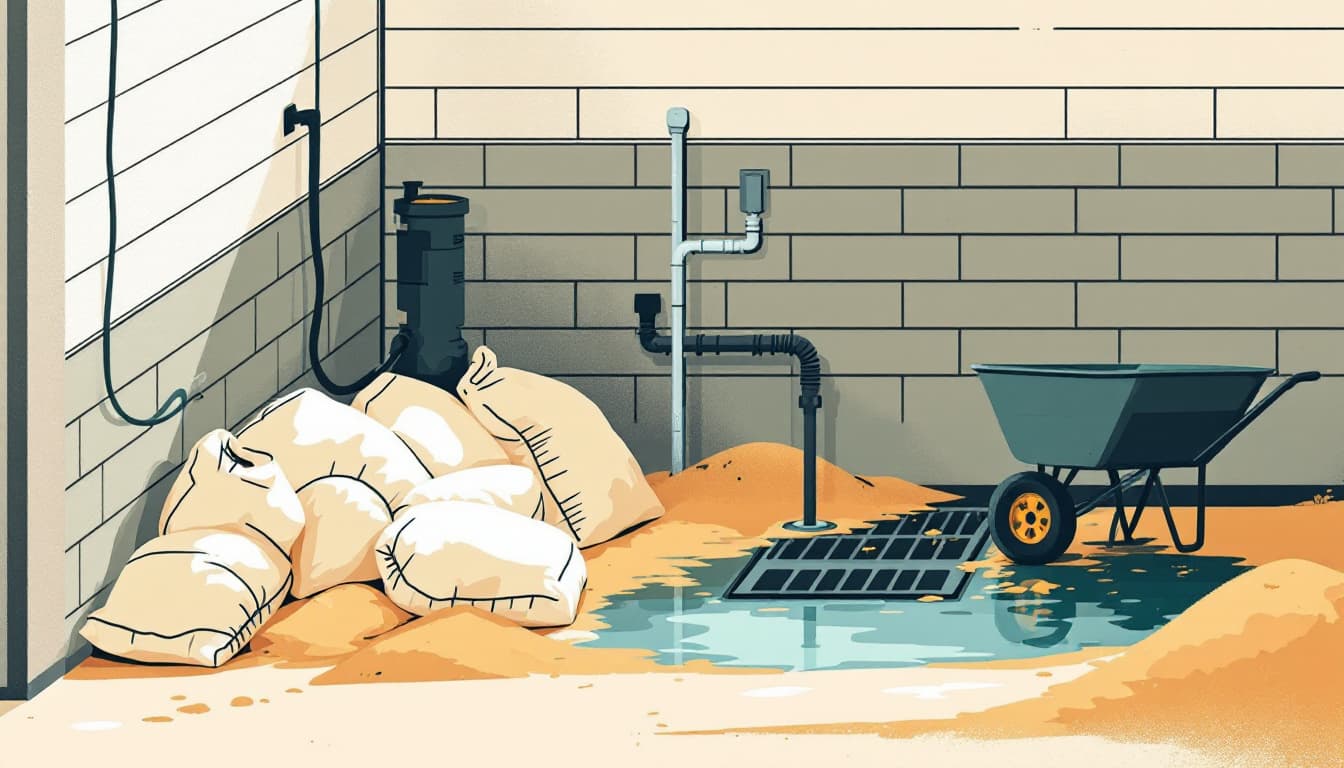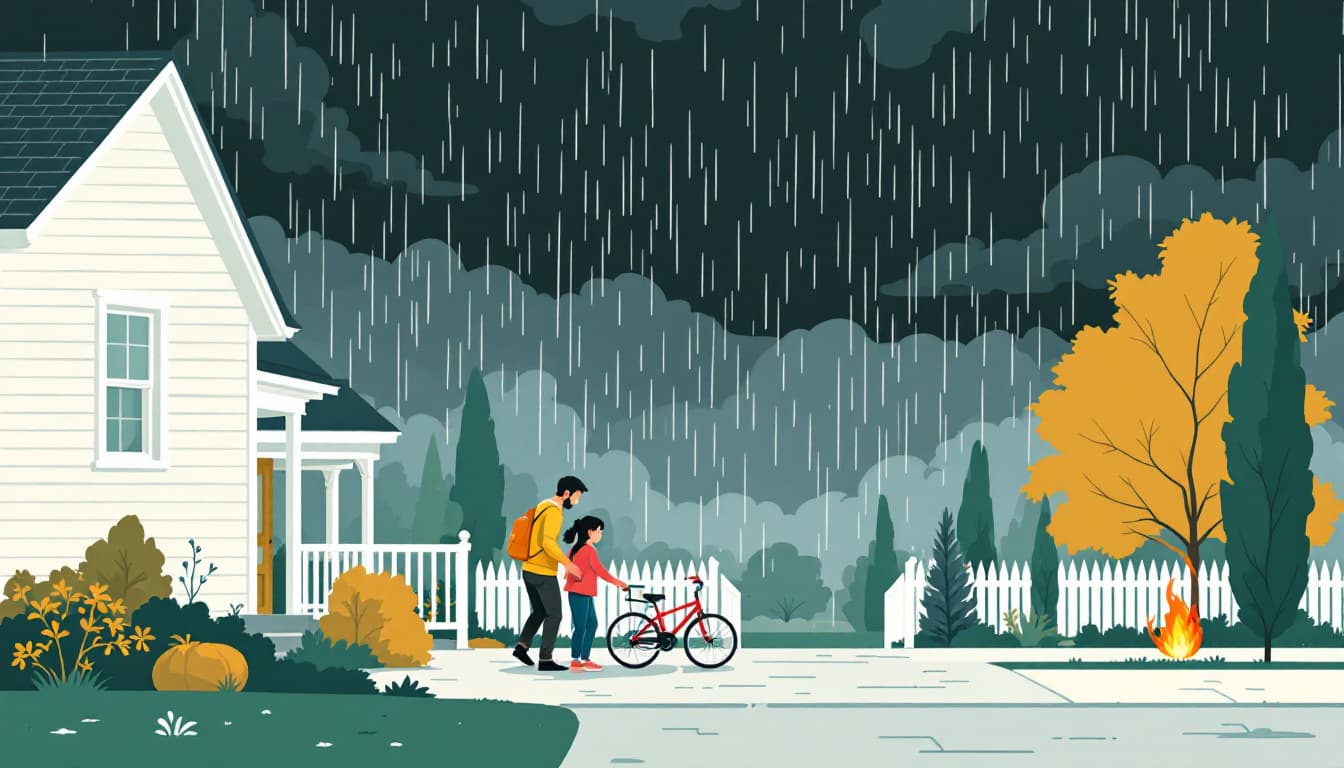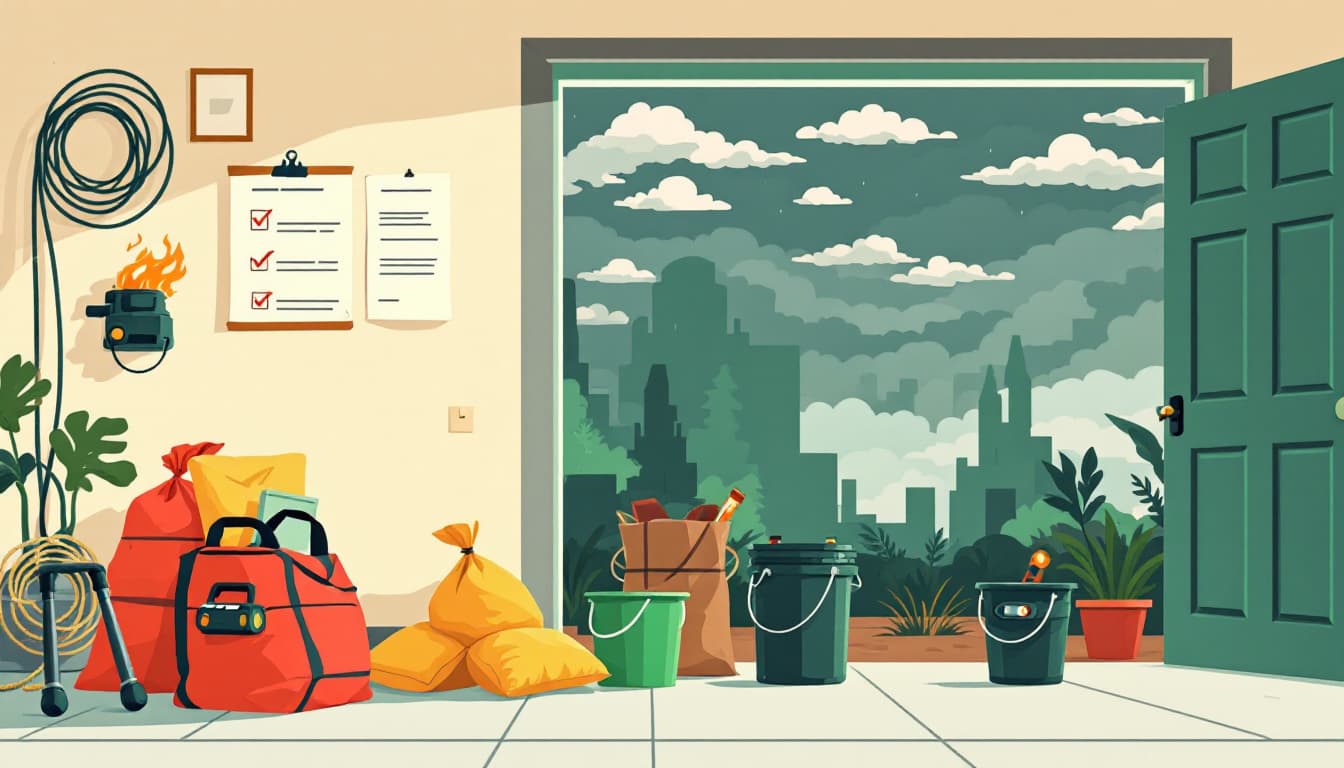
A CBS News report on Friday morning flagged storms moving through North Texas, with the specific concern being strong winds and potential flooding. If you watched the radar that day, you already know how fast those cells moved. If you did not, here is the part the weather segment does not cover: what your household should actually have in place before the next one arrives.
North Texas is not a passive storm environment. The DFW Metroplex sits in a corridor where Gulf moisture collides with drier air from the west, producing fast-developing thunderstorms that can drop several inches of rain in under an hour. Flooding in this region tends to surprise people not because the warnings are absent but because the water moves before most families have time to react.
What is actually changing
The pattern is not new, but the exposure is. As the Metroplex has expanded outward into Collin, Denton, and Tarrant counties, more households now sit on streets and in subdivisions built on fill or near drainage channels that were not designed for the development density that followed. The National Weather Service Fort Worth office issues Flash Flood Watches at a rate that has become background noise for most residents. That normalization is the real hazard.
Insurance is the other piece. Flood damage to a home in Texas is almost never covered under a standard homeowner's policy. The National Flood Insurance Program (NFIP) is a separate purchase, and there is a 30-day waiting period before coverage activates. Buying a policy the week a storm system forms does nothing.
What we would actually do
Check your flood zone status this weekend. Go to the FEMA Flood Map Service Center and look up your address. Many North Texas properties that flooded in recent years were not in a mapped Special Flood Hazard Area. Your neighbors being in Zone X does not mean you are safe; it means you have not been mapped as high-risk, which is a different thing.
If your home is in Zone AE or AO, you are already in a federally designated high-risk area, and if you have a mortgage, lenders are required to notify you about flood insurance. If you are renting, your landlord's policy covers the structure, not your belongings.
Build a 72-hour go-bag that accounts for water, not just power. Most Texas preparedness advice focuses on winter outages after the February 2021 grid failure. Flooding presents a different exit scenario. Your go-bag should include waterproof bags or a dry bag for documents, a battery-powered weather radio (the NWR transmitter for DFW is WXL58 out of Fort Worth), and footwear you can actually walk in through standing water.
Know your two exits. Identify the two routes out of your neighborhood that do not cross low-water crossings or dip underpasses. Texas low-water crossings are the leading cause of flood-related vehicle deaths in the state, and the danger is real at deceptively shallow depths. Turn-around-don't-drown is not a slogan; it is a calibrated risk assessment. Six inches of moving water can knock an adult off their feet. Two feet can sweep away most passenger vehicles.
Photograph your belongings now. Before any claims conversation can happen, adjusters need evidence of what you had. A 15-minute walkthrough video stored in cloud backup costs nothing and can make a four-figure difference in a contents claim. Do it once, update it annually.
Have at least three days of drinking water stored. A major flood event can compromise municipal water systems or make roads impassable long enough to matter. One gallon per person per day is the standard guidance. For a family of four, that means 12 gallons — roughly $15 worth of store-brand water jugs — staged somewhere accessible but above floor level.
The bigger picture
Severe weather in Texas is not a black-swan event; it is a recurring operational condition. The goal of household preparedness here is not to survive some imagined collapse. It is to stay out of the emergency room, keep your car out of a flooded underpass, and not spend six months fighting an insurance claim for losses that were preventable. Durability over drama. Get the basics in order before Friday turns into a worse Friday.