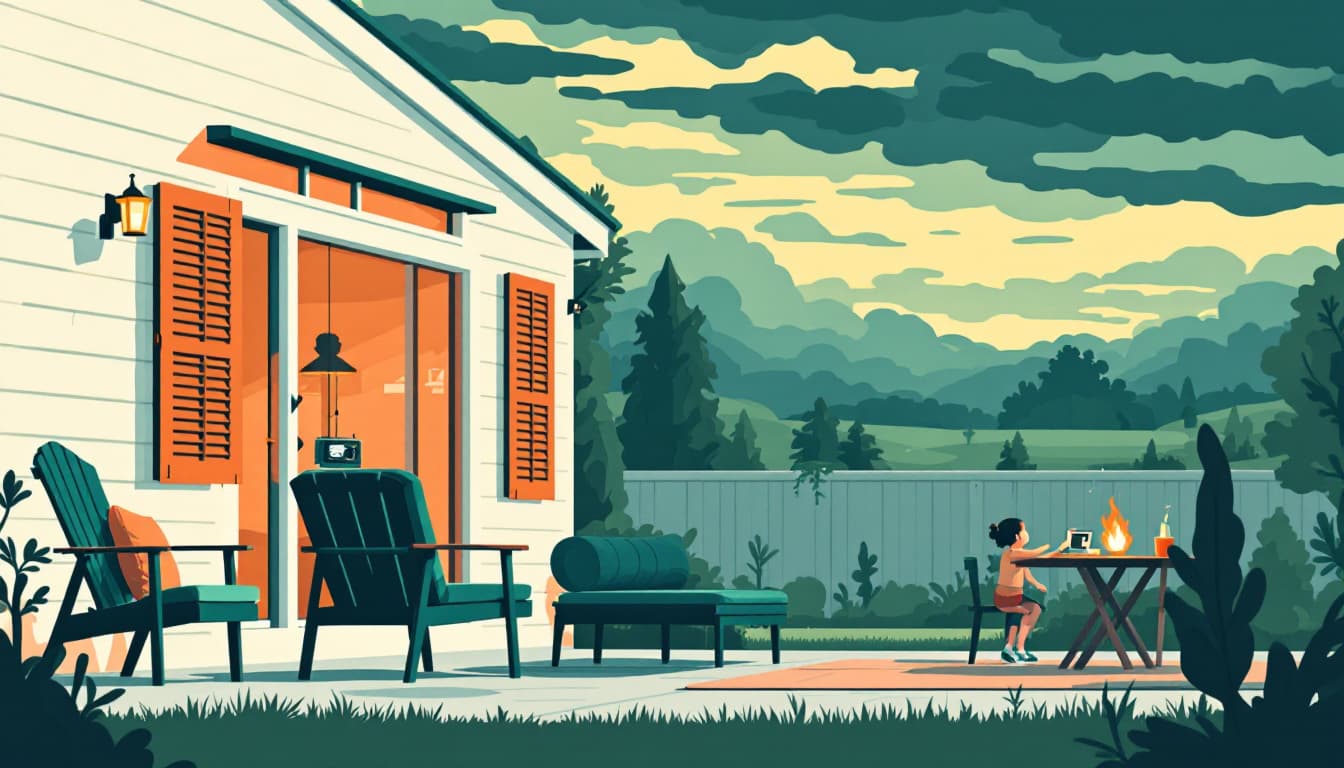
On a July afternoon in the Dallas–Fort Worth Metroplex, the thermometer reads 105°F and the sky to the west goes green. That is not a hypothetical. A report this week from FOX 4 News Dallas-Fort Worth describes exactly that setup: extreme heat baking North Texas while pop-up severe storms are threaded into the same forecast window.
The preparedness problem here is that heat and severe storms usually demand opposite responses. Heat tells you to stay inside, seal out hot air, and run the AC. A tornado or damaging-wind event tells you to open interior doors, shelter low, and possibly lose power. When both arrive on the same day — sometimes within hours of each other — the standard checklist fails you.
What's actually happening
North Texas sits in a geography that makes this overlap routine in July. The heat dome that builds over the southern plains suppresses storm activity for days, then a dryline or outflow boundary from a distant system can punch through and trigger fast-developing supercells. The National Weather Service office in Fort Worth issues heat advisories and severe thunderstorm watches in the same afternoon with some regularity this time of year. That is not unusual meteorology. What matters for households is that the power grid faces two simultaneous stressors: elevated baseline load from air conditioning, and potential physical damage from wind, hail, or lightning strikes.
ERCOT's grid has added significant generation capacity since the 2021 February freeze, but summer peak demand — not winter cold — is the system's primary stress test. A widespread severe weather event knocking out distribution infrastructure while demand is at or near record levels is a plausible scenario, not a catastrophe fantasy. If your neighborhood loses power at 4 p.m. when it's 104°F outside, the heat-emergency clock starts immediately.
What we'd actually do
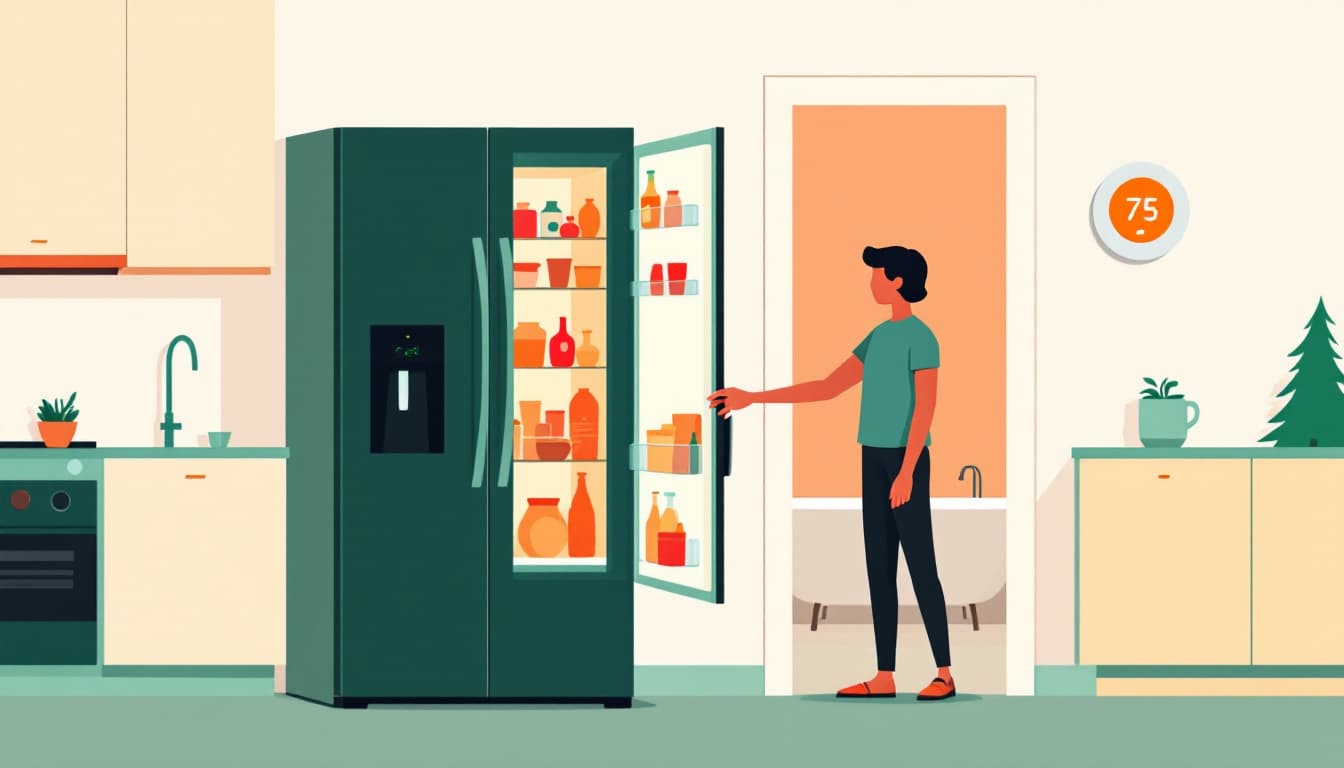
Locate your nearest cooling center now, before you need it. Most North Texas counties publish lists through their emergency management offices — Dallas County, Tarrant County, and Denton County all maintain them and update them seasonally. The moment your power goes out in extreme heat is the wrong time to search for an address. Write one down and put it on the refrigerator.
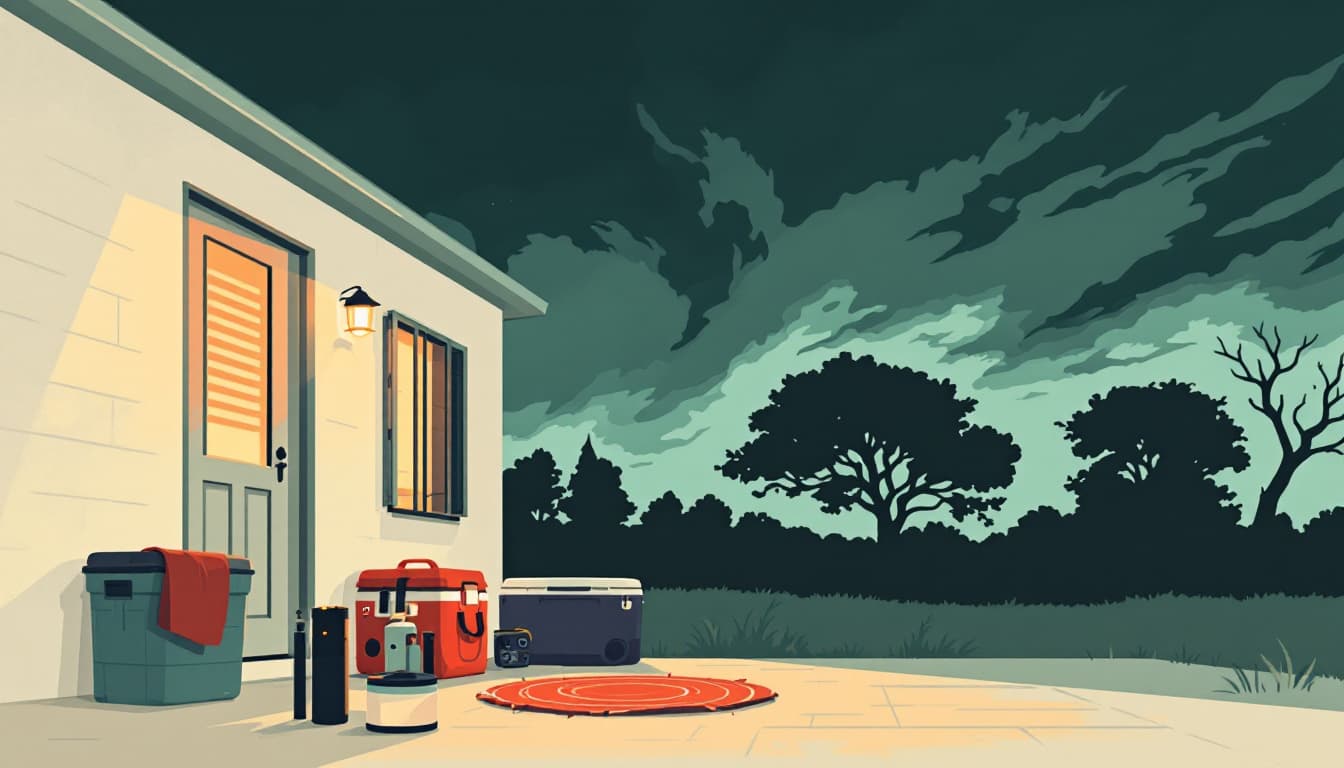
Charge everything tonight and keep it charged through the week. Phones, battery banks, and medical devices all drain faster when you're using them for flashlights and emergency alerts. A modestly priced 20,000 mAh power bank can keep two smartphones running for two days. That's a $25–35 purchase, not a bunker investment. If you have medical equipment that requires power — CPAP, nebulizers, insulin refrigeration — contact your provider now about a backup plan; most have protocols for declared weather emergencies.
Put three gallons of water per person in a cool, accessible place this week. Not because a storm is coming, but because if the grid goes down and you need to shelter in place, dehydration compounds heat stress within hours. Three gallons gives a single adult roughly three days of drinking and basic hygiene water. A family of four needs twelve gallons minimum. This costs under $10 at any H-E-B or Walmart and takes ten minutes to set up.
Test your window screens and door seals before the next storm warning. After a severe storm, you'll want to open windows to cool the house if power is out. Screens with gaps or tears let in mosquitoes carrying West Nile virus, which is already circulating in North Texas in summer. A $6 screen repair kit is not dramatic. It's practical.
Identify one interior room that's both storm-safe and the coolest spot in the house. For most Texas homes this is a bathroom or closet near the building's center. Know it. Walk your household through it this week. If a tornado watch is issued while you're managing heat, you don't want to be debating floor plans.
The bigger picture
Texas summers have always been serious. What changes is the frequency of days above 100°F and the increasing complexity of combined weather events landing on infrastructure that wasn't designed for them. That doesn't require panic. It requires the same thing durable households have always needed: a short list of genuinely useful preparations made before the emergency, not during it.
The goal isn't to survive a catastrophe. It's to make a bad week manageable enough that your family stays healthy, functional, and calm while the grid catches up.