A CBS News report this week put North Texas on notice: feels-like temperatures well over 100°F are moving through the region, with heat indices in some areas pushing past 110°F. The number gets the headline. What doesn't is the quiet sequence of failures that starts inside the house when that heat holds for days.
What actually breaks during a sustained Texas heat event
The acute risk is heat illness — heatstroke kills faster than almost any other weather event, and it kills disproportionately in homes where the air conditioning has already failed or where the occupant didn't notice it was failing. But the infrastructure story runs parallel.
ERCOT, the grid operator for most of Texas, has issued conservation appeals during recent summer peaks. The grid has added capacity since the February 2021 freeze, but high-demand summer afternoons remain the stress case. A rolling outage during a heat dome is a different emergency than a winter blackout — your window to act before a home becomes dangerous is measured in hours, not days.
HVAC units are also running at or past their design limits during these events. A system that cycles normally in May will work continuously at 110°F heat index, and units that haven't had refrigerant checked or filters replaced are the ones that quit in week two of July. The Texas State Energy Conservation Office notes that HVAC accounts for the majority of summer electricity load in a typical Texas household — meaning a struggling unit is both a health risk and a bill spike arriving simultaneously.
Water matters too. Municipal water systems under heat stress can issue boil notices with little warning, particularly in smaller North Texas municipalities where infrastructure is older. That's a secondary problem most households aren't staged for.
What we'd actually do
Check your HVAC filter and thermostat battery this week, not next week. A clogged filter forces the blower to work harder, raises indoor temperatures, and can trip a safety shutoff at the worst possible time. Replace any filter that's more than 60 days old. While you're at it, swap the thermostat battery — a dead battery during a heat event means a hot house and no obvious reason why.
Fill a 5-gallon water jug and put it somewhere cool before a potential outage. If the grid goes and your well pump loses power, or if a boil notice hits your municipality, you want water already staged. Five gallons per person per day is the standard emergency figure. This is a 15-minute task. The North Texas Municipal Water District serves much of the Dallas-Fort Worth collar counties — if you're in their service area, sign up for their alert system now so a notice reaches you before your tap does.
Identify your nearest public cooling center before you need one. Dallas County, Tarrant County, and most major North Texas municipalities open cooling centers during heat emergencies, usually at libraries and community centers. The address you need at 4 p.m. on a Tuesday when your AC has just failed is not the address you want to be Googling at that moment. Find it today, write it down, and make sure anyone in your household who might be home alone has it too.
Stage a battery-powered fan and a manual thermometer inside your home. A battery fan won't cool a room below ambient — at 110°F heat index, it is not a substitute for AC. What it does is make the difference between manageable and dangerous in the first hour after power loss while you make decisions. A simple indoor thermometer tells you when the interior has crossed 90°F, which is the threshold at which vulnerable family members — elderly parents, infants, anyone on diuretics or beta-blockers — need to leave for a cooler environment.
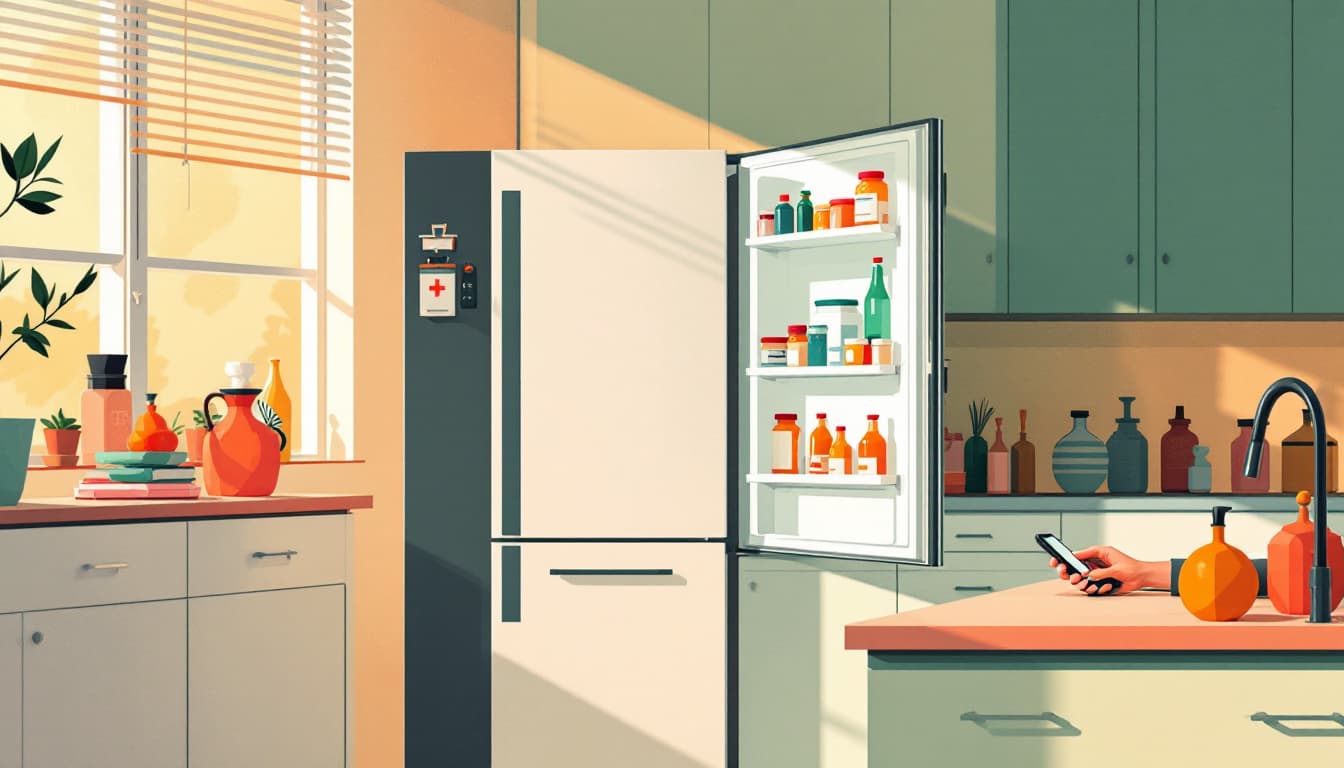
Know your household's medical heat-risk profile. Several common medications impair the body's ability to regulate temperature: antihistamines, antihypertensives, antipsychotics, and diuretics all appear on that list. If anyone in your household takes a daily medication, a five-minute conversation with a pharmacist about heat interaction is worth having before July turns into August.
The bigger picture
Texas heat is not a surprise. What changes with events like this week's North Texas forecast is the margin — the gap between a manageable hot day and a dangerous one narrows when the overnight low stays above 80°F and the body never fully recovers. The goal of preparedness here isn't a bunker or a generator that runs a whole house. It's the boring stuff: a working filter, a jug of water, a written address. The households that come through heat events intact are almost never the ones with the most gear. They're the ones who made three small decisions before the heat index hit 108.