North Carolina's Division of Public Health designated this week as Heat Safety Week, a signal covered by MSN and worth more than a passing glance. The state isn't doing this arbitrarily. Heat is the leading weather-related cause of death in the United States — not hurricanes, not tornadoes — and North Carolina's combination of high humidity, urban heat islands in Charlotte and the Triangle, and a large outdoor-labor workforce puts it squarely in the risk window.
What's actually changing
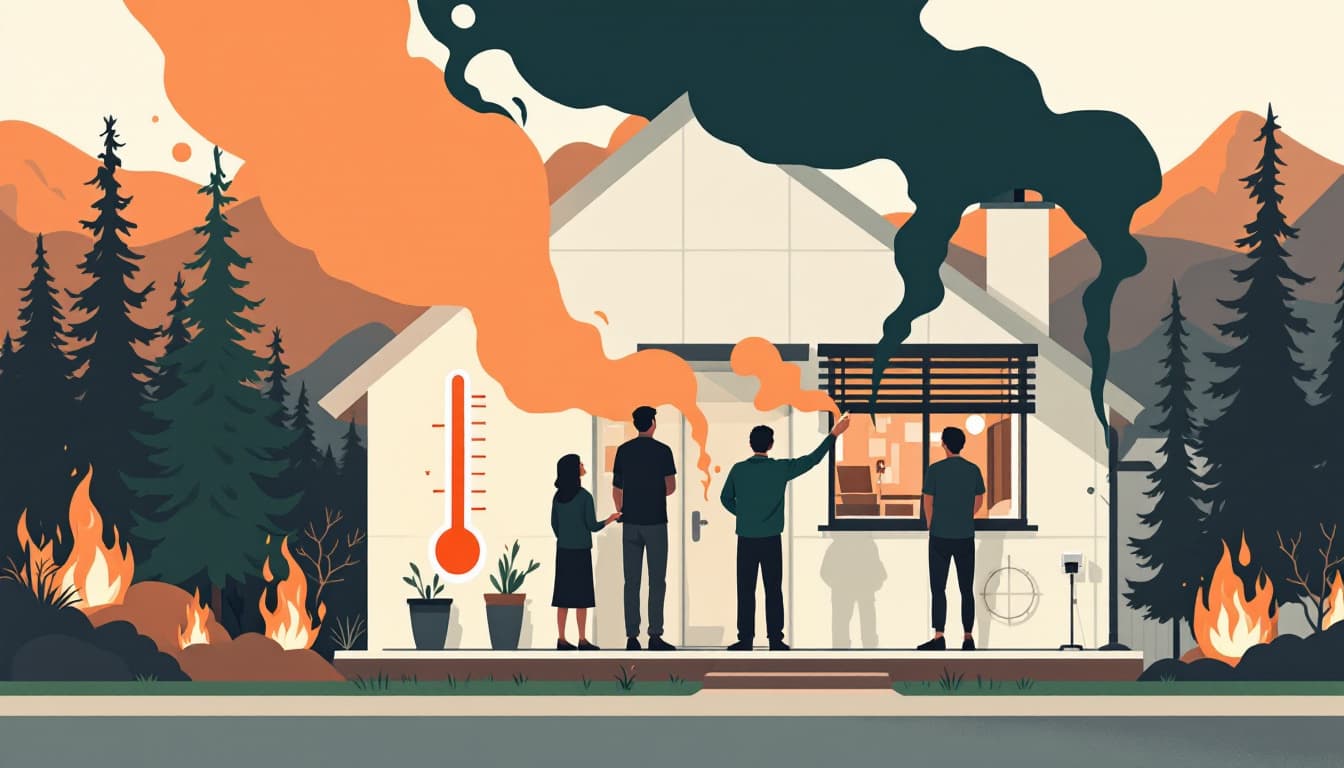
The designation itself isn't new. What's changed is the baseline. North Carolina has seen measurable increases in the number of days per summer where the heat index clears 100°F across the Piedmont and coastal plain. Humidity is the multiplier that makes heat dangerous: at 95°F with 70% relative humidity, the heat index can exceed 115°F. At that level, outdoor exertion becomes dangerous within an hour for people without heat acclimatization.
Three groups carry the highest risk in North Carolina specifically: outdoor agricultural workers in the eastern counties (the state is among the top tobacco and sweet potato producers in the country), older adults in homes without central air conditioning in rural Appalachian foothills, and children in cars or on athletic fields during afternoon peak heat hours (typically 2–6 p.m. in summer).
Power is also part of this picture. Extended heat events stress the grid, and grid stress can mean rolling outages — or simply brownouts that compromise your window unit when you need it most. North Carolina's grid operator, Duke Energy Carolinas and Duke Energy Progress, has historically managed summer peaks, but a multi-day heat dome event is a stress test for any system.
The preparedness angle most households miss: heat emergencies rarely announce themselves with a dramatic single event. They accumulate. Day three of a heat dome is far more dangerous than day one, because bodies don't fully recover overnight when nighttime temps stay above 80°F.
What we'd actually do
Map your household's actual heat vulnerabilities this week, before it gets hot. Walk through your home on a hot afternoon and find out which rooms are genuinely livable without AC and which become dangerous. Identify which family members — elderly parents, infants, anyone on diuretics or beta-blockers, anyone working outside — face elevated physiological risk. Write this down. A list made in May is more useful than a memory in August.
Establish a cooling location that isn't your house. North Carolina's county emergency management offices and local libraries maintain cooling center lists every summer. Find your county's list now — not during an outage. For Mecklenburg, Wake, Forsyth, and Guilford counties, those lists are typically posted on county emergency management websites before Memorial Day. If you're in a rural county, call the county health department and ask directly; rural areas are underserved by cooling center infrastructure.
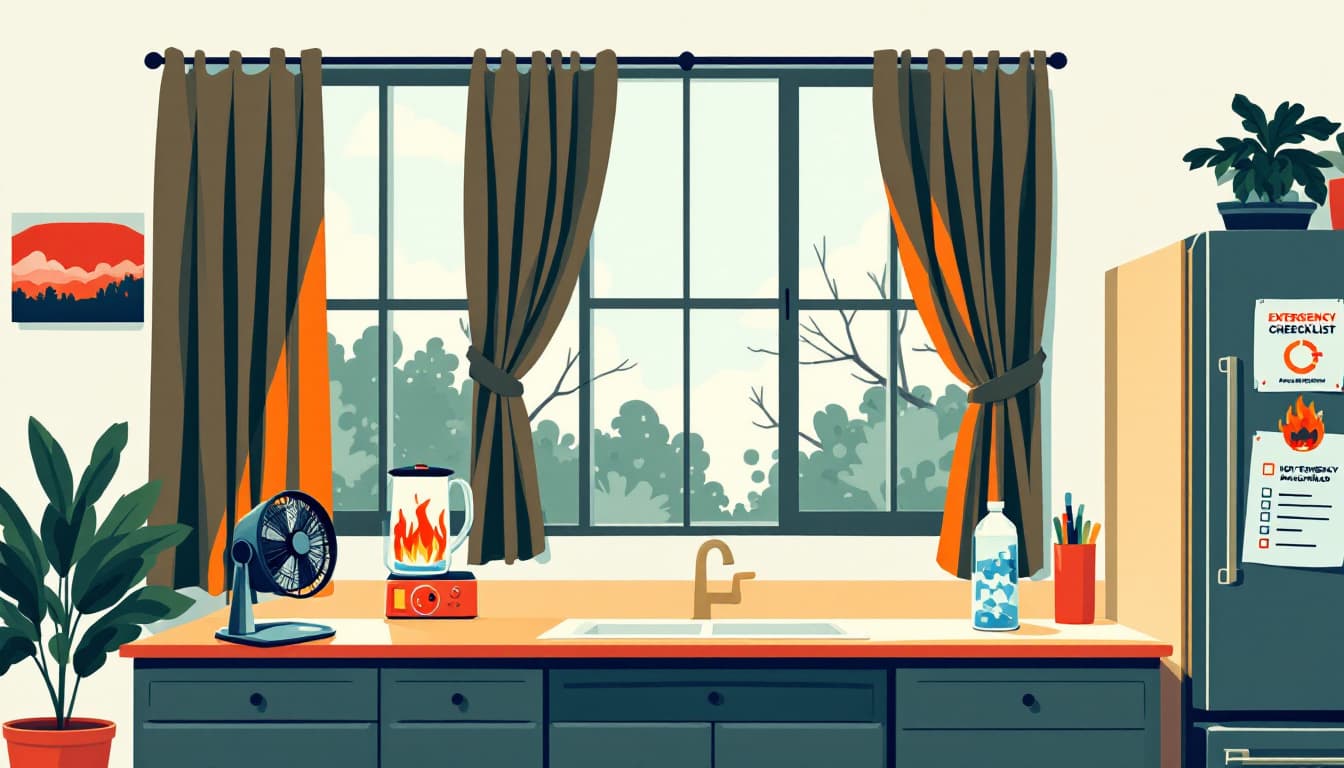
Audit your window units and fans before the first heat advisory. A window AC unit that's been in storage since September may have a clogged filter, a refrigerant issue, or a failing capacitor that won't show itself until the first 95°F day. Run every unit for 30 minutes this week. Clean or replace filters. If a unit struggles to cool a room it handled fine last year, schedule service now, not in July when HVAC companies have three-week backlogs.
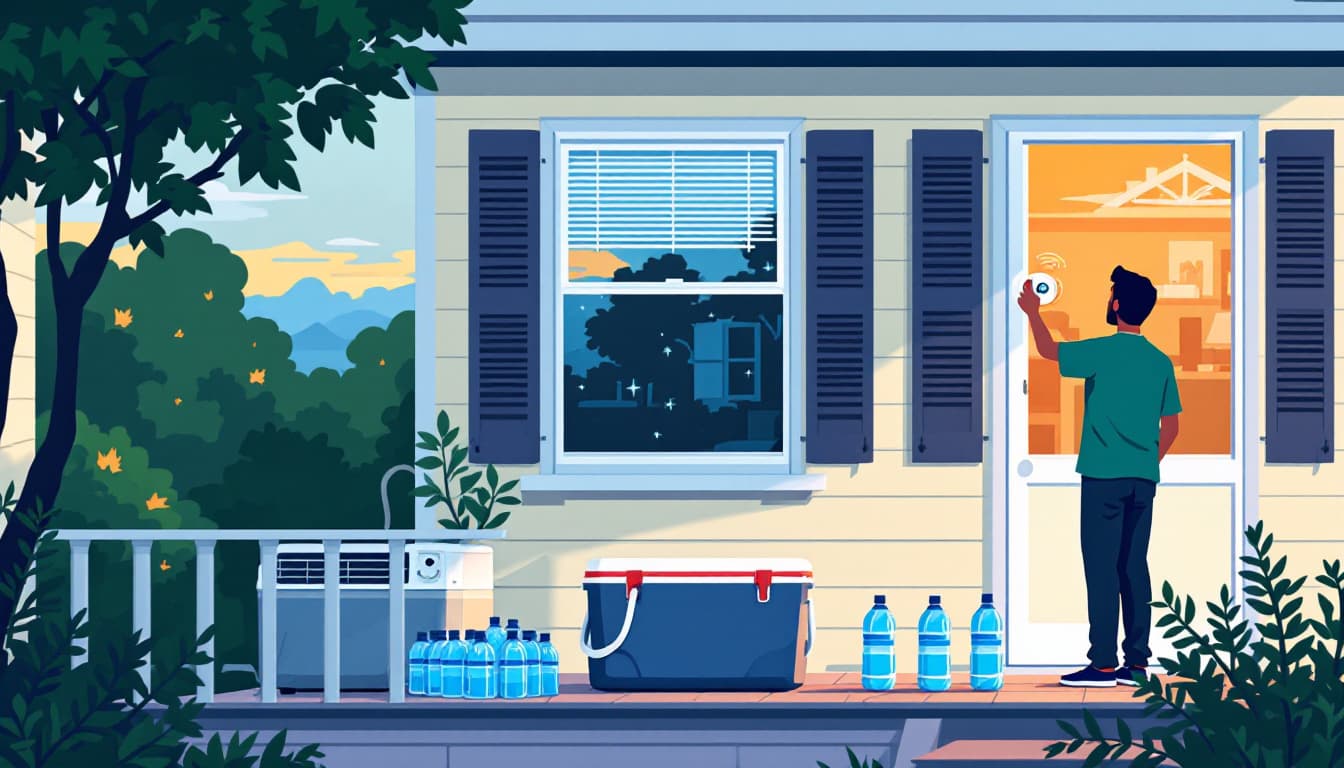
Build a 72-hour no-power heat plan. This is different from a general power-outage plan. It needs to include: which neighbor or family member's home becomes your fallback if your grid goes down for more than 12 hours, how you'll keep medications that require refrigeration viable (a small cooler and ice timeline), and what time of day you'll do any physical tasks (early morning, before 10 a.m., is the practical window). Write the plan on paper, not just in your phone, because phones need charging.
Know the difference between heat exhaustion and heat stroke. Heat exhaustion (heavy sweating, weakness, cool/clammy skin, nausea) is treatable at home: move to a cool location, hydrate with water or electrolyte fluid, rest. Heat stroke (hot/dry skin, confusion, loss of consciousness, temperature above 104°F) is a 911 call. North Carolina families should brief every household member on this distinction — it's a 90-second conversation that has a real chance of saving a life.
The bigger picture
Heat Safety Week is a bureaucratic mechanism, and bureaucratic mechanisms are easy to scroll past. But it reflects a real and durable shift in what summer means in North Carolina. The goal of preparedness isn't to survive a catastrophe — it's to make sure a bad week doesn't become a crisis because you weren't paying attention in May.
Durability looks like knowing where your cooling center is before you need it. It looks like an AC unit that actually works on day one of a heat advisory. It looks like a household that's talked through what happens if the power goes out for 36 hours in August.
None of this requires a bunker or a survival kit. It requires about two hours of attention, right now, while the weather is still cooperative.