The U.S. Drought Monitor map doesn't use the word "extreme" casually. It's the second-most severe category on a five-level scale, sitting just below "exceptional." A report this week from Coastal Review notes that much of North Carolina has reached that designation, covering a broad swath of the state and putting pressure on everything from municipal reservoirs to private wells to pasture land.
This is not a weather curiosity. Drought at this level has compounding effects that show up in household life over weeks and months, not all at once.
What's actually changing
Extreme drought in North Carolina typically hits three pressure points for households: water supply, food costs, and fire risk.
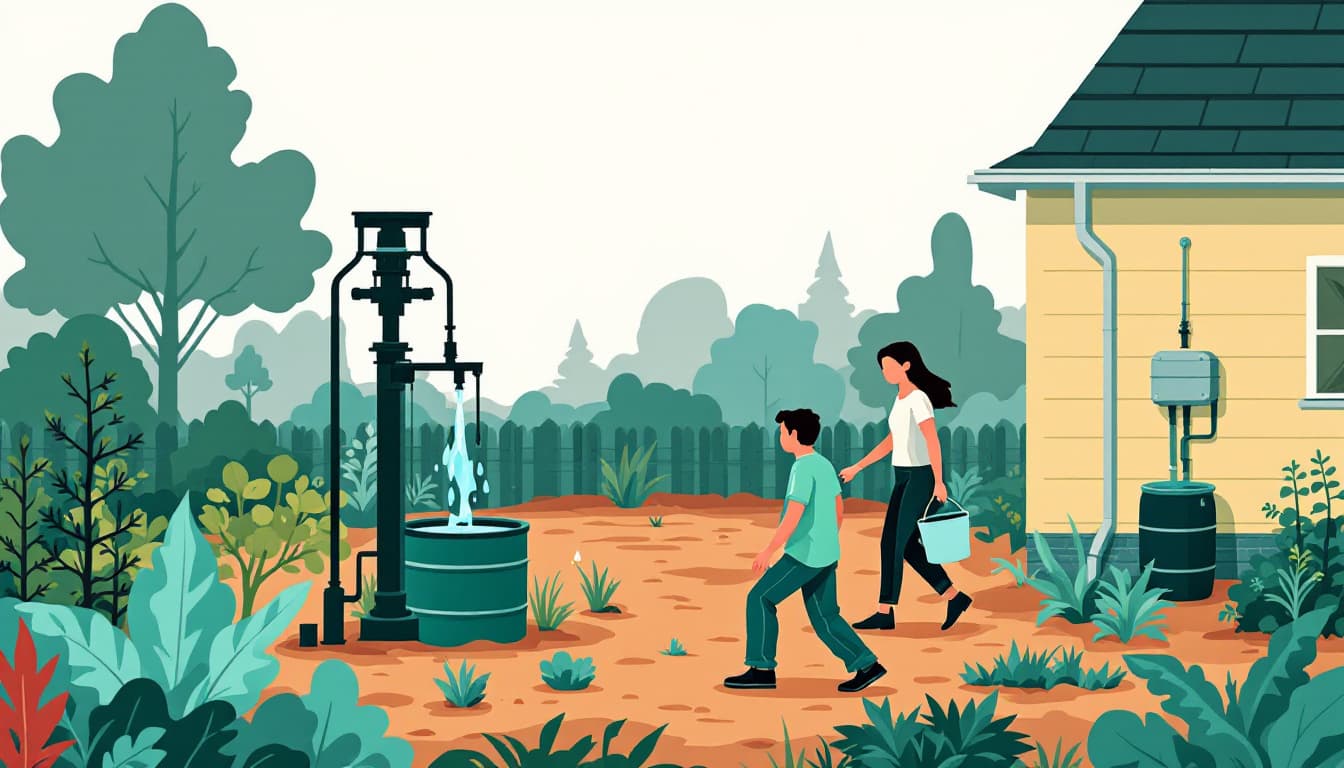
Water supply. Roughly one in three North Carolina households uses a private well. Unlike municipal systems, private wells have no regulatory buffer — when the water table drops, output drops with it, sometimes to zero. Shallow wells, common in the coastal plain and foothills, are the first to show stress. Deeper bored wells in the Piedmont have more resilience but are not immune during multi-month dry periods. The NC Department of Environmental Quality has a drought response page that tracks county-level conditions; it's worth bookmarking now if you haven't.
Food costs. North Carolina ranks among the top agricultural states in the Southeast. Drought stress on corn, soybeans, sweet potatoes, and tobacco translates to price pressure at the retail level over the following one to two growing seasons. This isn't speculation — it's the standard transmission mechanism from field to grocery shelf. Families who buy seasonal produce locally, or who grow their own, feel it faster.
Wildfire risk. Drought-dried vegetation and low humidity create conditions that North Carolina's Forest Service monitors closely. The western mountains and the sandhills region both carry elevated fire risk during prolonged dry periods. This matters even for households not near forests — smoke events affect air quality across broad areas.
What we'd actually do
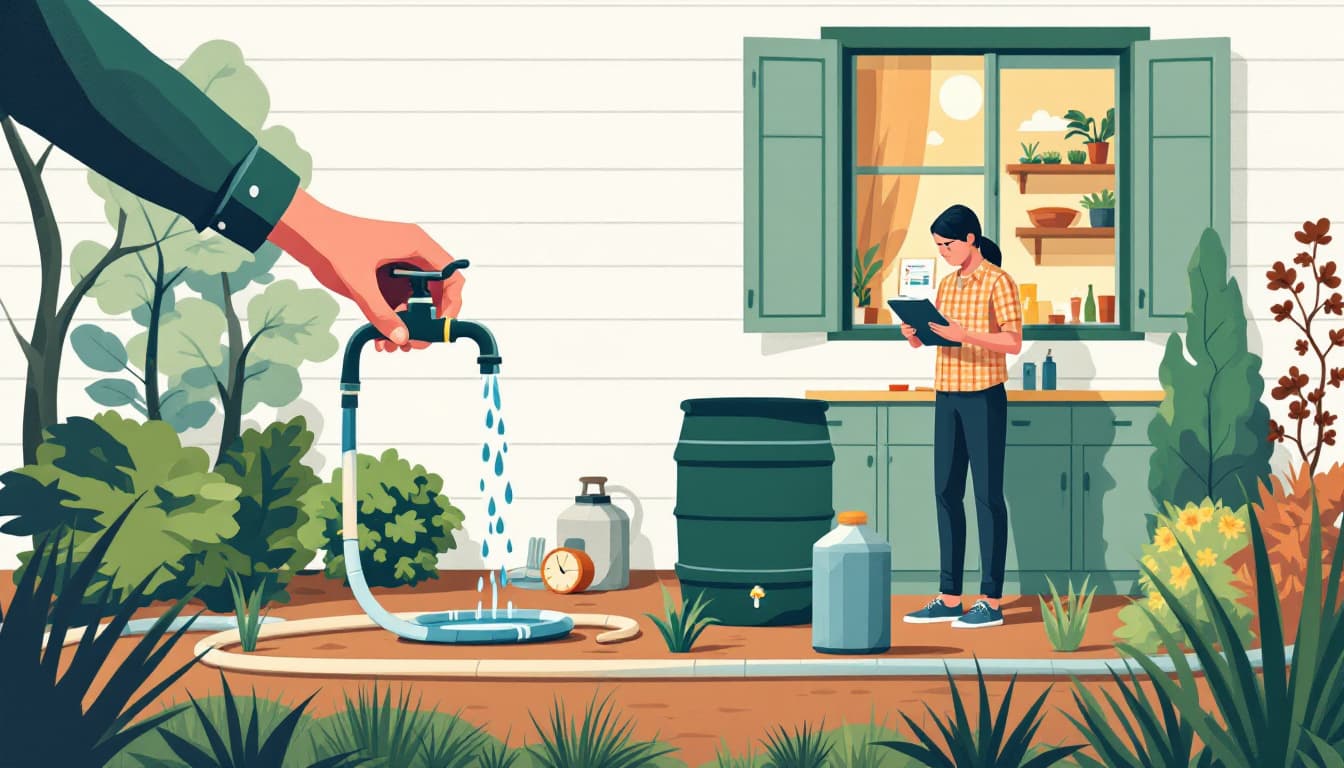
Get a baseline reading on your water source this week. If you're on a private well, record what your pressure tank sounds like and how quickly water recovers after a long shower. That's your baseline. If recovery time lengthens noticeably over the next few weeks, you're watching the water table drop in real time. Municipal customers should check whether their utility has issued any voluntary or mandatory conservation notices — several NC municipalities have done so in past drought years, and that list tends to grow quietly.
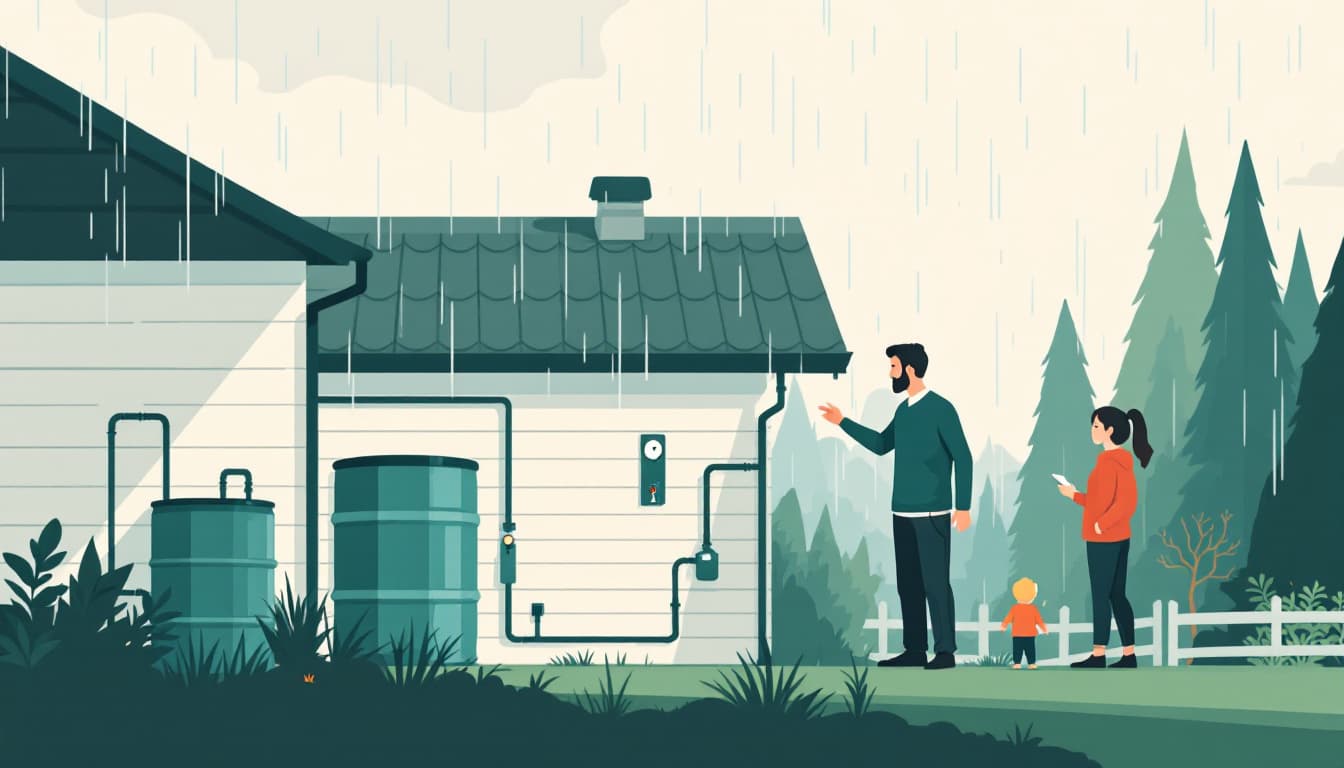
Store a meaningful water reserve before you need it. Not a symbolic two-liter bottle. A reasonable household target is one gallon per person per day for two weeks. That's 14 gallons per person — achievable with food-grade five-gallon containers from any hardware store for roughly $5 each. Fill them now, rotate every six months. This doesn't require a bunker mindset; it requires forty minutes and thirty dollars.
Adjust your garden watering now, not after the soil cracks. Drip irrigation or soaker hoses use roughly half the water of overhead sprinklers and deliver it where plant roots actually are. If you're growing food — and many NC households have expanded kitchen gardens over the past few years — now is the time to mulch heavily and water at dawn. You'll preserve yield and reduce draw on your well or your municipal bill simultaneously.
Check your homeowner's or renter's policy for drought-related exclusions. Most standard policies do not cover well failure, and almost none cover drought-related crop or garden loss. Knowing what you're not covered for is not defeatist — it's the basis for deciding whether a rider or a reserve fund makes sense for your situation.
Watch the NC Forest Service's fire danger rating for your county. When the rating reaches "very high" or "extreme," burning permits are typically suspended and outdoor burning restrictions take effect. Families who heat with wood or manage rural land should know this calendar and plan accordingly.
The bigger picture
Drought in North Carolina is not new — the state has cycled through significant dry periods roughly once a decade for as long as records exist. What changes the household calculus is duration and coverage. When drought is narrow and brief, municipal systems and agricultural markets absorb most of the impact. When it covers most of the state and extends across multiple months, the effects reach further into ordinary household life.
The goal isn't to prepare for collapse. It's to reduce your household's dependence on systems that are already under stress, before that stress reaches your tap, your grocery bill, or your insurance claim. A few weeks of attention now costs very little. Discovering your well has gone dry in late July costs considerably more.