A hot, still Father's Day in central North Carolina is not just uncomfortable weather. It is a setup. When the Piedmont bakes for a day or two and humidity stacks up, the atmosphere loads energy that has to go somewhere. CBS17.com reported this weekend that Monday carries a meaningful severe storm risk for the region — and that pattern, heat followed by a sharp line of storms, is the most common way North Carolina households lose power in June.
This is not a rare event. It is a recurring summer cycle. The useful question is not whether another storm is coming, but whether your household is ready for the version that knocks out power for 36 to 72 hours in late June heat.
What's actually changing
The specific concern with summer storm outages in the Piedmont and surrounding areas is not the storm itself. It's the compounding effect of heat on a household that has lost power. Losing electricity in February is inconvenient. Losing it in late June, when outdoor temperatures stay above 80°F overnight, creates a genuine health risk — especially for households with young children, elderly family members, or anyone on medications requiring refrigeration.
Duke Energy and Dominion Energy North Carolina together serve most of the state's population, and both have published restoration timelines showing that after a significant wind event, some customers can wait three to five days. The Triangle, Charlotte metro, and Triad areas all sit in terrain that funnels storm lines efficiently and takes down distribution lines in ways that are slow to repair.
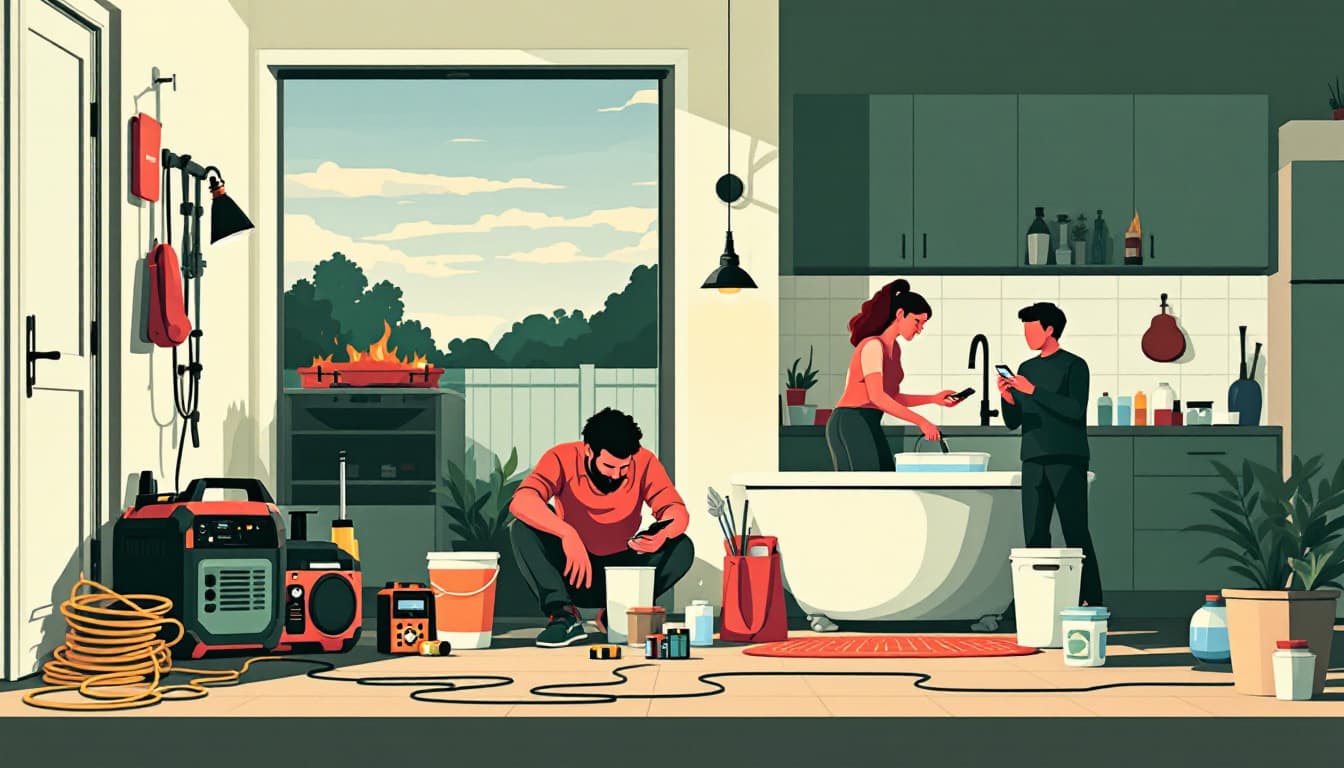
The other underappreciated variable: summer storms hit when people are out. A Father's Day weekend storm arriving Monday catches households mid-activity — windows open, cars in driveways, propane grills out, extension cords running to outdoor speakers. The physical risk from the storm itself, not just the aftermath, is real.
What we'd actually do
Check your utility's outage map and sign up for text alerts today. Duke Energy and Dominion NC both offer text and email outage notifications — most households have not activated them. This takes four minutes. Knowing your power is out before you discover it through a dead refrigerator matters.
Utilities will not tell you your neighborhood's restoration priority. What they will tell you is that outages are reported. An unreported outage in your area means a longer wait. Knowing the map exists and bookmarking it on your phone costs nothing.
Move your car into the garage or away from large trees before Monday morning. This sounds trivial. It is not. Storm damage claims in NC spike significantly after convective events, and the majority involve vehicles and large hardwood trees. The Piedmont has a lot of mature oaks. A 60-mph gust through a saturated root system does the math for you.
If you do not have a garage, check your driveway's tree canopy now, not during the storm.
Freeze two or three gallons of water in plastic containers today. Frozen water in a full freezer extends food safety by roughly 48 hours after power loss. A half-empty freezer does not. Freezing water jugs fills the dead space and buys you time. This is a $0 action if you have plastic containers, or about $3 if you buy milk jugs.
This also gives you a secondary benefit: as the ice melts, you have clean drinking water without relying on tap pressure, which occasionally drops after major storm events in some NC municipalities.
Identify your household's cooling threshold and your nearest cooling center. Every major NC county publishes cooling center locations — the NC Department of Health and Human Services maintains a statewide directory, and local county emergency management sites list specific addresses. Find yours before you need it. If anyone in your household is over 65, under 2, or on cardiovascular or diuretic medications, a 90°F house is a medical situation within hours, not days.
Charge every device and portable battery bank before Sunday night. This is the lowest-effort item on the list and the most consistently skipped. A Monday morning storm that arrives before your phone is charged is a worse problem than the same storm with a full battery.
The bigger picture
North Carolina's summer storm season runs through September. This weekend's setup — heat dome, moisture, a lifting line — will repeat. The goal of noticing it this week is not to prepare for one storm. It is to build the muscle memory that makes each subsequent storm less disruptive.
Durability is the word. Not bunkers, not month-long food supplies. A car that isn't under a tree, a freezer with ice, a phone that's charged, and a plan for your most vulnerable household member. That's what actually holds a family together through a 48-hour outage in late June.