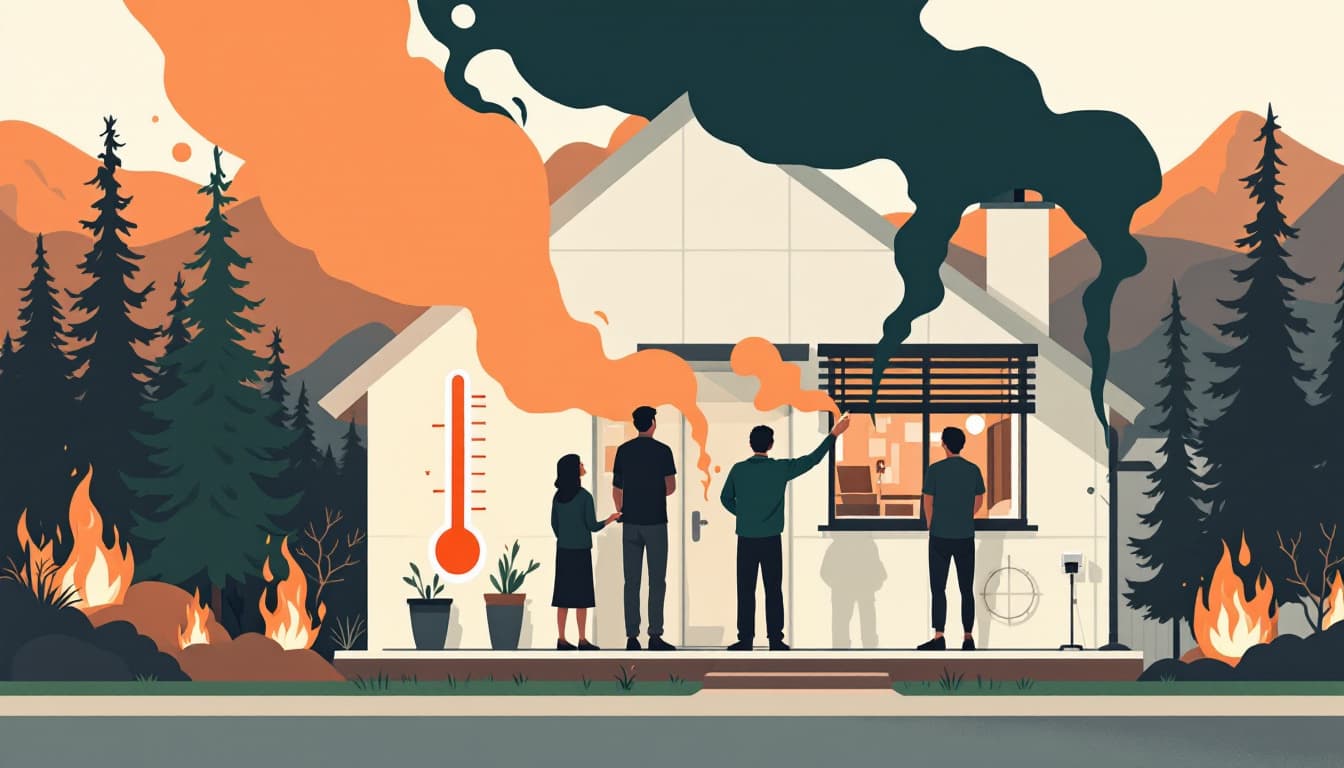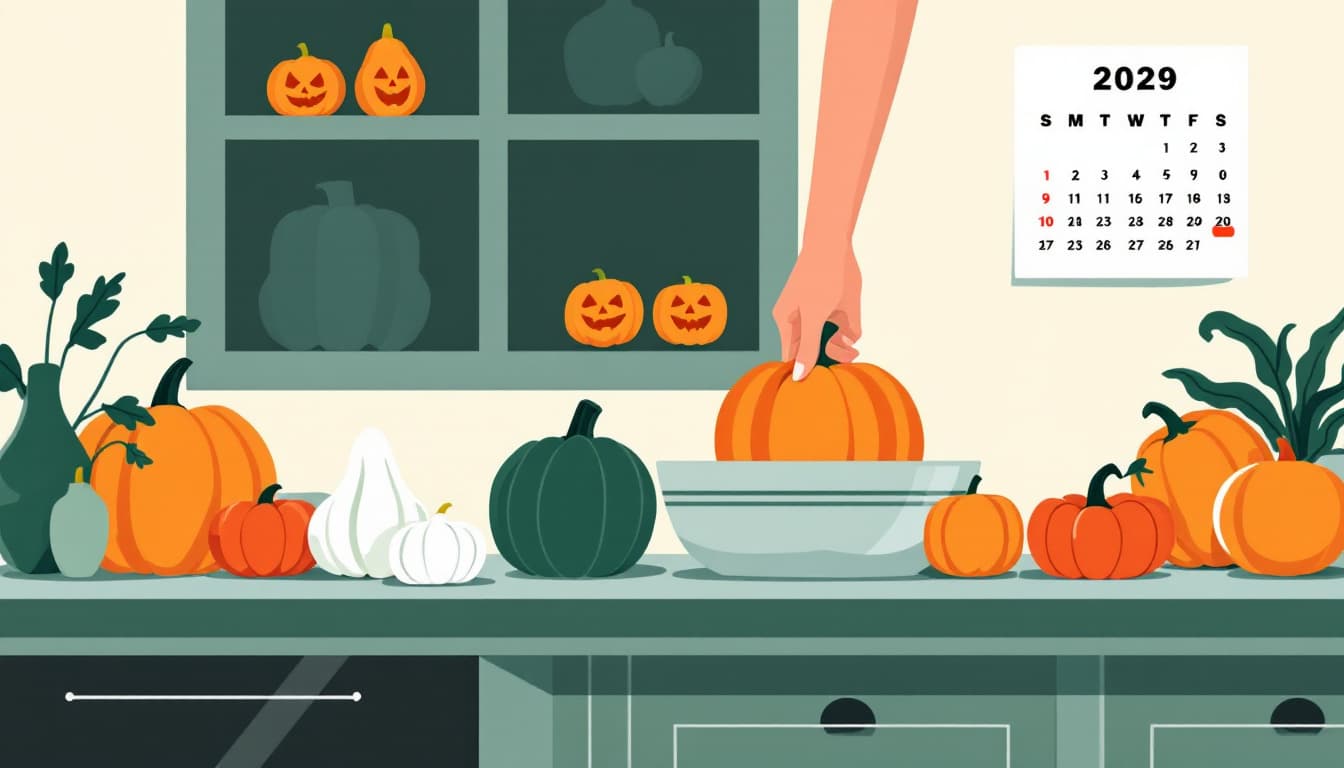
A report this week from WLTX details how sustained extreme heat across North Carolina has pushed back the pumpkin harvest for farmers around the state, disrupting what is normally a reliable early-autumn crop cycle. Pumpkins are typically ready for market in mid-to-late September, coinciding with the run-up to Halloween, but this year's persistent high temperatures have stressed vines, slowed fruit development, and in some cases caused outright crop failure before harvest could begin.
North Carolina ranks among the top pumpkin-producing states in the Southeast, with significant acreage concentrated in the Piedmont and western foothills regions. Farmers in those areas depend on predictable late-summer cooling to allow pumpkins to mature and set their characteristic hard rinds. When temperatures stay elevated well past normal seasonal thresholds, the plants divert energy away from fruit development, and the harvest window compresses or disappears entirely. Some growers interviewed for the WLTX report indicated they were watching significant portions of their fields fail to reach marketable size or coloration.
The economic timing compounds the problem. Pumpkins are a high-visibility, time-sensitive commodity — demand spikes sharply in October and then drops to near zero. A delay of even two to three weeks can mean the difference between a profitable season and selling at a steep loss or not at all. Smaller family operations that lack the cold-storage infrastructure of larger commercial farms are particularly exposed to that compressed window.
From a preparedness standpoint, what is happening in North Carolina's pumpkin fields is a visible data point in a broader pattern affecting the state's food production system. North Carolina's agricultural airshed and growing zones have been recording anomalous heat accumulation through the summer, and the state's Division of Agriculture and Consumer Services has flagged consecutive seasons of heat-related stress on row crops and specialty produce alike. Regional food distribution networks that run through Charlotte, the Triangle, and the Triad pull heavily from in-state farm supply in the fall; when that supply contracts sharply, procurement pressure shifts to out-of-state sources with longer supply chains and higher price volatility. Households and institutions that track local food availability as a resilience indicator — rather than just a lifestyle preference — have reason to watch how North Carolina's fall harvest season closes out.