In late May, the Quabbin Reservoir — which supplies drinking water to roughly 2.5 million people in the greater Boston area — was tracking below its seasonal average. By the time Insurance Journal flagged worsening statewide drought conditions this week, several Massachusetts counties had already moved into moderate-to-severe drought classification under federal monitoring frameworks. Summer hasn't fully arrived yet.
Most households will read this and do nothing. That's the wrong call — not because collapse is coming, but because drought conditions in the Northeast are no longer a once-a-decade anomaly. They're a recurring summer feature that comes with real, compounding costs for families who haven't thought it through.
What's actually changing
The Northeast has spent decades operating under the assumption that water stress is a Southwest problem. That assumption is outdated. New England has seen drought conditions in three of the last five summers, and municipal systems that were designed for predictable seasonal rainfall are increasingly managing through deficits.
For most families on city water, this doesn't mean the tap goes dry. What it does mean: outdoor water use restrictions arrive faster and stay longer. When a town enters Stage 2 or Stage 3 drought response, lawn irrigation gets banned, car washing is restricted, and some municipalities add surcharges to high-volume summer usage. Families who run irrigation systems on auto-schedules often absorb the overage costs without realizing it until the bill arrives.
Well-dependent households face a different set of risks. Shallow wells — common in older New England residential lots — can drop below pump intake depth during extended dry periods. This isn't a catastrophic failure; it usually means a few days without pressure while waiting for the water table to recover or a pump company to respond. But it's a real disruption, and demand for well service spikes exactly when conditions are worst.
The bigger pattern here is that drought is an infrastructure stress multiplier. Wildfires in the West get the attention. Sustained drought in agricultural and suburban New England gets treated as a nuisance. The household-level costs are different in kind, not necessarily in magnitude.
What we'd actually do
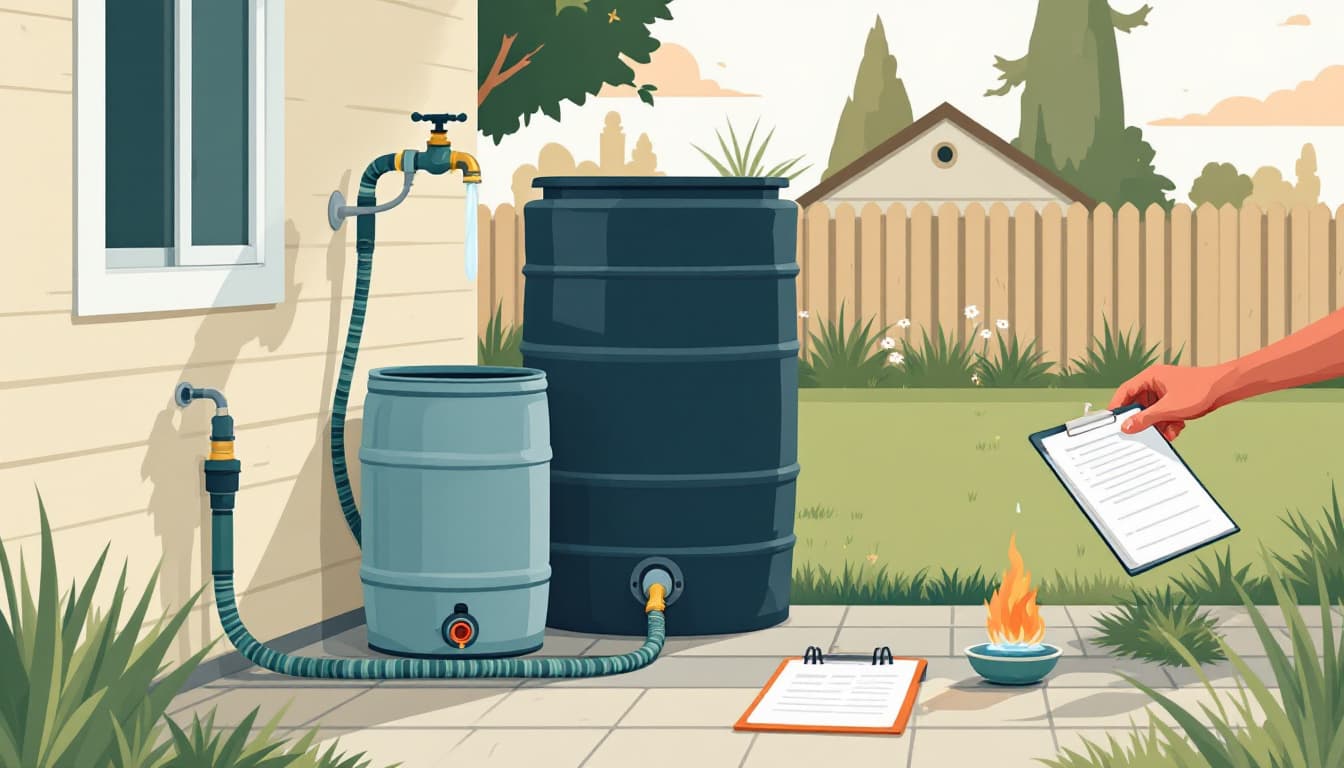
Check your municipality's drought status and sign up for restriction alerts. Most Massachusetts water districts post their drought status online, and many have email or text alert systems. Knowing a Stage 2 restriction is coming 48 hours out lets you make one last deep watering decision rather than getting fined for auto-irrigation that ran on a Tuesday morning. Spend ten minutes this week finding your water district's notification system and opting in.
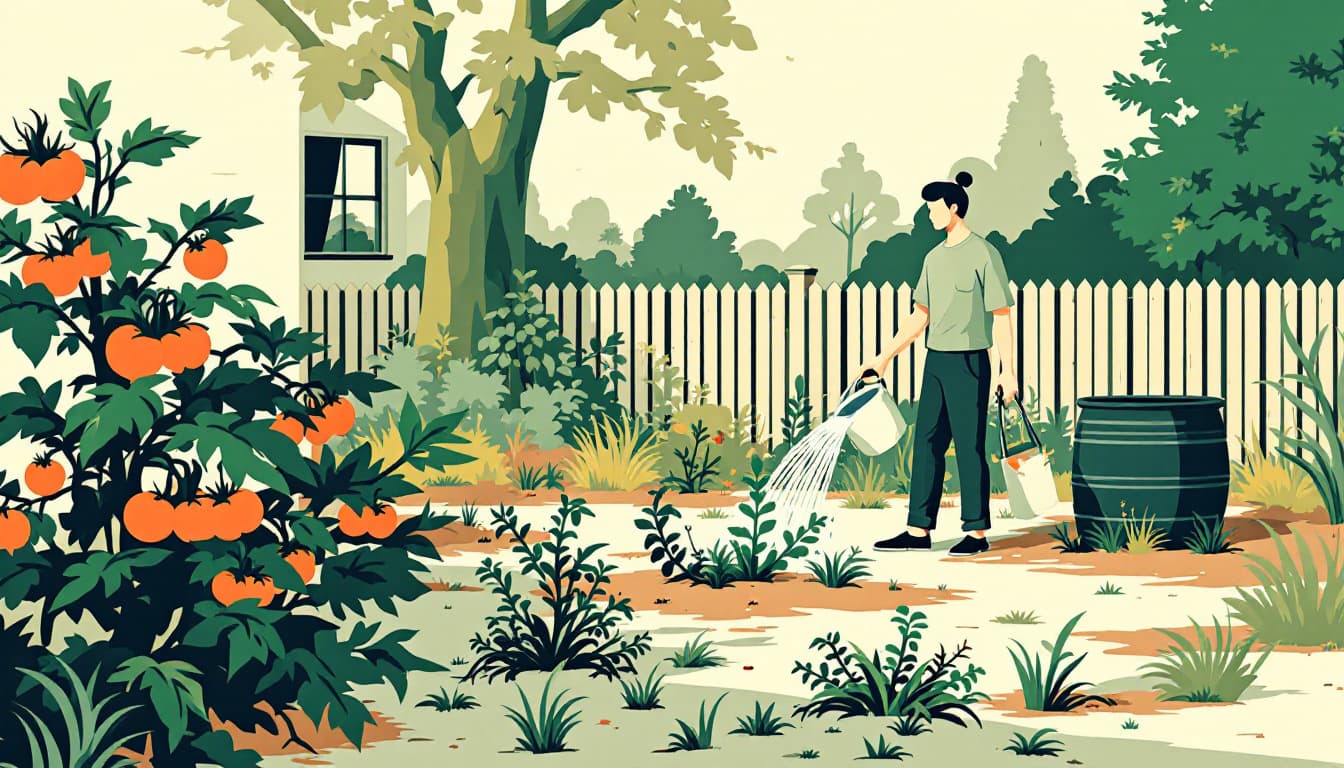
Audit your outdoor water use before restrictions force you to. Walk your irrigation zones and identify what actually needs water versus what you're watering out of habit. Many suburban households water grass that isn't worth saving through a drought. If you redirect that water to a food garden or mature trees, you've preserved what matters. This isn't about installing expensive drip systems — it's about being intentional before someone else makes the decision for you.
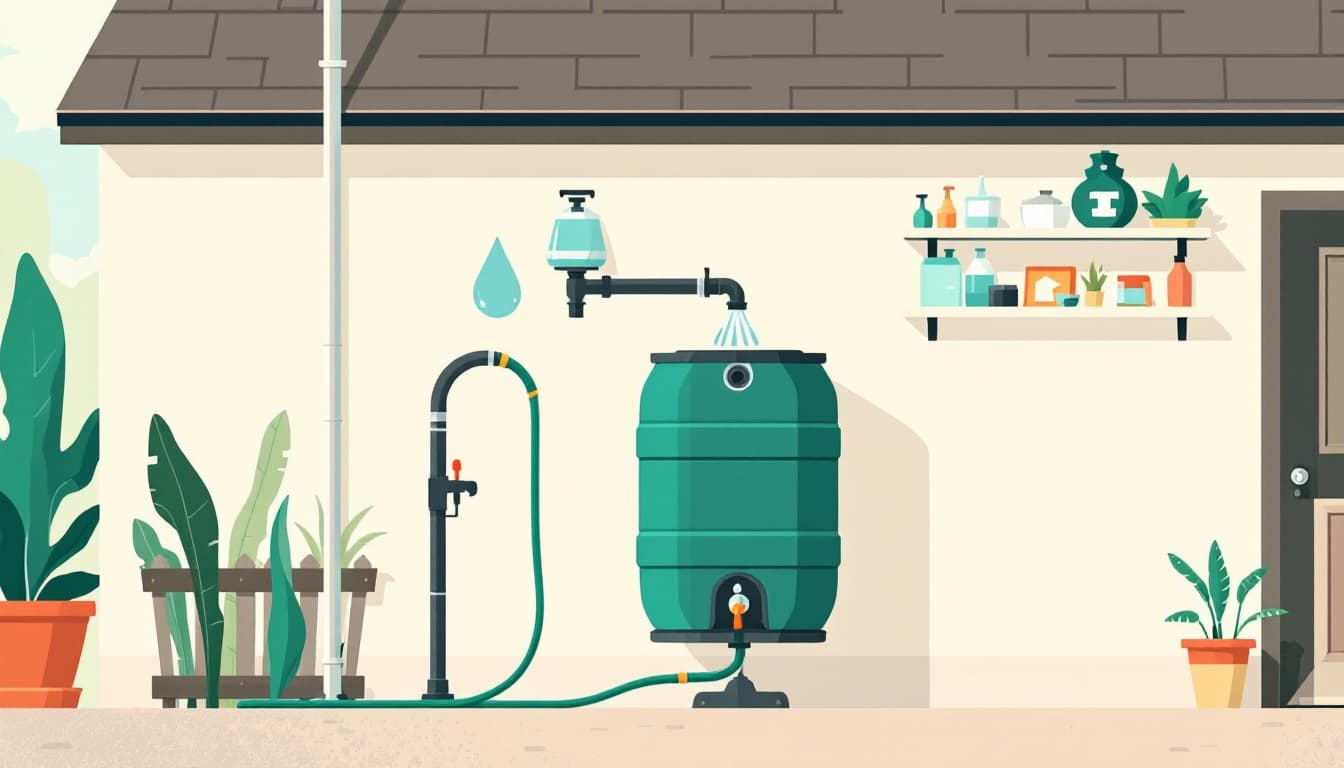
Store a minimum three-day water supply indoors, even if you're on municipal water. This isn't end-of-world prep. It's a hedge against the more mundane scenario: a main break, a boil-water advisory, or a few hours of low pressure during peak summer demand. One case of commercial water per person covers drinking. Two or three large food-safe containers filled from the tap cover cooking and basic hygiene. Rotate them. This costs under $30 and takes 20 minutes.
If you're on a well, know your pump depth and test your water now. Well owners should have documentation from their installation or most recent service showing pump depth and static water level. If you don't have that paperwork, a local well company can tell you over the phone what to expect based on your neighborhood geology. Getting ahead of a potential drop means you're calling for service in June, not competing with 40 other households calling in August.
Mulch anything you care about in the garden. Two to three inches of wood chip mulch around vegetable beds and fruit trees cuts soil moisture loss dramatically. It's a one-time task, it costs almost nothing if you use municipal free-chip programs (most Massachusetts towns have them), and it compounds across the whole summer.
The bigger picture
Drought in Massachusetts this June is not a signal that the water system is failing. It's a signal that the margin for error is narrowing — slowly, incrementally, in ways that don't make headlines until they suddenly do. Families who treat water as an infinite municipal resource will face higher bills, dead gardens, and occasional scrambles. Families who think about it now will spend an afternoon being modestly more organized and then forget about it.
Durability is built from a hundred low-drama decisions like this one. None of them feel important until the summer the reservoir is at 60 percent capacity and your neighbors are panic-buying bottled water at the grocery store.