A likely tornado tore through Arabi on Thursday, according to a report from WDSU, knocking out power to sections of St. Bernard Parish and leaving structural damage in a community that is still, in many ways, rebuilding its identity two decades after Katrina. The National Weather Service had not yet issued a formal confirmation at the time of reporting, but the damage pattern was consistent with a brief, intense touchdown.
If you live anywhere from the Northshore to the Westbank, that story is a signal worth taking seriously — not because the apocalypse is near, but because Louisiana's tornado season doesn't get the same cultural attention as hurricane season, and that gap in attention shows up in household preparation.
What's actually happening
Louisiana sits at the southern end of what atmospheric scientists call "Dixie Alley," a band of high tornado frequency that runs from East Texas through the Gulf Coast states into Mississippi and Alabama. Unlike the Great Plains, where tornadoes tend to arrive in daylight with visible supercells, Dixie Alley tornadoes are often rain-wrapped, fast-moving, and nocturnal. They are harder to see coming, and the warning windows are shorter — sometimes under ten minutes.
The Arabi event fits that pattern. St. Bernard Parish is low-lying, densely built with older wood-frame housing stock, and close enough to the lake and river corridors that atmospheric instability can escalate quickly. The power outages WDSU reported matter beyond the inconvenience: when the grid goes down in June in Louisiana, you are also losing air conditioning during a period when heat can become a medical emergency within hours for elderly residents and young children.
Louisiana's tornado climatology shows a secondary peak in late spring and early summer, overlapping almost exactly with the back half of hurricane preparedness season. Most households are mentally oriented toward storm surge and wind — not toward the fast-twitch response that a tornado warning requires.
What we'd actually do
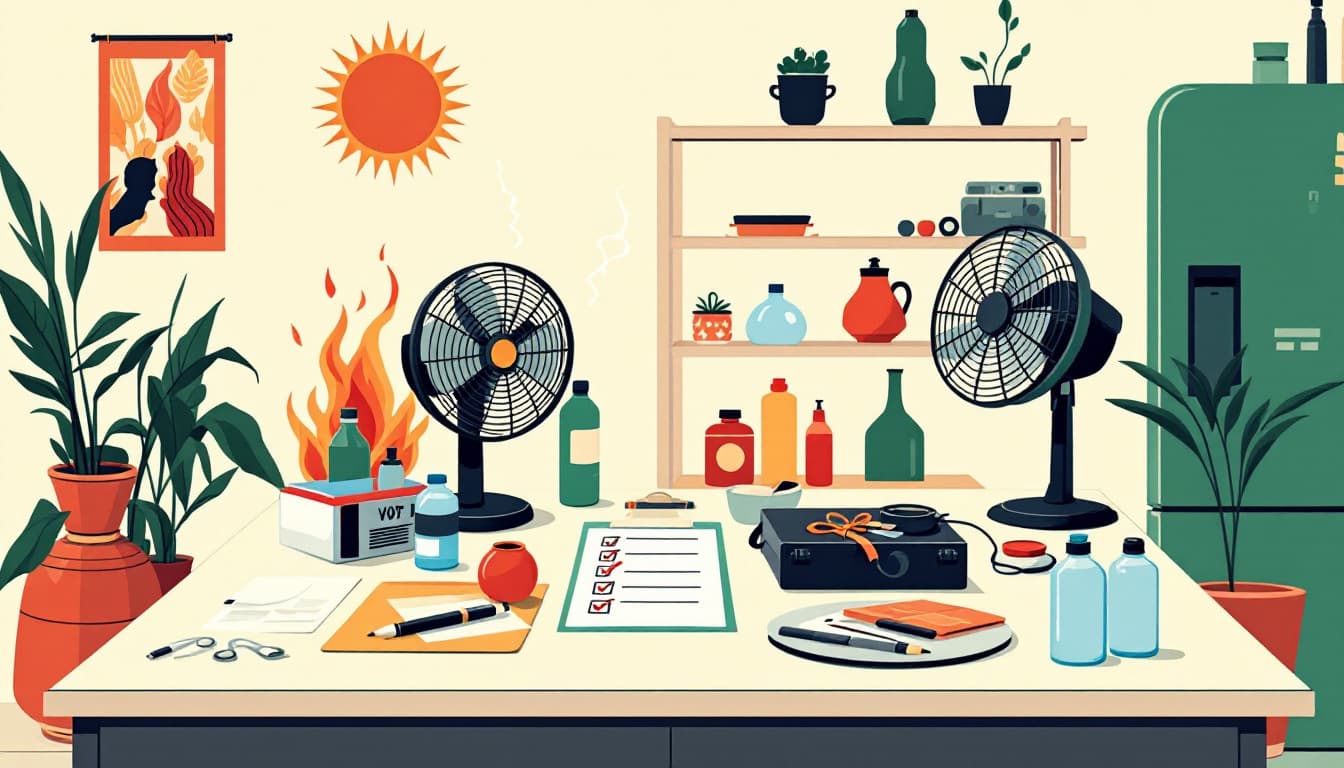
Get a battery-powered or hand-crank NOAA weather radio and put it in your bedroom. Your phone's emergency alerts require cell towers that may be congested or damaged when a storm is already on you. A dedicated weather radio — the kind that can be set to sound an alarm only for your county — gives you an independent channel. A Midland or similar unit costs under $40 at most hardware stores. The specific action this week: order or buy one, set it to St. Bernard, Orleans, Jefferson, or your parish, and test the alarm function before you go to bed tonight.
Identify your interior shelter spot now, not during the warning. In Louisiana's slab-on-grade construction, you have no basement. Your shelter is an interior room on the lowest floor, away from windows — a bathroom, a closet under a staircase, or a hallway. The time to know this is not when the alert sounds. Walk through your house this weekend and make a deliberate decision. If you have family members who sleep in a room with exterior walls on three sides, think about whether they need to move somewhere else when warnings are active.
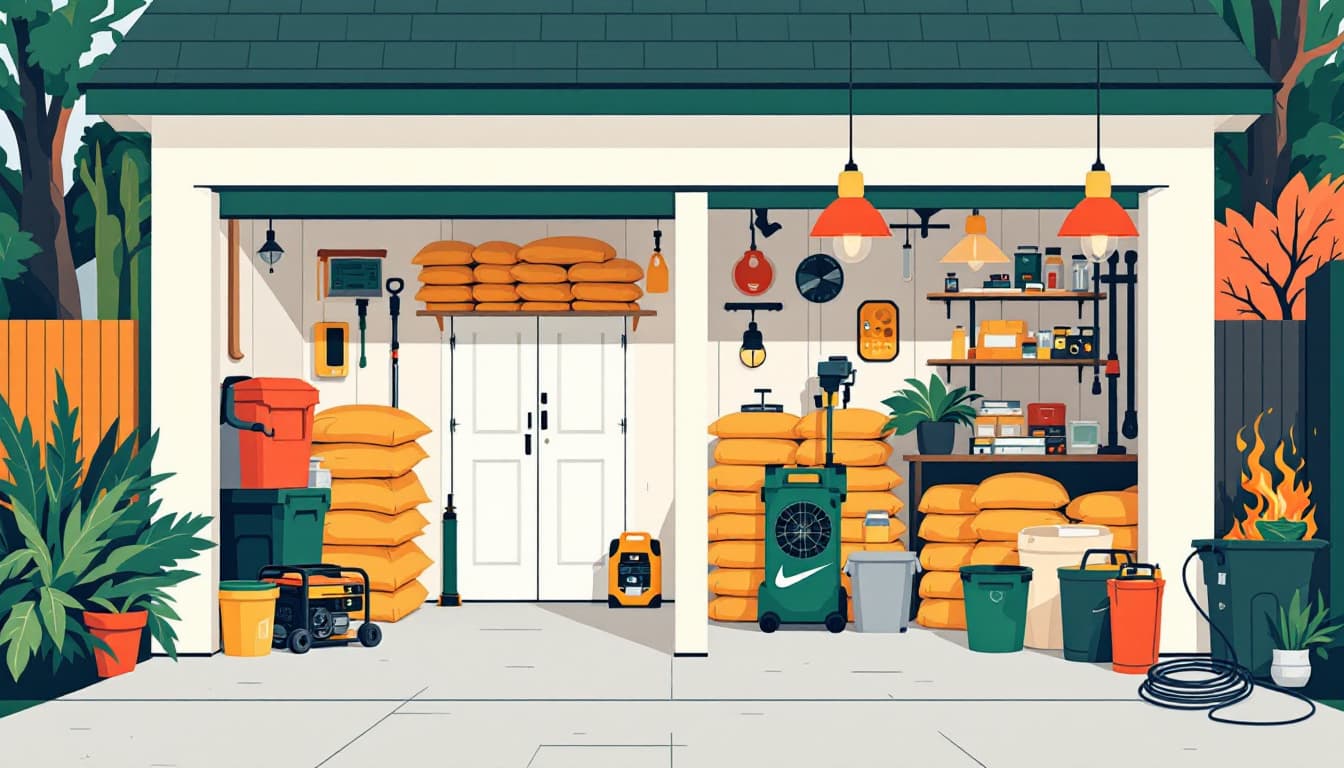
Keep a 72-hour power-outage kit separate from your hurricane kit. After a tornado, the recovery timeline is different from a named storm — damage may be localized enough that stores and roads are open nearby, but your block could be without power for two to four days. What you need immediately: a battery pack or small power station charged and ready, a manual can opener, a week of any prescription medications at fill-ahead, and a cooler you can fill with ice within the first hour of outage. The hurricane tote in the garage doesn't need to be touched. This is a separate, smaller, grab-fast kit.
Check your renter's or homeowner's insurance for "additional living expenses" coverage. If a tornado makes your unit uninhabitable — even temporarily — that coverage pays for a hotel. Many Louisiana households don't know whether they have it or what the daily limit is. Look at your declarations page this week. If you rent and carry no renter's insurance, a basic policy in Louisiana typically runs $15–$25 per month and includes that provision.
Trim or remove dead limbs over your roofline before the next storm system. Wind-thrown branches cause a disproportionate share of roof damage in tornado-adjacent events. This is a $0-to-low-cost action if you do it yourself, and the right time is not when a watch is posted.
The bigger picture
Arabi is a small community with a resilient population, and it will recover from Thursday's event. The reason to pay attention isn't that Louisiana is becoming unlivable — it isn't — it's that the Gulf Coast's weather hazards are layered and overlapping in ways that reward households who stay prepared across multiple scenarios, not just the one on the news this week.
A family that has a weather radio, knows its shelter spot, and can ride out 72 hours without power is not a "prepper" in any exotic sense. It is simply a household that has taken the Gulf Coast seriously on its own terms.
Durability is the goal. Not bunkers, not bug-out bags — just a home that handles what Louisiana reliably throws at it.