A report this week from Louisiana First News flagged what climate scientists are now saying plainly: the extreme heat battering Europe this summer could not have occurred in a pre-industrial climate. The probability of those temperatures without decades of accumulated warming is, according to the researchers, effectively zero.
Louisiana is not Europe. But Louisiana is already one of the most thermally punishing states in the country, with heat index values in New Orleans, Baton Rouge, and Lake Charles routinely exceeding 110°F in July and August. The European finding matters here not because our weather is the same, but because the same mechanism — a warmer baseline turning routine heat events into record ones — applies everywhere, including the Gulf Coast.
What's actually changing
The operative word in the scientists' finding is "impossible." Not unlikely. Not rare. Impossible. That framing shifts the conversation from "unusual weather" to "new normal operating conditions," which has direct consequences for how Louisiana households should think about resilience.
Three things are compounding simultaneously in Louisiana:
The heat itself is more intense. Warmer baseline temperatures mean that a heat event that would have peaked at 97°F thirty years ago now peaks at 101°F. In a state where outdoor labor, older housing stock, and high poverty rates already create heat vulnerability, that four-degree shift is not trivial.
The grid is under more strain. The Louisiana Public Service Commission has flagged peak demand concerns in recent summers. Entergy Louisiana, which serves the largest share of the state's customers, has experienced load-shedding events and rolling outages during multi-day heat episodes. A prolonged heat dome — exactly the kind of event scientists say is now more likely — puts the grid under sustained pressure that brief afternoon storms used to relieve.
Cooling costs are rising. Recent energy price data shows residential electricity costs climbing faster than general inflation. For a Louisiana household running a central AC unit during a heat emergency, a 72-hour outage is not an inconvenience — it is a medical event for elderly relatives, infants, and anyone with cardiovascular or respiratory conditions.
The doom-prepper framing here would be to tell you the grid is about to collapse and you need a $12,000 solar system. That's not what the evidence says. What it says is that your household's heat resilience deserves the same serious attention you'd give to hurricane supplies — without the hysteria.
What we'd actually do
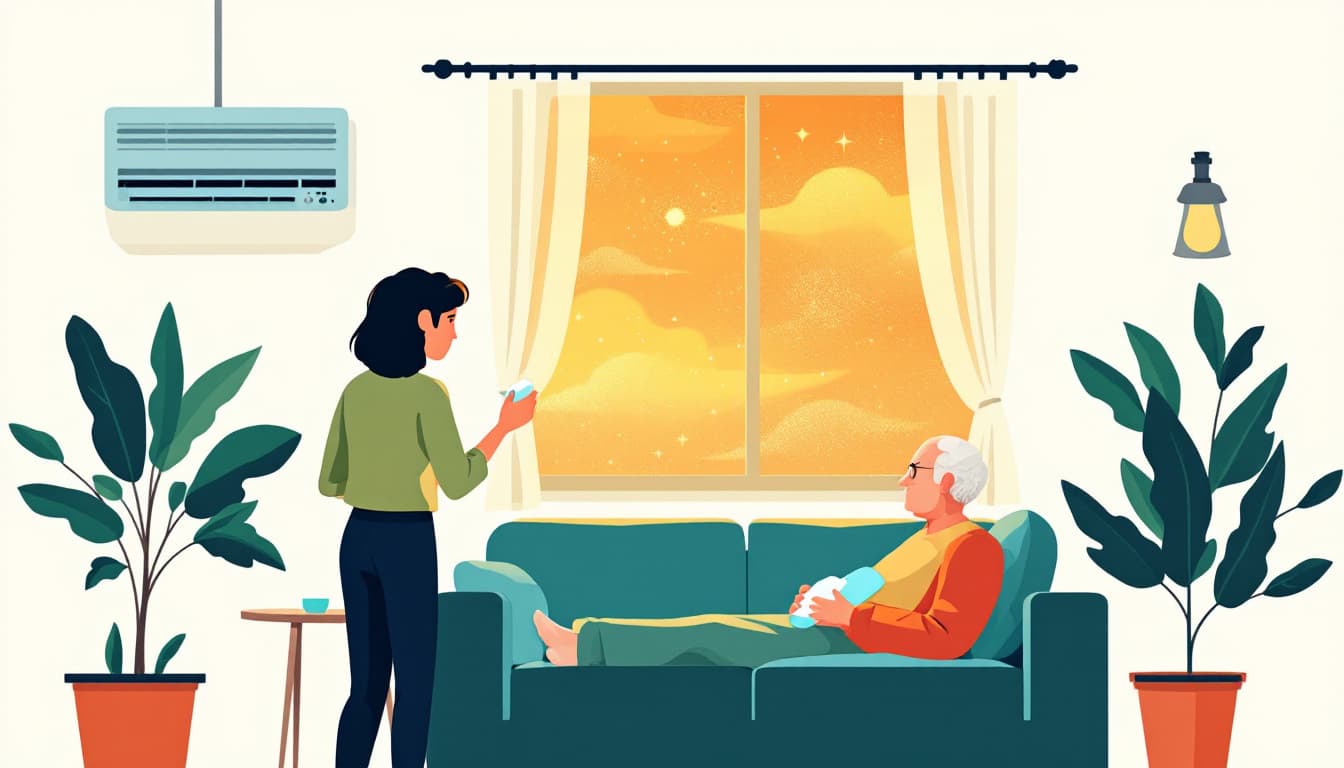
Map your household's heat vulnerability right now, before July. Start by identifying who in your home — or who you're responsible for checking on — is actually at risk during a multi-day power outage. Adults over 65, children under five, anyone on diuretics, beta-blockers, or antipsychotics, and anyone doing outdoor work face elevated danger. Write the list. Share it with one neighbor.
The Louisiana Department of Health publishes cooling center locations by parish every summer. Save that page in your phone's bookmarks before you need it. During a grid event, finding a cooling center that's still open is a time-sensitive task — pre-loading that information takes two minutes.
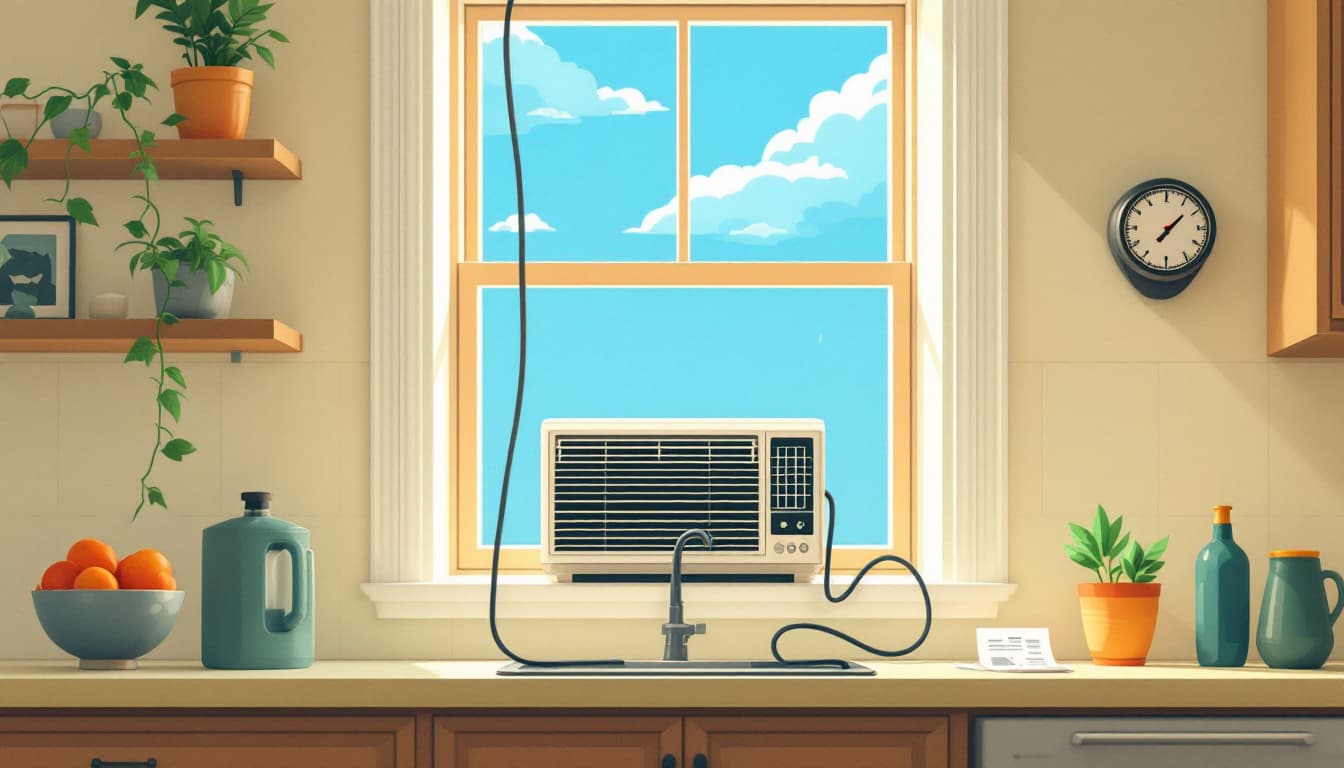
Acquire one window unit or portable AC that can run on a generator. Central air is useless without grid power. A single 5,000–8,000 BTU window unit or portable AC for one room — ideally a bedroom — can maintain a survivable sleeping environment during an outage. Pair it with a 2,000–3,500 watt inverter generator and you have a workable solution for multi-day events. This is not a luxury purchase in Louisiana; it is a heat-mortality prevention tool.
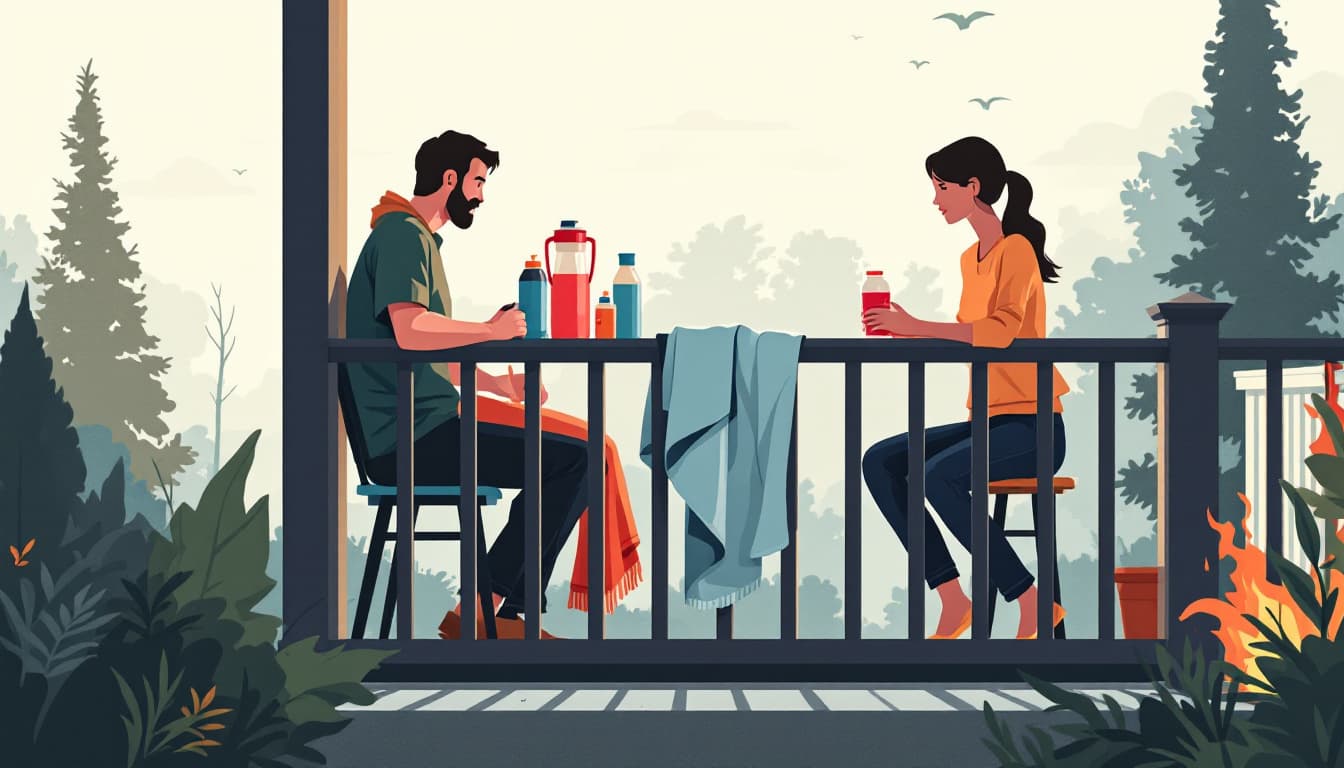
Build a 72-hour water reserve and store it cold. Heat stress and dehydration compound each other. Fill a cooler with ice and sealed water bottles before a forecast heat event, not after. Stores sell out of ice within hours of major weather alerts in Louisiana — this is well-documented after every significant weather event from Baton Rouge to the Northshore.
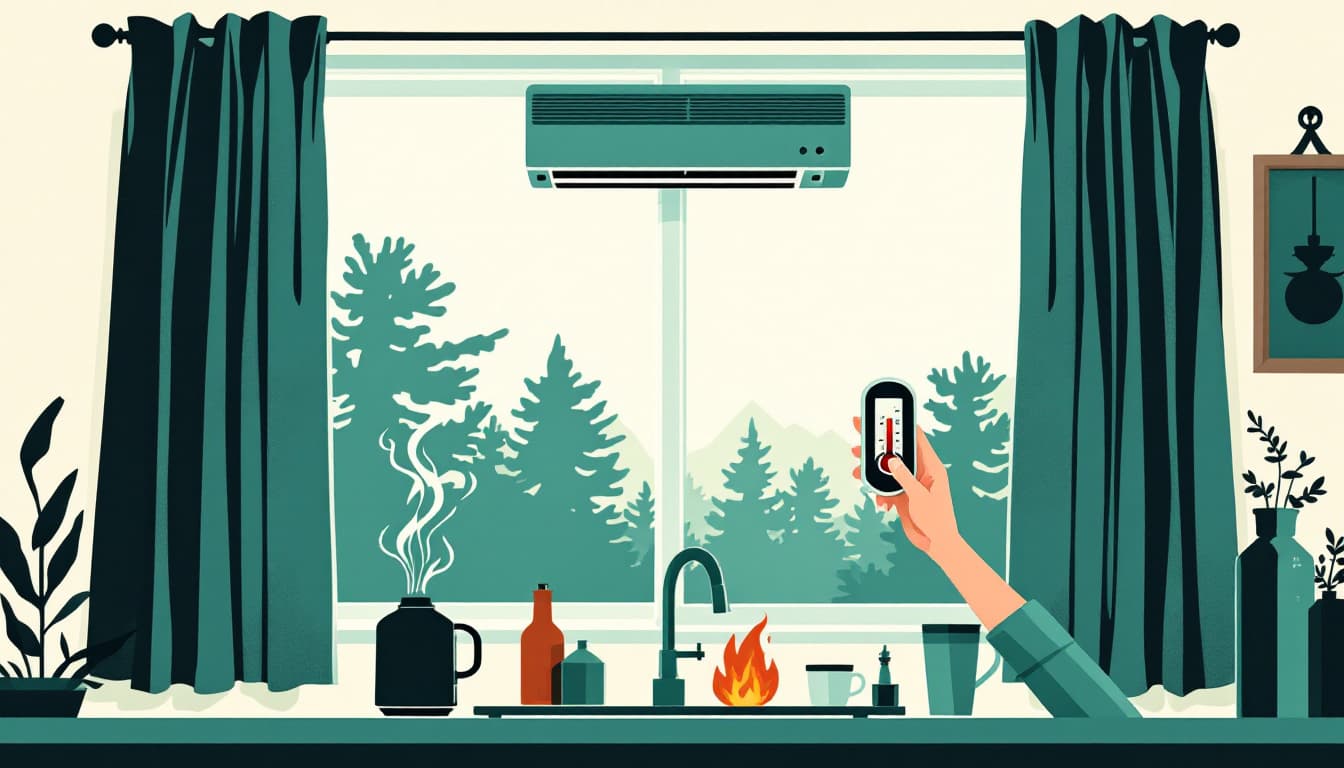
Seal and shade your home before peak summer. Weatherstripping, door sweeps, and blackout curtains on south- and west-facing windows cost under $100 total and measurably reduce cooling load. A home that holds cold air longer buys you more time during an outage before interior temperatures become dangerous. The LSU AgCenter has published practical guidance on low-cost home weatherization for Louisiana's climate specifically.
Know your neighbor. During the 1995 Chicago heat wave — one of the most-studied urban heat disasters in U.S. history — the single strongest predictor of survival was whether someone checked on you. In Louisiana's close-knit parishes, that social infrastructure already exists. Activate it intentionally, especially for elderly neighbors who may not ask for help.
The bigger picture
Europe's heat emergency is not a cautionary tale about somewhere else. It is a data point about what happens when a warming baseline collides with a weather system that used to be rare. Louisiana sits at the intersection of high heat, high humidity, aging infrastructure, and significant economic inequality. That combination means heat resilience is a household-level preparedness priority on par with hurricane supplies — not a fringe concern.
The goal is not to survive the apocalypse. It is to stay functional, keep your family safe, and remain a resource to your community when the grid goes down for three days in August. That's achievable. Start this week.