A CBS News report confirmed this month that roughly 1.6 million cartons of eggs are being recalled across multiple retail chains — including Kroger banner stores — because of potential salmonella contamination. If you bought eggs in Louisiana in the past few weeks and haven't checked the carton yet, stop reading and go look. We'll be here when you get back.
What's actually happening
The recall covers eggs sold under several store-brand labels at Kroger and affiliated chains. The FDA flagged the lot numbers; CBS News published the specifics. Salmonella isn't a theoretical risk — it sends roughly 26,500 people to the hospital each year in the U.S., according to CDC estimates, and children under five, adults over 65, and immunocompromised people are most vulnerable.
Louisiana adds a layer of complication the national story skips over. July heat here is not ambient — it's structural. An egg carton left in a warm car for 20 minutes, or stored in a refrigerator that loses power during a summer storm, crosses into the temperature range where salmonella multiplies fast. The state averages several significant thunderstorm events per week in July, and power interruptions in coastal parishes are common enough that the Louisiana Public Service Commission tracks them quarterly. A recalled egg sitting in a fridge that was off for three hours is a compounding problem, not just a single one.
Kroger operates stores across greater New Orleans, Baton Rouge, Shreveport, and Lafayette under its main banner. Smaller affiliated banners — check your receipt if you're unsure — may also carry recalled product. Rouses and Winn-Dixie have not been named in this recall as of the CBS News report, but that can change; the FDA updates recall lists as investigations widen.
What we'd actually do
Check the carton against the FDA recall list before cooking anything. Go to fda.gov/safety/recalls-market-withdrawals-safety-alerts and search for the brand or lot number on your carton. This takes two minutes. The lot number is stamped on the end of the carton, usually beginning with a Julian date code. If you're unsure how to read it, the FDA page for this recall includes a guide.
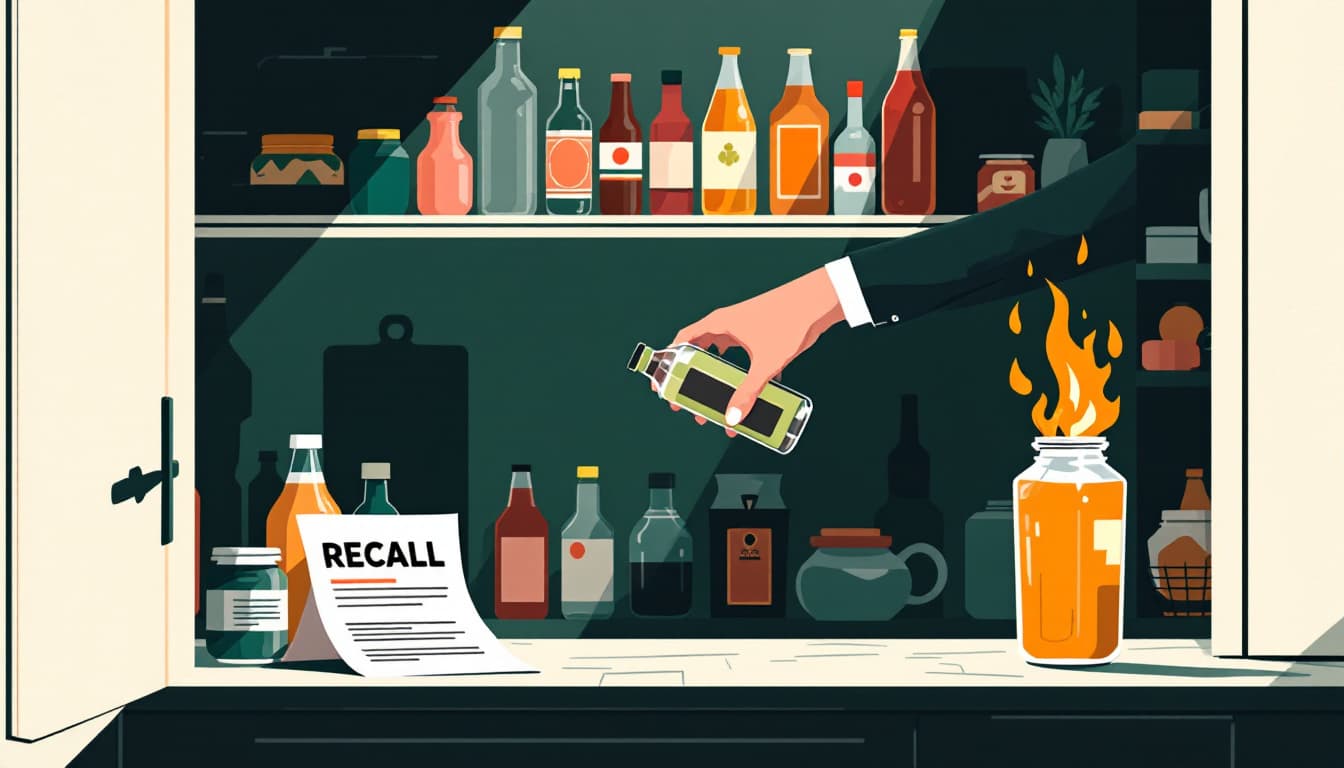
Throw the eggs out if they match — do not cook them "just to be safe." Thorough cooking does kill salmonella, but the recall exists because contamination levels and distribution within a given batch are unpredictable. The risk-reward calculation on saving $4 worth of eggs does not favor keeping them. Double-bag the carton before tossing it so the trash doesn't become a contact surface.
Bring your receipt and the carton to the store for a refund. Kroger's standard recall policy is a full refund without requiring the original payment method. Louisiana consumer protection law (R.S. 51:1401 et seq.) backs your right to a refund on unsafe goods regardless of store policy. You don't need to argue — just show up with the product and ask.
Use this as a prompt to audit your cold-chain practices for summer. Louisiana households running refrigerators in hot garages or utility rooms should verify that the fridge interior holds 40°F or below — a $6 refrigerator thermometer from any hardware store will tell you. If your fridge runs above that threshold during summer, eggs, raw poultry, and deli meats are the categories where that gap matters most.
Keep a three-day egg substitute on hand. Powdered whole eggs, shelf-stable in sealed cans or Mylar pouches, last 5–10 years stored properly and cost roughly $0.20–$0.30 per equivalent egg. They're not a culinary upgrade, but they cover the gap when a recall, a storm, or a supply disruption empties the dairy aisle. Two cans is enough for most households to bridge a week.
The bigger picture
Food recalls are not rare events. The FDA issues dozens each year, and eggs show up on that list with enough regularity that treating each one as a singular shock misses the point. The more durable question is whether your household has the information habits — knowing where to check, how to read a lot number, what your consumer rights are — to respond quickly when it happens again.
Louisiana's summer conditions make that response speed matter more than it does in, say, Minnesota in October. Heat compresses the margin for error on food safety. Building a modest shelf-stable buffer and knowing your fridge temperature aren't dramatic acts of preparedness. They're just the baseline for a Louisiana kitchen in July.