A cheese recall is one of those food-safety events that feels routine until you realize you bought the product two weeks ago and ate half of it already. A report this week from Louisiana First News flagged that the FDA has expanded a cheese recall tied to possible listeria contamination — meaning the original scope of affected products grew after the initial announcement. That expansion is the part worth paying attention to.
What's actually changing
Recall expansions happen when a manufacturer or the FDA traces contamination further back through a production run, or when additional lot codes test positive. An expansion is not a sign that regulators are panicking. It is a sign that the investigation is working. What it means for households is that a product you checked against the first recall list — and found safe — may now be on the updated list.
Listeria monocytogenes is not equally dangerous to everyone. For healthy adults, an infection can feel like a rough flu. For pregnant women, adults over 65, and anyone with a compromised immune system, it can cause severe illness and, in serious cases, death. Louisiana's summer heat compounds this: refrigerators work harder in high-ambient-temperature homes, and a fridge running even a few degrees warm can let listeria grow faster in soft cheeses and ready-to-eat deli products.
The FDA maintains a live recall database at fda.gov/safety/recalls-market-withdrawals-safety-alerts. That is the only authoritative list. Social media screenshots of recall notices circulate for months after products are cleared, and regional news aggregators sometimes run older recall stories without updated context. Go to the primary source.
What we'd actually do
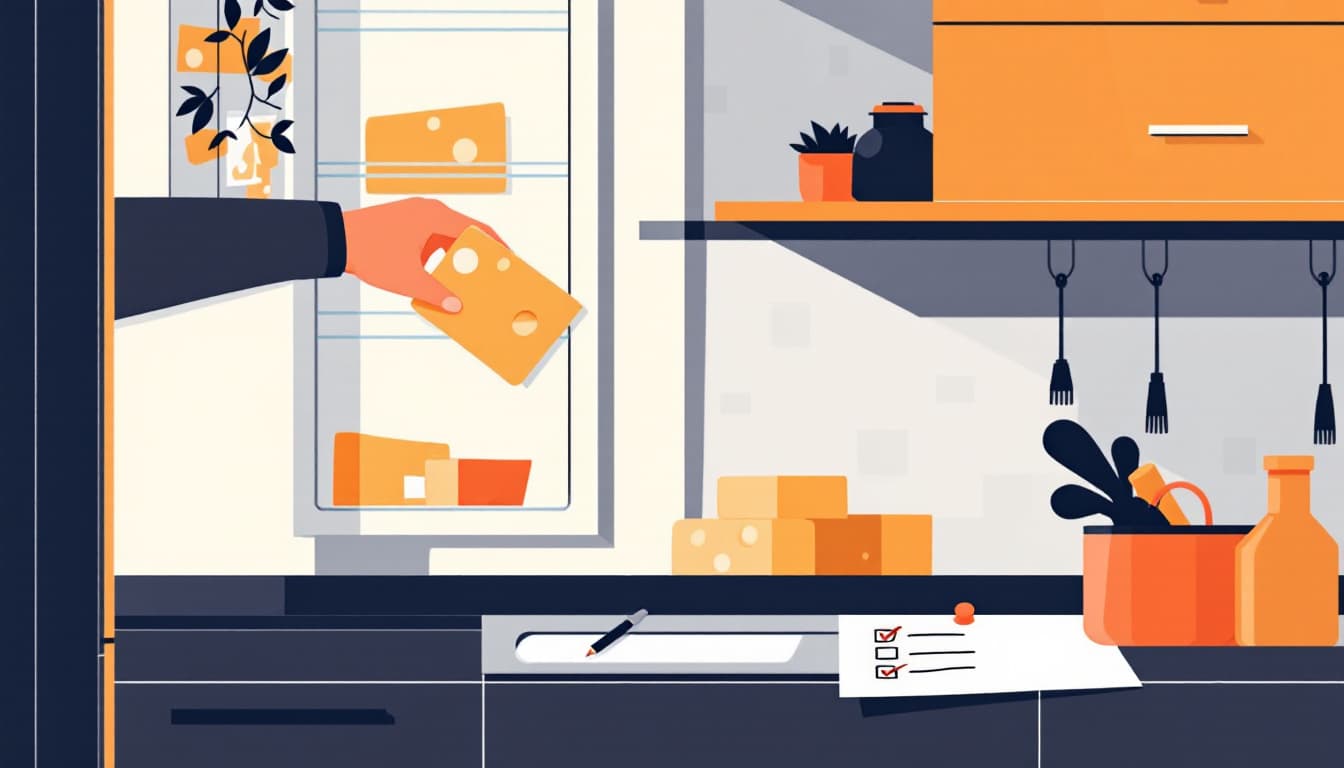
Check the FDA recall database directly, today. Pull every soft cheese, specialty cheese, or deli-counter product from your refrigerator and compare the brand name, lot code, and "best by" date against the current FDA recall page. Lot codes are usually stamped on the back or bottom of the packaging. If a product matches, do not taste it to check — bag it, seal the bag, and discard it, or follow the specific return instructions on the FDA notice. Five minutes of cross-referencing is the entire action here.
Set a monthly calendar alert to check open FDA recalls. Most households find out about food recalls from social media or a friend's text, which is slow and unreliable. The FDA's RSS feed (accessible at fda.gov) pushes recall notices in near-real time. A recurring monthly check takes under ten minutes and catches dairy, deli meat, produce, and baby food recalls that never make local TV.
Audit your refrigerator temperature. Louisiana homes run air conditioning hard in July, but power fluctuations — common during peak demand — can cause brief temperature swings that most people never notice. A $10–$15 refrigerator thermometer, left inside the main compartment, tells you whether you're consistently hitting the FDA's recommended 40°F or below. Soft cheeses and ready-to-eat deli items are the most vulnerable products if your fridge is running at 43°F instead of 38°F.
Rotate toward shelf-stable protein when a recall is active. This is not about fear — it is about having options. Canned fish, dried beans, shelf-stable nut butters, and hard cheeses like aged parmesan or sharp cheddar carry dramatically lower listeria risk than soft, fresh, or brined cheeses. Louisiana pantries built around red beans, canned sardines, and shelf-stable stock are already ahead of this. If you have household members in a high-risk category, this is a week to lean on what's in the cabinet rather than what's in the deli drawer.
Know your retailer's recall process. Major grocery chains — including those operating across south Louisiana — typically pull recalled products from shelves within hours of an FDA notice and will issue a store credit or refund without requiring a receipt. Call your store's customer service line or check the chain's website if you're unsure. You should not have to eat the cost of a recalled product.
The bigger picture
A recall expansion is the food safety system doing what it is supposed to do — following evidence and widening the net when new data warrants it. That is not a reason to distrust the food supply broadly, and it is not a reason to stock six months of freeze-dried meals. It is a reason to have a reliable habit of checking primary sources and knowing what is in your refrigerator.
Durability in a household preparedness context means being the family that handles a cheese recall with a five-minute database check and a calm pivot to the pantry — not the family that either ignores it or catastrophizes it. That gap is mostly habit. Build the habit.