A heat watch is not a heat warning. That distinction matters before the temperatures climb.
The Sacramento Bee reported this week that the National Weather Service issued an extreme heat watch for Los Angeles County covering Tuesday through Thursday. A watch means conditions are favorable for dangerous heat — not that the event is confirmed. The upgrade to a warning or advisory can happen fast, sometimes within hours. By the time most households notice the shift, the grid is already stressed and the cooling centers are filling up.
What actually changes when the watch upgrades
Southern California's grid operator, CAISO, runs on a real-time demand curve. When daytime temperatures push into triple digits across a wide geography — the San Fernando Valley, the Inland Empire, and coastal communities simultaneously — demand spikes in a compressed window between roughly 4 p.m. and 9 p.m. That is when the grid is most exposed. Flex Alerts, which ask voluntary conservation, typically precede more serious supply shortfalls by one to two hours.
For households on SCE or LADWP time-of-use rates, running large appliances during that peak window can meaningfully spike a July bill. The bigger risk is cascading: if a feeder line trips under load, localized outages can last several hours even when the broader grid is stable. Neighborhoods with aging distribution infrastructure in the eastern San Gabriel Valley and parts of the South Bay have seen this pattern in prior heat events.
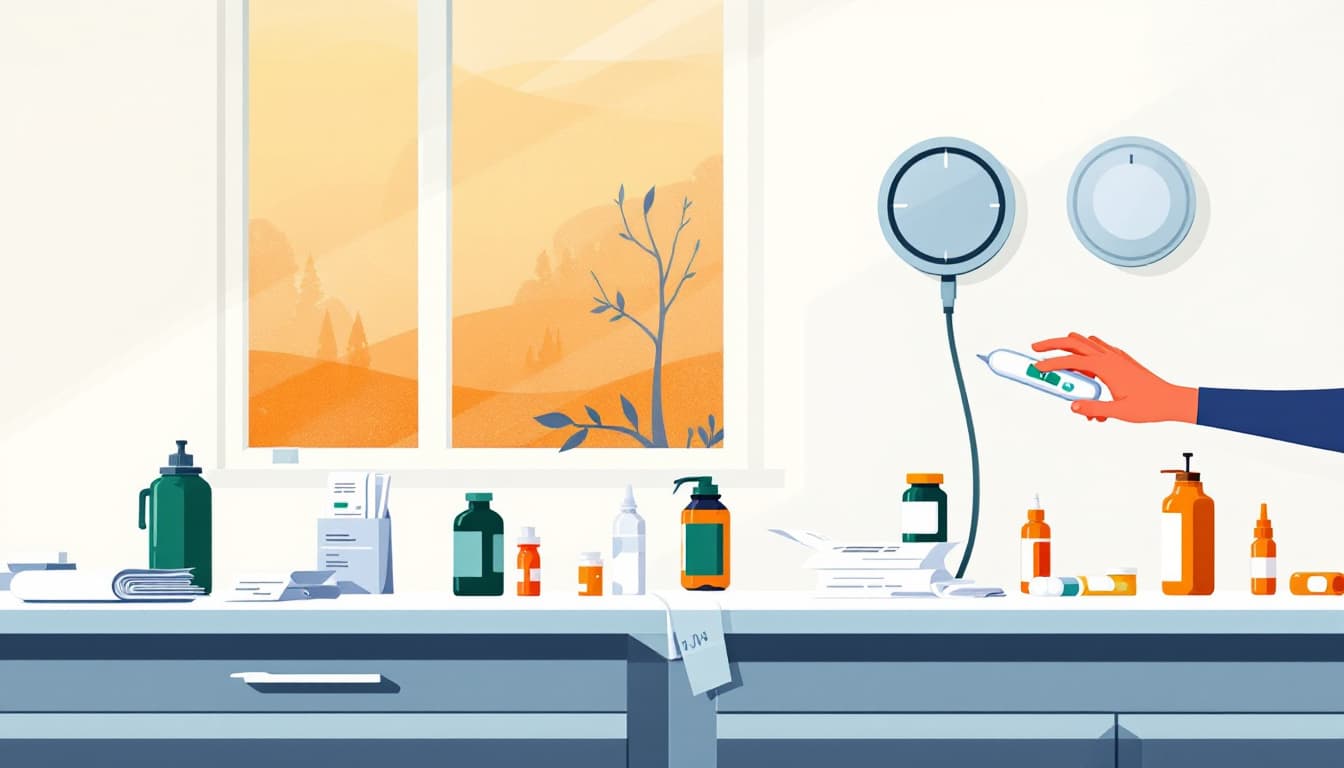
Medication safety is the issue most heat preparedness guides mention and then immediately drop. Insulin, some thyroid medications, certain inhalers, and a range of psychiatric medications have narrow temperature tolerances. A garage refrigerator that cycles off during a brownout, or a medication left on a countertop in a unit without air conditioning, can degrade in hours. This is not a remote edge case — it affects a significant share of California households managing chronic conditions.
What we'd actually do
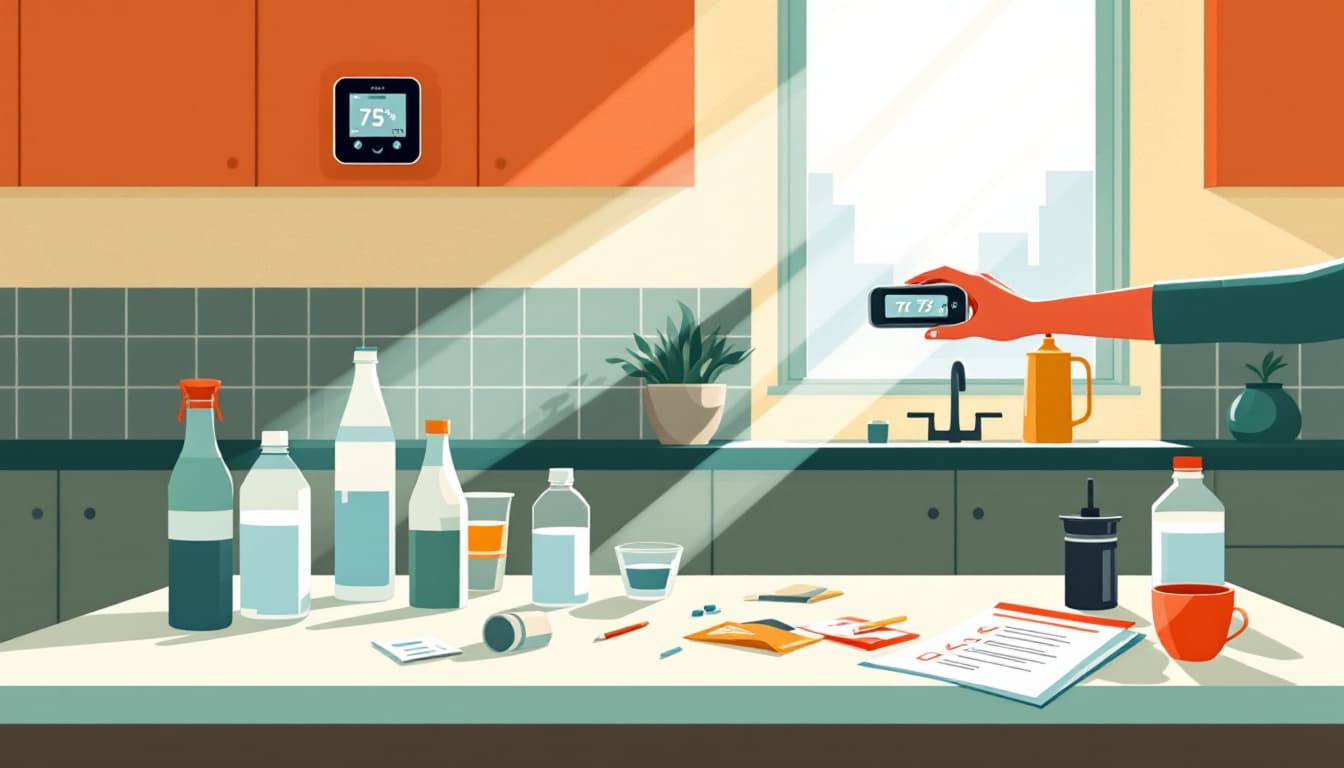
Pre-cool your space before Tuesday morning, not Tuesday afternoon. Run your AC to 68–70°F overnight Sunday and Monday when demand is low and rates are cheaper. Thermal mass — walls, floors, furniture — stores that coolness and buys you hours of buffer if you need to reduce AC use during peak hours. Closing blinds on south- and west-facing windows before 10 a.m. makes a measurable difference in how quickly a room heats.
Locate your nearest cooling center now, before you need it. Los Angeles County maintains a cooling center locator through the county's emergency management page and the 211 LA helpline. The centers fill unevenly — libraries and rec centers in denser neighborhoods reach capacity faster than those in suburban areas. Know two options, not one, and know their hours. Many close by 7 p.m., which is still inside the peak heat window.
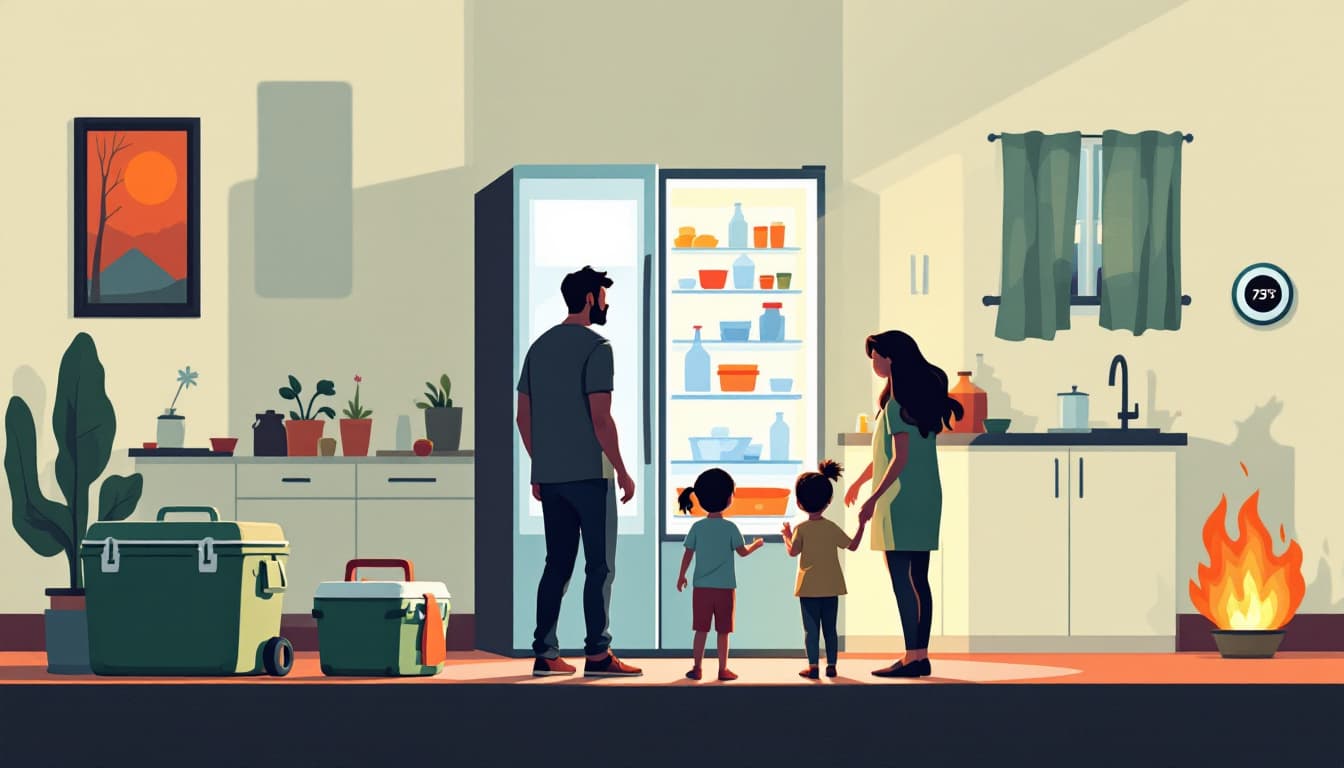
Check your refrigerator medication storage before Tuesday. If anyone in your household stores temperature-sensitive medication, confirm the refrigerator is holding below 46°F (most should be set to 35–38°F). Fill any open space in the fridge with water bottles — a full fridge holds temperature longer during a power interruption. If you have a secondary fridge in an uncooled garage, move those medications inside now.
Sign up for LADWP or SCE outage alerts by phone, not just app. Apps require data connectivity, which degrades when cell towers are overloaded during emergencies. Both utilities offer text and automated voice alerts tied to your account address. It takes three minutes to set up and gives you earlier warning than a neighbor knocking on your door.
Identify the one person on your block who is most vulnerable. Older adults living alone, people without air conditioning, and anyone with a heart or kidney condition face disproportionate risk during multi-day heat events. A single check-in call on Tuesday morning costs nothing and has a documented effect on outcomes during heat emergencies, per Los Angeles County public health data from prior events.
The bigger picture
Three days of extreme heat is a manageable event for a household that has done twenty minutes of preparation. It becomes a medical emergency for households that haven't. California's heat season now runs longer than it did a decade ago, and the gap between a watch and a full-blown grid emergency can close quickly when multiple counties are affected simultaneously.
The goal is not to have a bunker. The goal is to not be surprised by something that was forecast three days in advance.