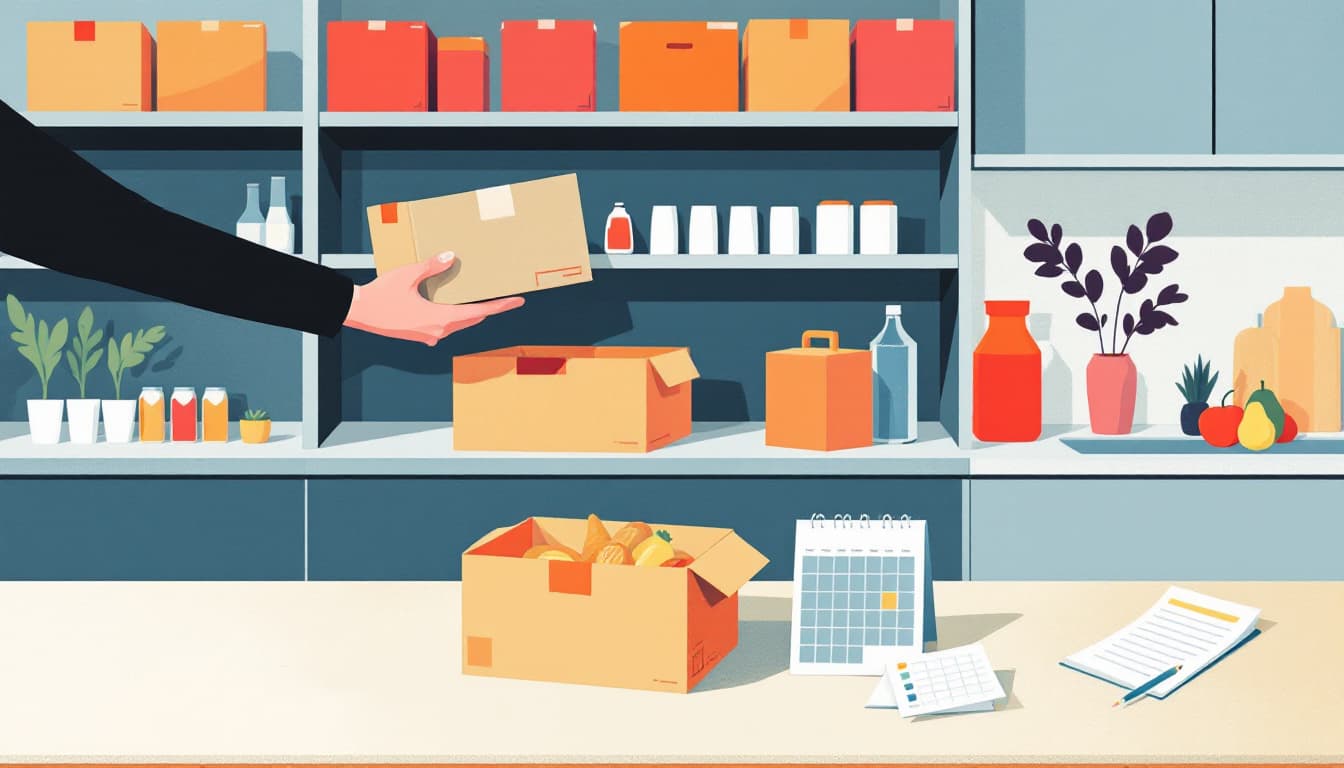
A pallet of goods leaving a factory in Vietnam isn't the end of the cost calculation. It's the beginning of a risk calculation — and the logistics industry is finally building a number around that idea.
Supply & Demand Chain Executive reported this month on a concept gaining traction in procurement circles: "landed risk." The traditional "landed cost" metric captures what you pay to get a product to your dock: manufacturing, freight, duties, insurance. Landed risk layers something new on top — the probability and potential cost of disruption anywhere along that path. A port strike in Korea, a container shortage after a typhoon, a tariff shift that reprices a whole category overnight. Analysts are arguing these aren't rare exceptions to be absorbed; they're recurring costs that should be modeled in advance.
That shift in thinking matters to your household even if you've never heard the term.
What's actually changing
For the past several decades, global retailers and importers optimized relentlessly for lowest landed cost. That meant longer supply lines, thinner inventories, fewer domestic suppliers, and more single-source dependencies. It worked — until it didn't.
What landed risk as a formal metric signals is that the professional supply chain world is now accepting, institutionally, that the disruption era isn't over. Businesses that adopt this framework will start pricing resilience into their sourcing decisions. Some will dual-source or near-shore. Some will hold more buffer stock. Some will accept higher unit costs in exchange for more predictable availability.
For consumers, this plays out in two ways simultaneously. First, over a multi-year horizon, more resilient sourcing should mean fewer sudden-empty-shelf moments. Second, in the near term, the costs of building that resilience flow downstream — into retail prices, in the form of slightly higher margins being used to fund safety stock and diversified logistics.
Neither outcome is catastrophic. Both are worth understanding.
The categories most exposed to landed risk right now, based on recent trade data patterns, are electronics components, over-the-counter pharmaceuticals and their active ingredients, certain canned and processed foods with import dependencies, and household goods with concentrated manufacturing in a small number of countries. Prescription drugs sourced through complex international generic supply chains carry their own version of this risk, which the FDA has tracked in its drug shortage database for years.
What we'd actually do
Audit one product category per month, not your whole house at once. Pick the OTC medications your family uses regularly — antihistamines, pain relievers, a specific children's formulation — and check whether you have a 60-to-90-day supply on hand. One category, one month. This is more sustainable than a single panic-restocking run that expires unevenly.
The logic: pharmaceuticals are among the highest-risk categories for landed disruption because active ingredients are often sourced from a small number of overseas suppliers. A 90-day personal buffer costs less than $50 for most OTC staples and covers the time window during which most documented shortage spikes resolve or alternatives reach shelves.
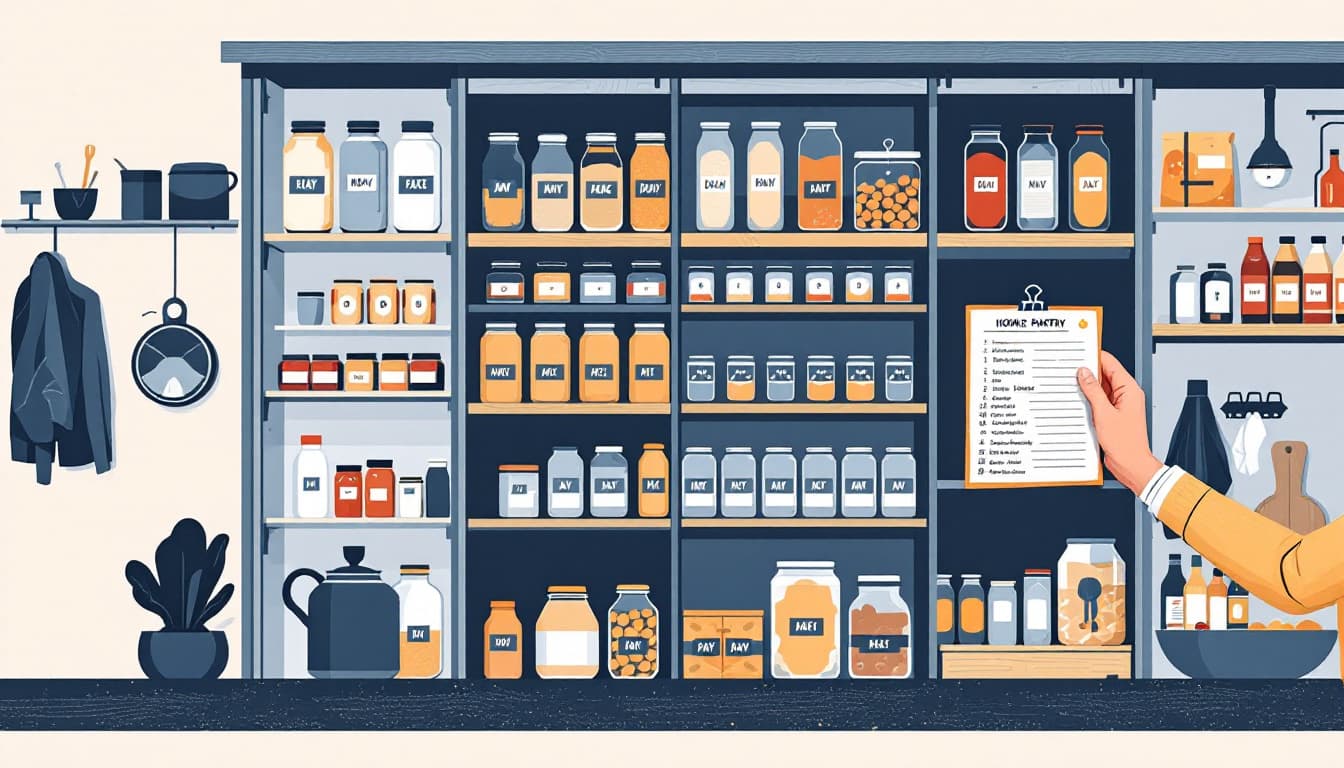
Shift at least part of your pantry toward domestically produced shelf-stable staples. Dried beans, rice, oats, and canned goods from regional processors are less exposed to transoceanic freight disruption than imported specialty foods. Buying a few extra bags on each grocery run — call it 10% of your food budget redirected over three months — builds a meaningful buffer without requiring a dedicated "prepper pantry" overhaul.
Track the categories, not the news cycle. The FDA drug shortage database, the USDA's agricultural supply reports, and the Bureau of Labor Statistics producer price indexes are public, free, and updated regularly. Checking one of these quarterly takes fifteen minutes and will tell you more about actual product availability than any single news story.
Avoid the "buy everything now" trap that landed risk headlines can trigger. When the logistics industry formalizes a risk concept, supply chain media covers it, retail media picks it up, and by the time it reaches consumer consciousness it can sound like a warning to stockpile immediately. The actual implication is slower and more structural: supply chains are repricing their own fragility, and households should do the same — gradually, selectively, without drama.
The bigger picture
The emergence of landed risk as a formal business metric is a sign that the supply chain profession is maturing past the pretense that disruption is abnormal. That's a reasonable adjustment to make after the last several years of actual experience.
For a household, the equivalent adjustment isn't a bunker. It's a slightly deeper pantry, a medicine cabinet that runs ahead of zero, and a habit of checking one or two upstream indicators before a shortage hits your store rather than after.
Durability is a practice, not a purchase. The supply chain industry is just now learning to model it that way, too.