Insurance pricing is a blunt but reliable instrument for measuring risk. When a specialty underwriter builds an entirely new product category around a threat, it means actuaries have looked at the loss data and decided the exposure is real, recurring, and large enough to charge for.
That's what happened this month. Insurance Journal reported that Rokstone's Athena Cyber Division launched a dedicated supply chain extension to its cyber insurance offerings. The product is aimed at businesses, not households. But the signal it sends is worth sitting with: the commercial world is now formally pricing the probability that a cyberattack on one node in a supply chain cascades into losses across many others.
What's actually changing
The supply chain cyber threat isn't new, but its shape has shifted. Earlier incidents — think ransomware hitting a single company's internal systems — were largely contained. What insurers are now covering is a different scenario: an attack on logistics software, port management systems, agricultural processors, or payment infrastructure that disrupts the flow of goods across multiple industries simultaneously.
The 2021 JBS meatpacking ransomware attack briefly disrupted roughly a fifth of U.S. beef processing capacity. The 2023 DP World port cyberattack in Australia held tens of thousands of shipping containers in limbo for days. These weren't abstract corporate problems — they created localized shortages and, in some cases, price spikes at retail that showed up within a week.
Insurers building products around supply chain cyber exposure are betting those events aren't one-offs. They're the new baseline.
For a household, the implication is straightforward: the gaps that appear during these disruptions — a specific protein source, a medication class, a fuel additive — rarely last more than two to three weeks. But that window is exactly the period when most families have nothing to draw on.
What we'd actually do
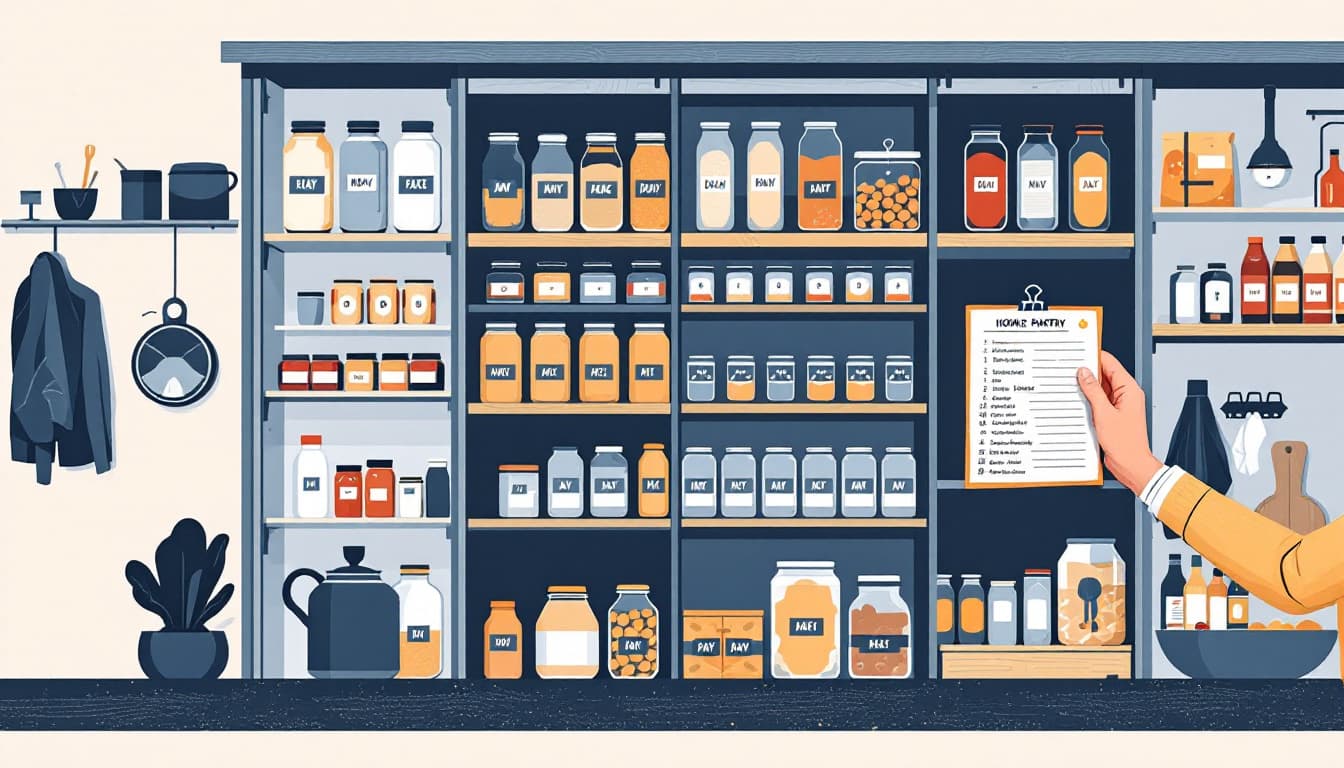
Build a four-week rotating pantry around your actual meal patterns, not a generic "emergency list."
The standard advice to stockpile rice and beans fails most families in practice because neither appears in their normal weekly cooking. Audit the seven dinners your household actually eats. Buy four weeks' worth of the shelf-stable components of those meals. Rotate stock in and out on a quarterly basis. You won't notice the cost if you spread purchasing across six to eight weeks.
Identify your single most critical medication and keep a 30-day buffer.
Pharmaceutical supply chains run lean. Recent FDA drug shortage data consistently shows that generic medications — particularly for chronic conditions like blood pressure, thyroid, and diabetes — face periodic supply disruptions. Most insurance plans will authorize a 90-day fill; use that option and keep the surplus in a consistent location. If your plan won't authorize it, ask your pharmacist about paying cash for a small backup supply.
Know which local grocery alternatives exist within 15 miles.
During the 2024 CrowdStrike outage, point-of-sale systems at several major chains went down regionally for hours. Smaller independent grocers running older or offline systems kept operating. Map your backup options now: a farmstand, a warehouse club with cash-pay capability, an ethnic grocery that stocks different supply networks. Diversity of sourcing is more valuable than volume.
Keep $200–$300 in small bills accessible at home.
Payment infrastructure and ATM networks are cited consistently in cyber-risk threat assessments as high-value targets. This isn't about stockpiling cash for collapse — it's about a 48-to-72-hour window where digital payment may be unreliable. Small bills matter because a $100 bill at a cash-only farmstand during a POS outage creates its own problem.
The bigger picture
The insurance industry is not a preparedness community. It does not catastrophize. When it creates new product lines, it's following loss events that have already happened, not imagining ones that might. Rokstone's move, reported this August, is a data point in a longer trend: corporate risk managers have concluded that cyber-enabled supply disruptions are frequent enough, and costly enough, to warrant dedicated coverage.
For households, the response doesn't require bunkers or bulk silver. It requires the same thing good financial planning requires — a modest buffer against predictable volatility. The families who fared best during recent supply disruptions weren't the ones with six months of freeze-dried food. They were the ones with four weeks of normal groceries, a little cash, and a flexible shopping strategy.
That's a durability posture, not a disaster posture. The goal is to make disruptions boring.