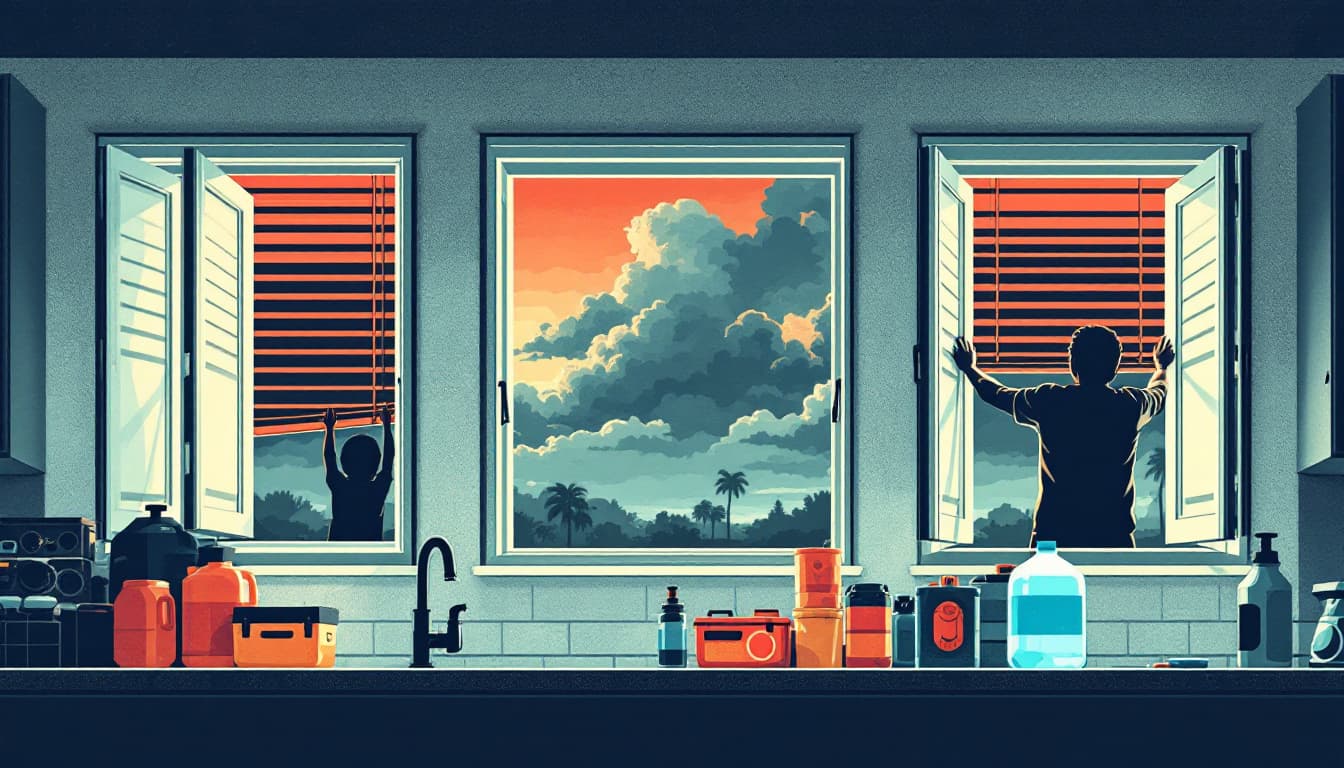
The Atlantic hurricane season opened June 1st. By the second week of the month, the National Hurricane Center was already monitoring a disturbance in the Gulf of Mexico for potential development. The Orlando Sentinel reported on the tracking mid-June. The system may amount to nothing. That's not the point.
The point is that the window is open, and a family that hasn't done its annual readiness reset is now behind the curve.
What's actually changing
Early-season Gulf activity is not historically rare, but it compresses the margin for error. A late-May or early-June storm doesn't give households the psychological runway that a mid-August system does. People aren't yet in storm-season mode. Kids are just out of school. Summer travel plans are half-made. The supply chains that feed hardware store shelves — plywood, batteries, portable power stations, bottled water — haven't yet absorbed the annual regional buying surge, which means supplies are actually available right now in a way they won't be once a named storm is three days out.
The other shift worth naming: post-storm recovery timelines have lengthened in recent years. Grid restoration after major landfalling storms now routinely stretches past two weeks in hard-hit areas, according to utility post-event reports. FEMA's own household guidance has moved from a 72-hour baseline to a two-week self-sufficiency target. That is a meaningful change in what "prepared" actually means for a family.
Flood insurance is also worth mentioning here. Policies through the National Flood Insurance Program require a 30-day waiting period before coverage takes effect. If you don't have a policy and a named storm is forming in the Gulf, you cannot buy effective coverage in time. That ship has sailed.
What we'd actually do
Check your flood insurance status this week, not when a watch is posted. If you are in a FEMA-designated flood zone and you let your NFIP policy lapse, or if you've never carried one, call your insurer Monday. The 30-day waiting period means the only useful time to act is before the season produces a credible threat. Even homeowners well outside Zone A have seen flood losses from storm surge and drainage failures that standard homeowner policies don't cover.
Audit your power situation for a two-week outage, not a two-day one. A cooler and a bag of ice handles a weekend. It does not handle 12 days in July heat. Walk through your household's medical, food, and communication needs and ask what fails on day three without grid power. A standalone battery bank for phone charging and a small fan costs around $100-150 at current prices and solves a surprising number of comfort and communication problems without requiring a generator or fuel storage.
Restock your go-bag consumables right now, while shelves are normal. Prescription medications are the most commonly overlooked item. If a family member takes a daily medication, confirm there are at least seven days of buffer supply. Pharmacies in evacuation corridors run out. Many insurers will authorize an early refill once per year — call and ask.
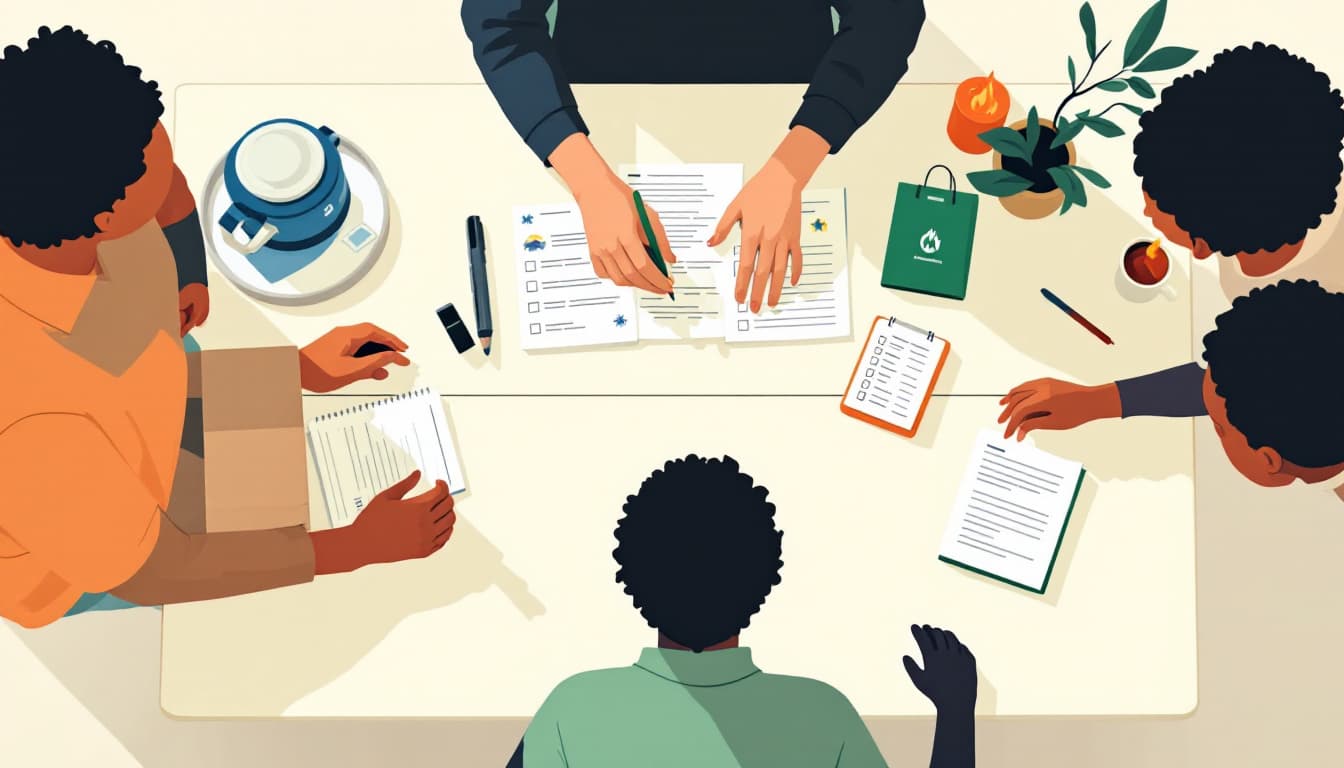
Write down your evacuation decision rules before you need them. The cognitive load of a 48-hour storm approach is high. Families that haven't pre-decided "we leave when a Category 2 or higher is within 72 hours of our county" end up making that call at 11 p.m. while watching radar. Write the trigger. Write the destination. Write who calls whom. Put it in your phone's notes app.
Take five minutes to photograph every room in your home and upload the images to cloud storage. Insurance claims after a total loss are processed faster and more accurately when you can document what you owned. It takes less time than this article took to read.
The bigger picture
A disturbance in the Gulf in mid-June is not the end of the world. Atmospheric forecasting is genuinely good enough that a family with two or three days of warning and a plan can protect most of what matters. The goal of seasonal readiness isn't to live in a state of dread from June through November. It's to do the boring administrative work in the calm so that when the cone appears on the map, the decisions are already made.
Durability doesn't look like a bunker. It looks like a folder with insurance documents, a car with a full tank, and a family that knows where it's going.