The middle of July is when summer produce is supposed to be cheap. Tomatoes from local farms, stone fruit piling up at the end-caps, corn in bulk bins. This year, FreshFruitPortal.com reported this week that grocery prices in the U.S. are rising again, and the produce section — the one category most households assumed would give them seasonal relief — is part of the problem.
That's the signal worth paying attention to.
What's actually changing
Price increases at the grocery store are not new, but the pattern this cycle is different from 2022's inflation spike. That one was broad: meat, dairy, packaged goods, everything at once. What's been building through 2025 and into 2026 is more concentrated in fresh categories — produce, eggs, and some proteins — driven by a tighter combination of factors: continued labor cost increases in agricultural regions, shipping and cold-chain expenses that haven't fully normalized, and weather-related yield disruptions that are hitting growing regions in overlapping ways rather than isolated incidents.
The practical effect on a household grocery run: the categories that used to serve as budget relief are no longer reliable shock absorbers. When fresh vegetables cost as much per pound as canned or frozen alternatives, the usual strategy of "buy fresh in-season, buy shelf-stable off-season" breaks down. Families who built their grocery budgets around that rhythm are finding the math doesn't work the way it did two years ago.
There's a second-order effect worth naming. When produce prices rise, families shift toward more processed, calorie-dense foods to hit their budgets. That's a nutritional tradeoff that compounds over months, not weeks. It's not a crisis — it's a slow drift that's worth interrupting deliberately.
What we'd actually do
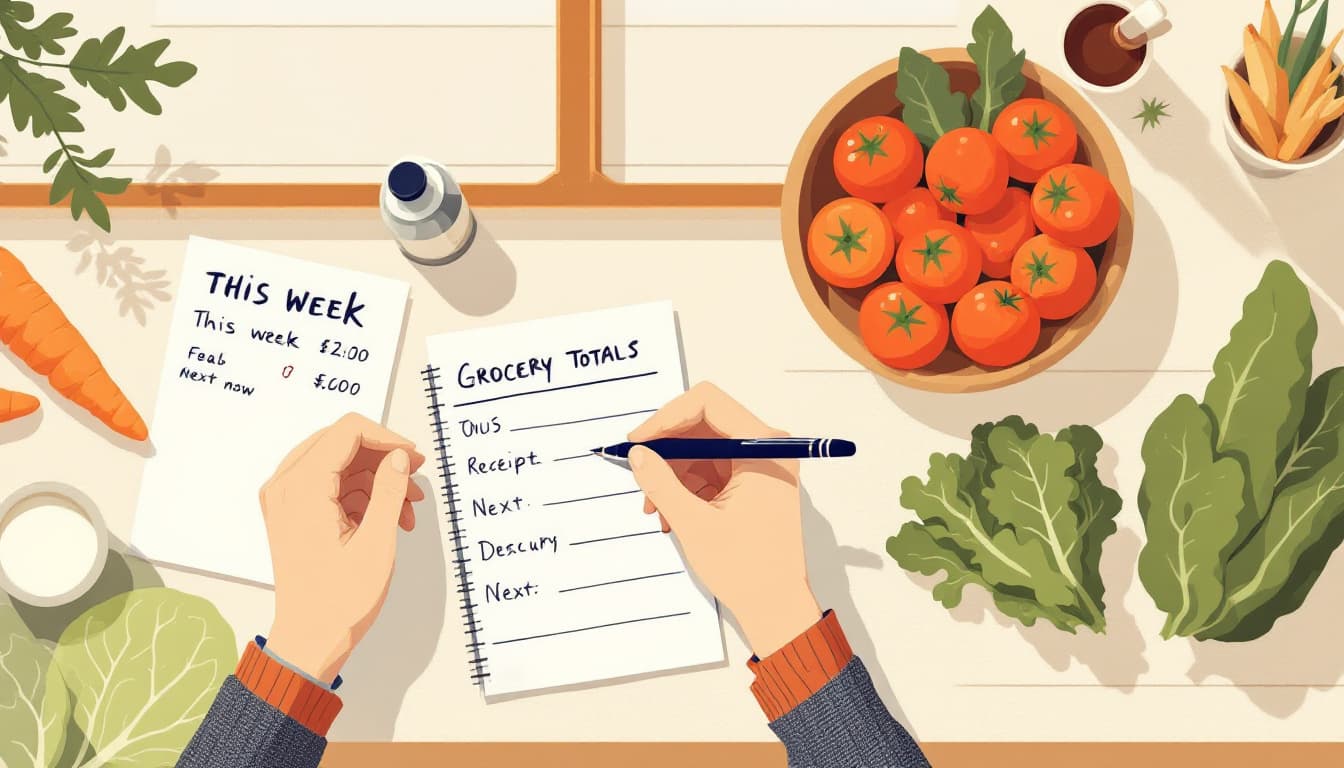
Rebaseline your grocery budget against actual receipts, not memory. Pull your last four weeks of grocery receipts or bank statements and calculate your real per-person, per-week food cost. Most households are operating on a mental budget that's 6-12 months out of date. You cannot make good substitution decisions without knowing where you actually are.
Start there because gut estimates are almost always wrong in this environment. People consistently underestimate what they're spending on food when prices have risen gradually. A 15-minute reconciliation exercise will tell you whether you have a budget gap to close or whether you've already unconsciously adjusted.
Shift one-third of your fresh produce budget to frozen. Frozen vegetables are harvested and processed at peak ripeness, their nutritional profile is comparable to fresh, and their per-serving cost is substantially lower right now. This isn't a downgrade — it's a market-aware substitution. The one-third threshold is deliberate: it preserves the cooking habits and meal variety that make a diet sustainable without requiring a complete overhaul.
Add one shelf-stable protein to every weekly shop until you have a six-week supply. Canned fish, dried lentils, canned beans — adding one unit per week is low-cost and builds a buffer against future price spikes without requiring a single "prepper run" to a warehouse store. A six-week protein supply means a price spike doesn't force an immediate substitution; you have time to shop around.
Shop produce at ethnic grocery stores for at least one trip this month. Latino, Asian, and Middle Eastern grocery chains in most metro areas consistently price fresh produce 20-40% below conventional supermarkets for the same items. This is not a secret — it's a structural difference in supply chains and margin expectations. If you haven't tried this, that price gap will surprise you.
Plan two meals per week around whatever produce is on markdown. Most grocery stores mark down produce that's two to four days from its sell-by date to 50% or more. This requires flexibility in your weekly menu rather than a fixed shopping list, but it's the highest-leverage single habit change for a household that cooks regularly.
The bigger picture
Grocery prices have risen in some form in most of the last four years, and the expectation of further normalization keeps getting pushed out. That doesn't mean crisis. It means the era of treating food costs as a fixed and predictable household line item is over for now.
The households that will navigate this best are not the ones who stockpiled the most or panicked the soonest. They're the ones who stayed flexible, kept their information current, and made small, deliberate substitutions before the pressure forced their hand. Durability in a household budget looks like adaptability, not a fortress.