A box of cereal that cost $6.49 last summer does not become a good deal at $5.99. That's the quiet problem inside the price-cut announcements rippling through major grocery chains right now.
OregonLive.com reported this week that several large grocery retailers are making public commitments to lower prices, positioning the moves as relief for shoppers who've absorbed years of food inflation. The framing is generous. The reality, for a family working a real grocery budget, is more complicated.
What's actually changing
Grocery chains cut prices on specific SKUs — usually the ones competitors have already discounted, or the ones most visible to price-conscious shoppers doing quick comparisons. They do not cut prices on everything. They may, simultaneously, reduce package sizes or reformulate products in ways that are harder to track. Promotional pricing is also not the same as structural pricing: a "price cut" that runs for eight weeks and then quietly reverts is a marketing event, not a reset.
The broader context matters here. Food-at-home prices, according to recent BLS data, remain substantially above where they were four years ago, even as the rate of increase has slowed. A nominal cut from an elevated baseline is still an elevated price. Chains announcing reductions are, in most cases, trimming from peaks — not returning to the price levels families built their budgets around in 2021.
There's also a geographic variable. Price cuts announced at the corporate level land differently depending on which regional banners carry them, how competitive the local market is, and whether the store near you runs lean on inventory to protect margins. Oregon shoppers in Portland's competitive urban grocery market may see different results than shoppers in smaller towns with fewer options.
None of this means the announcements are meaningless. Real competition on price, sustained, does help households. It just rarely helps them as much as the press release implies.
What we'd actually do
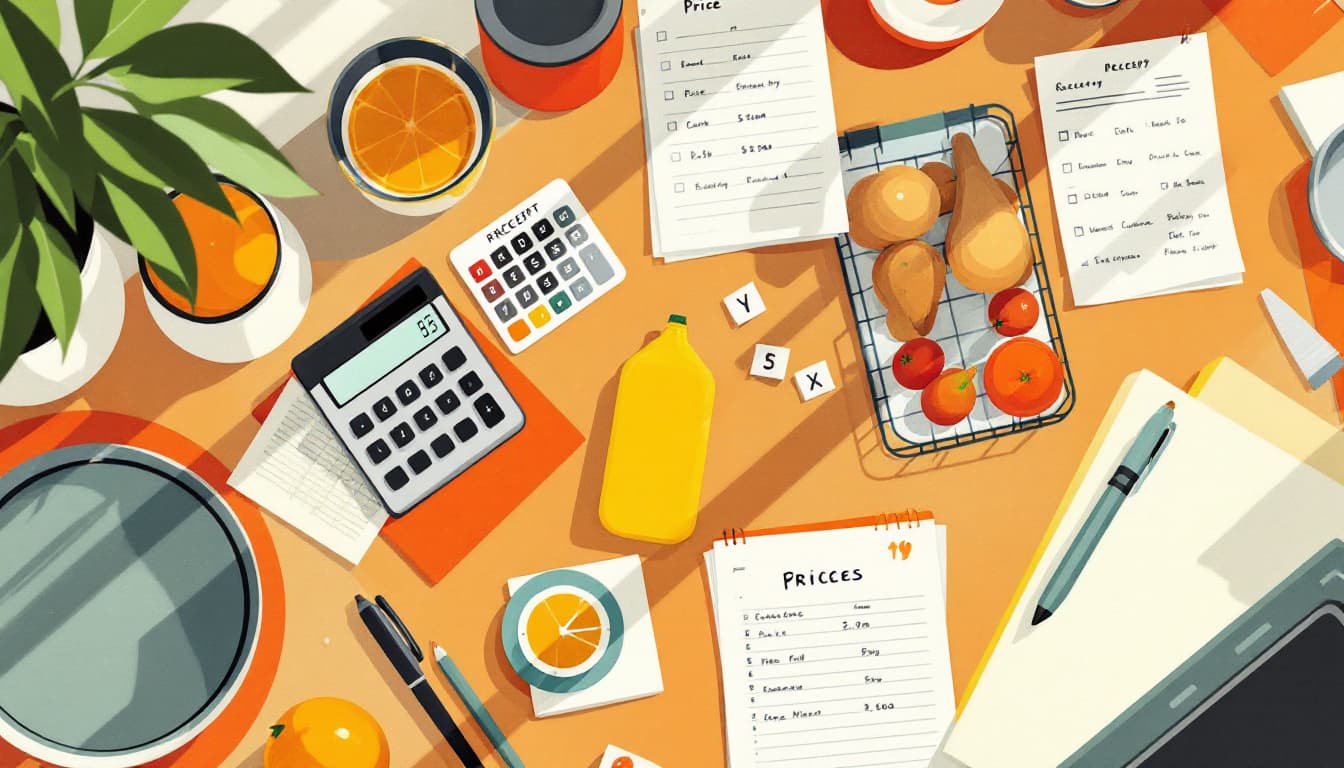
Pull your last four weeks of grocery receipts and build a price log for your 20 most-purchased items. One spreadsheet, two columns: item name, price per unit. This takes about 30 minutes once and becomes the single most useful tool for evaluating whether a "price cut" is real at your store. Without a baseline, you're accepting the retailer's framing. With one, you can see exactly which items moved and which didn't.
Shift your anchor products to store-brand or unit-price comparisons for the next 60 days. The brands most likely to receive promoted price cuts are national labels — because those cuts are partially funded by manufacturer trade spending. Store brands don't get that treatment, but they also didn't inflate as aggressively. If you haven't priced your store's house brand against the "discounted" national brand lately, do it now. The gap is often wider than it looks.
Build a small dry-goods buffer on items where the unit price is genuinely down. This is not about stockpiling. It's about buying 2-3 extra units of pasta, rice, canned tomatoes, or cooking oil when the price is demonstrably lower than your baseline log shows. Buying ahead at a real low is the most straightforward hedge against the cut being temporary — and most of these cuts are, historically, temporary.
Check your store's loyalty program structure before assuming the posted price applies to you. Several major chains now structure their "sale" prices as loyalty-card prices, meaning the discount is gated behind an account that also captures your purchasing data. That's a reasonable trade some households are comfortable with. It's worth knowing that's the exchange you're making.
The bigger picture
The grocery pricing cycle is not new. Chains inflate, face pressure, announce relief, and the relief is partial and uneven. What's useful about this moment is that it creates an opening — competitive pressure tends to be most real right after it's announced, before it fades into the background. Households that are paying attention right now can lock in some genuine savings. Households that take the press releases at face value and stop tracking will find, in a year, that the "cuts" mostly didn't stick.
Durable household finances don't depend on retailers doing the right thing. They depend on families knowing their own numbers well enough to notice when the right thing isn't happening.