Stand in the cereal aisle of any mid-size grocery chain this month and the sticker shock is not subtle. A box that cost $4.50 two years ago is now $6.29. The eggs that briefly came back down are creeping up again. Ground beef hasn't moved in the direction anyone hoped.
MS NOW reported this week that a federal policy response to climbing grocery prices is likely to be ineffective — that the proposal on the table doesn't address the structural reasons costs are rising. That assessment tracks with what economists who study food supply chains have been saying for months: retail food prices are being pushed by a layered set of pressures that no single policy lever is designed to fix all at once.
What's actually changing
Food price inflation never fully reset after 2021-2022. According to recent BLS data, grocery prices remain significantly above pre-pandemic baselines even where annual increases have slowed. What's happening now is a second compression: input costs (fuel, packaging, labor, feed grain) stayed elevated, and several are ticking back up due to ongoing shipping disruptions and new import tariffs on certain agricultural inputs.
Avian influenza pressure on egg and poultry supply has not fully resolved. Drought conditions in key growing regions are affecting produce and grain yields. And consolidation in the meat-processing sector means fewer facilities absorbing supply shocks, so when one plant has a disruption, regional prices spike faster than they used to.
The policy response being debated in Washington is largely focused on retail-level price controls or rollback incentives — mechanisms that address the symptom (the shelf price) rather than the causes (input costs, supply concentration, logistics bottlenecks). Price controls in food retail have a poor historical track record; they tend to produce shortages or quality substitution rather than sustained relief for shoppers.
None of this means disaster. It means the grocery budget pressure your family is feeling right now is structural, not temporary, and it's not going away on a political timeline.
What we'd actually do
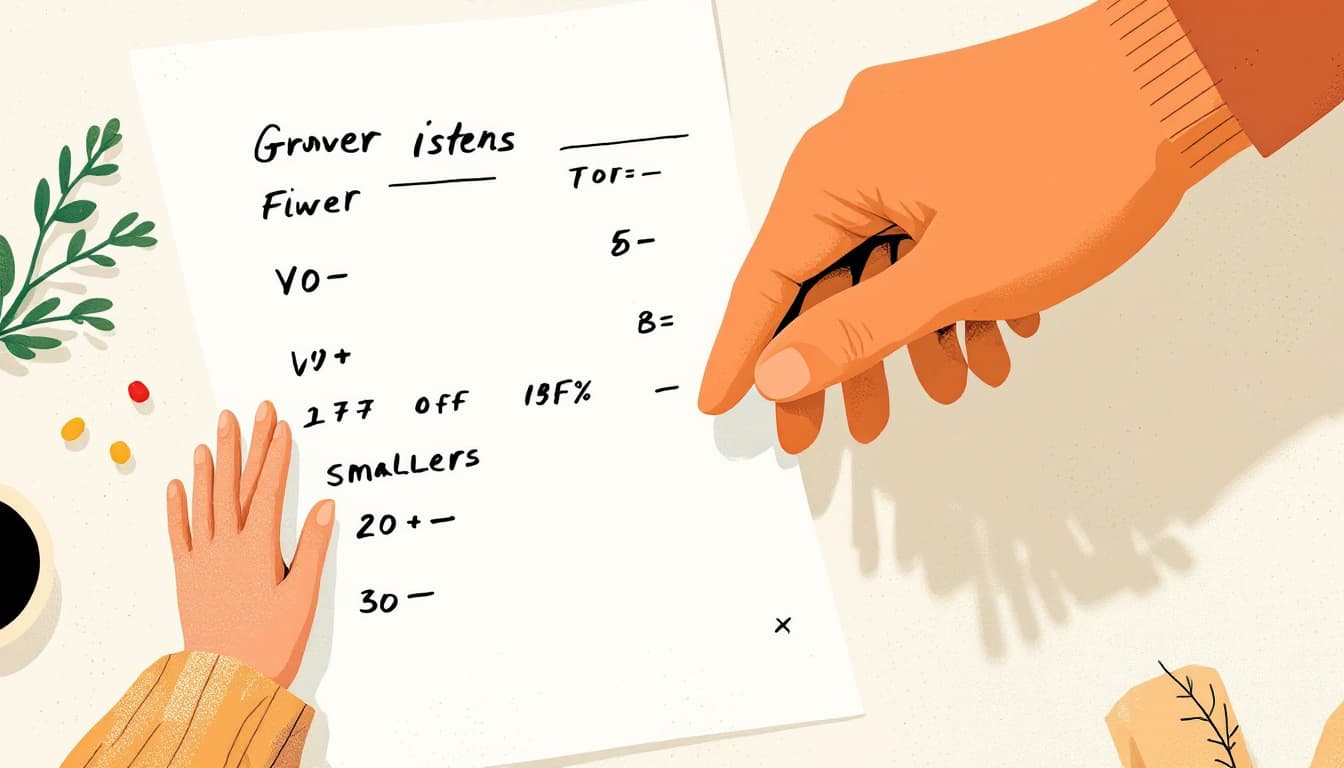
Shift your shopping unit from "item" to "price per usable ounce." This sounds obvious but most households don't do it consistently. Bulk buying only saves money if you're comparing the right unit and if the product gets used before it spoils. Take one hour this week to audit the 10 items you buy every week and calculate the per-ounce cost across store brand, name brand, and any warehouse option available to you.
This single habit — measuring cost by usable unit rather than package price — typically identifies 15-25% in immediate grocery savings without changing what you eat. It also trains you to notice when a "sale" is actually just a smaller package at the same price per unit, which is increasingly common.
Build a one-month pantry buffer on the items you already use, not a doomsday cache. The preparedness community often pushes toward six-month or year-long stockpiles of freeze-dried everything. That's expensive, takes space, and most families don't rotate it well. A more durable approach: identify the 12-15 shelf-stable items your household actually consumes, and keep one extra month of each on hand, bought at the best unit price you can find. When prices jump — as they are now — you're insulated for 4-6 weeks while you adapt. That buffer also lets you buy strategically when something goes on sale rather than out of immediate need.
Add one protein source your family doesn't currently use. Eggs, canned fish, dried lentils, and dried beans are still among the lowest-cost complete or near-complete protein options available. If your household relies heavily on ground beef or chicken breast, you're exposed to the most volatile price segments right now. Adding one alternative — even one meal per week — meaningfully reduces your exposure to meat price spikes without requiring a lifestyle overhaul.
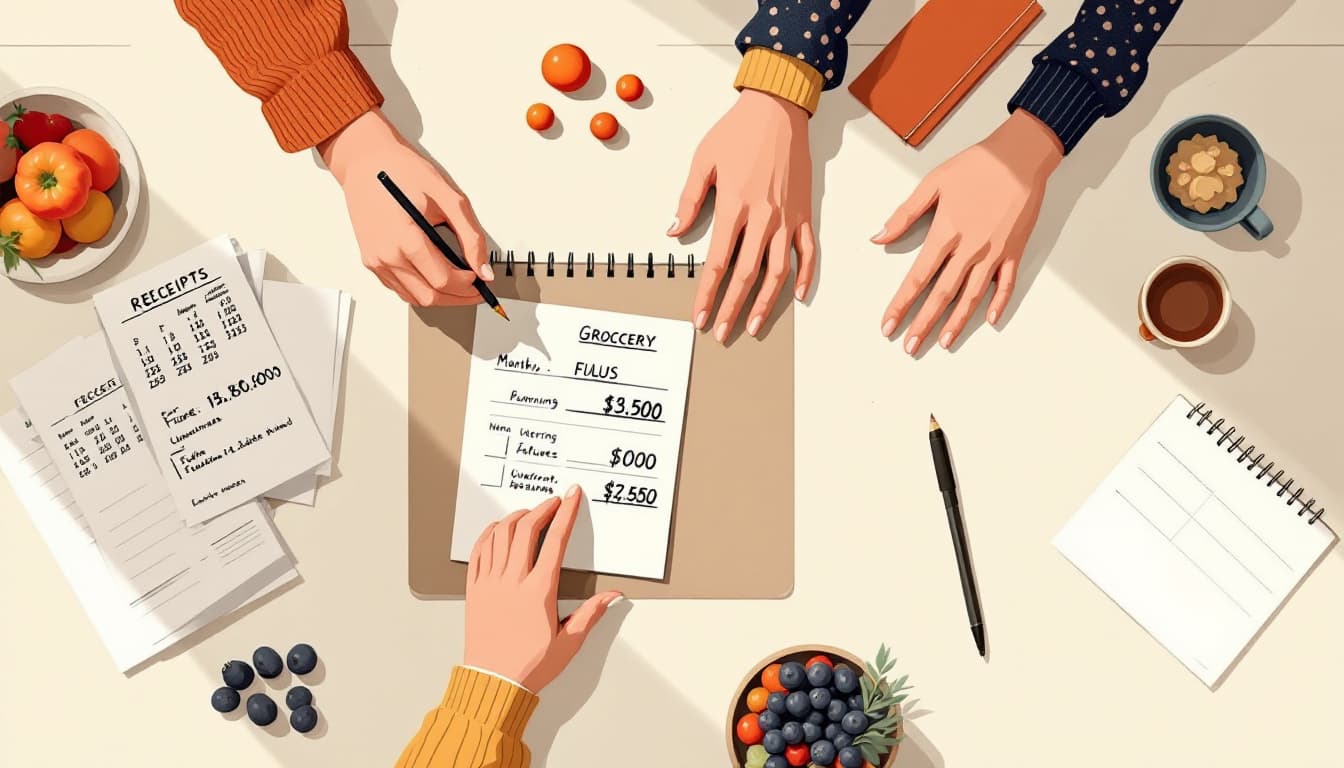
Track your actual grocery spend for 30 days. Not an estimate. Not a guess. The actual number. Most households underestimate grocery spending by 20-30% because they exclude gas-station snacks, convenience stops, and food ordered through apps. You cannot optimize what you haven't measured.
The bigger picture
What MS NOW's reporting points to — and what's worth sitting with — is that household food costs are now a durable planning variable, not a passing disruption waiting for a political fix. Families that build flexible, rotating pantries and price-conscious buying habits are not preppers in the bunker sense. They're just households that stopped treating food as infinitely elastic in the budget.
The goal isn't to survive a collapse. It's to be the family that doesn't panic-buy or go into credit card debt when prices spike 12% in a quarter — because you already adjusted your system months ago.
That kind of durability is available to most middle-income households. It doesn't require a lot of money. It requires about four hours of setup and a change in how you think about the grocery store: not as a place you react to, but as a market you can navigate.