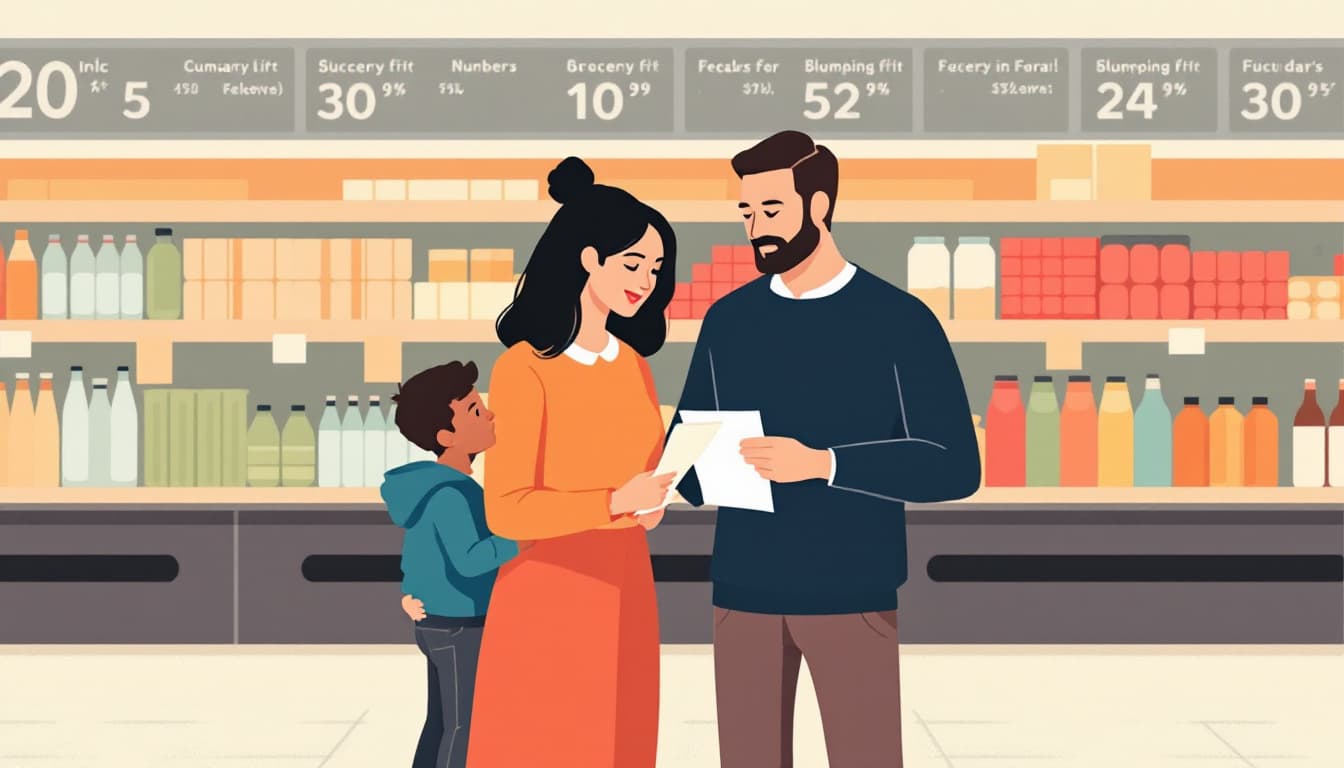
Walk through any mid-range supermarket on a Wednesday evening and the carts look different than they did two years ago. Not empty — but lighter. Fewer units. More deliberate stops in front of the shelf-price tags.
A report this week from CNBC put data behind that observation: U.S. grocery shoppers are buying fewer items per trip, and the trend is deepening. This is not about trading down to store brands, which is an older story. This is unit compression — households removing line items from the list entirely.
What's actually changing
The distinction matters. When shoppers switch from name-brand cereal to private-label cereal, food companies lose margin but volumes hold. When shoppers stop buying the second box of cereal altogether, volumes fall. The CNBC report signals the latter is now the dominant pattern, and it is putting pressure on food manufacturers who had already absorbed years of input-cost increases.
For households, this shows up in two ways. First, cumulative inflation in grocery categories — still running above pre-2021 baselines according to recent BLS data — has finally hit a ceiling on what budgets can absorb. Second, and less discussed: pantry drawdown. Many families spent 2022 and 2023 stocking up on shelf-stable goods when prices spiked. Those stocks are now being consumed, reducing the felt urgency to replenish at current prices. Fewer trips, lighter baskets, slower restocking.
Neither of these dynamics is permanent, but together they create a specific risk for households that treat the pantry as a zero-sum budget line: when the drawdown ends and restocking becomes necessary, prices may be higher than they are right now, and the habit of buying less will have reduced the buffer.
There is also a supply-chain angle. When retail volumes drop sharply and fast, manufacturers and distributors adjust production and logistics to match. That creates brittleness. A weather event, a port disruption, or a sudden demand spike — any of the routine disruptions we cover here — hits harder when supply chains have been trimmed to lean demand signals.
What we'd actually do
Restart modest, systematic restocking now rather than waiting for a better moment. The instinct to buy less when money is tight is rational at the individual transaction level, but it erodes resilience. Pick two or three shelf-stable categories your household actually uses — canned proteins, dried legumes, cooking oil — and add one extra unit per shopping trip. At $3 to $6 per item, a month of this habit rebuilds a meaningful buffer without a single large outlay.
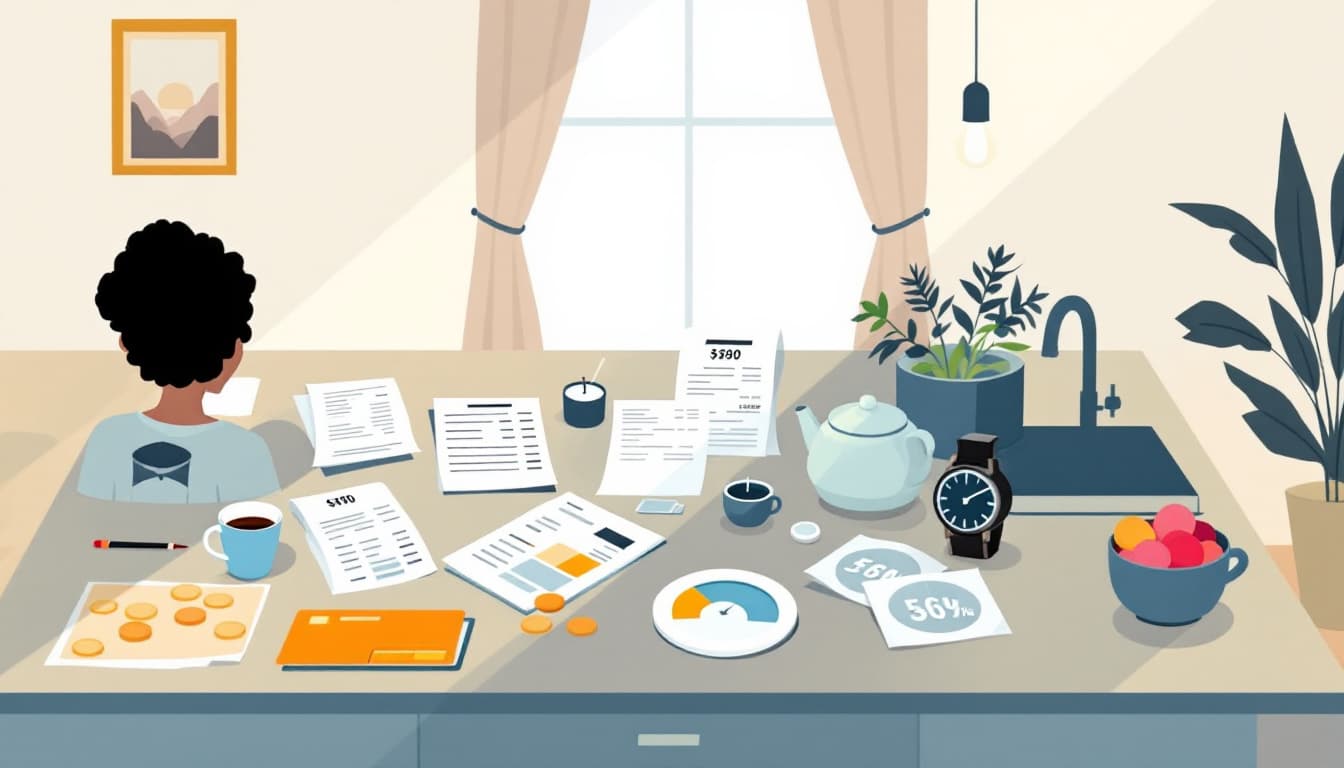
Audit what's already in the pantry before buying anything. Pantry drawdown is real, and many households don't have a clear picture of what's left. A fifteen-minute inventory — pen and paper, not an app — tells you whether you're actually thin on supplies or just feeling budget pressure. These are different problems with different solutions.
Compare unit prices across formats and store types this month. This is a good time to do a quarterly price check across the stores you have access to. Club-format stores, ethnic grocery stores, and discount grocers frequently price staples 20–40% below conventional supermarket shelf prices on identical goods. If you haven't recalibrated where you buy what in the last year, you're probably leaving margin on the table.
Treat any financial breathing room as a restocking window, not a discretionary-spending window. If a tax refund, a bonus, or a reduced bill frees up cash this summer, the case for putting a portion toward consumable household inventory is stronger than it's been in a while. Not because catastrophe is coming — but because prices on food staples are more likely to be higher in six months than lower, and you'll eat everything you buy regardless.
Reduce single-use and convenience food spending before reducing staple quantities. The basket-shrinkage data suggests households are cutting broadly. A more durable approach is to protect staple volumes while cutting higher-cost convenience items: pre-marinated proteins, single-serve packaging, ready-made sauces. The same calories and nutrition at meaningfully lower per-unit cost.
The bigger picture
Grocery basket compression is a lagging indicator. By the time it shows up clearly in retail data — as it now has, according to CNBC — households have already been absorbing pressure for months. The goal of a well-run household emergency posture is never to react to the lagging indicator. It's to stay slightly ahead of it.
A three-month pantry isn't survivalism. It's the same logic as an emergency fund: you build it when you can so you don't have to scramble when you can't. The current moment — when prices are elevated but stable, supply chains are functional, and stores are well-stocked — is exactly the kind of ordinary window that preparedness is built on.
Durability doesn't require a crisis. It just requires not waiting for one.