The orange juice you bought last week was priced against a freeze that happened months ago. That's not a glitch — it's how agricultural supply chains work, and most households have no mental model for it.
A recent report from the Daytona Beach News-Journal traced why Florida cold damage from earlier in the year is still driving up prices at checkout. The piece focuses on local impact, but the pattern it describes is national. When a growing region takes a hit, the price signal doesn't arrive at the store immediately. It arrives when the damaged crop fails to show up at the distribution center, which is weeks to months later. By then, most consumers have forgotten the weather event entirely and just see an unexplained price increase.
What's actually happening here
Florida produces a large share of the country's domestic citrus and a meaningful portion of its winter vegetables. A hard freeze doesn't destroy inventory that's already in transit or in cold storage — it destroys what would have been harvested next. That gap between damage and depletion is why prices lag.
The delay runs roughly six to sixteen weeks depending on the crop. Leafy greens move faster through the system; citrus and tomatoes take longer. By the time a freeze's full effect shows up in the grocery aisle, the news cycle has moved on and the cause-and-effect relationship is invisible to shoppers.
That invisibility is the problem. Families who don't understand the lag tend to treat the price spike as random — something that will resolve on its own shortly. Sometimes it does. But when a freeze is significant enough to reduce yield across an entire growing season, "shortly" can mean six months or longer, and prices may not return to prior baselines even then if input costs have shifted.
Recent USDA market data has shown persistent elevation in several produce categories well past the growing disruptions that caused them. That's not unusual. It's the pattern.
What we'd actually do
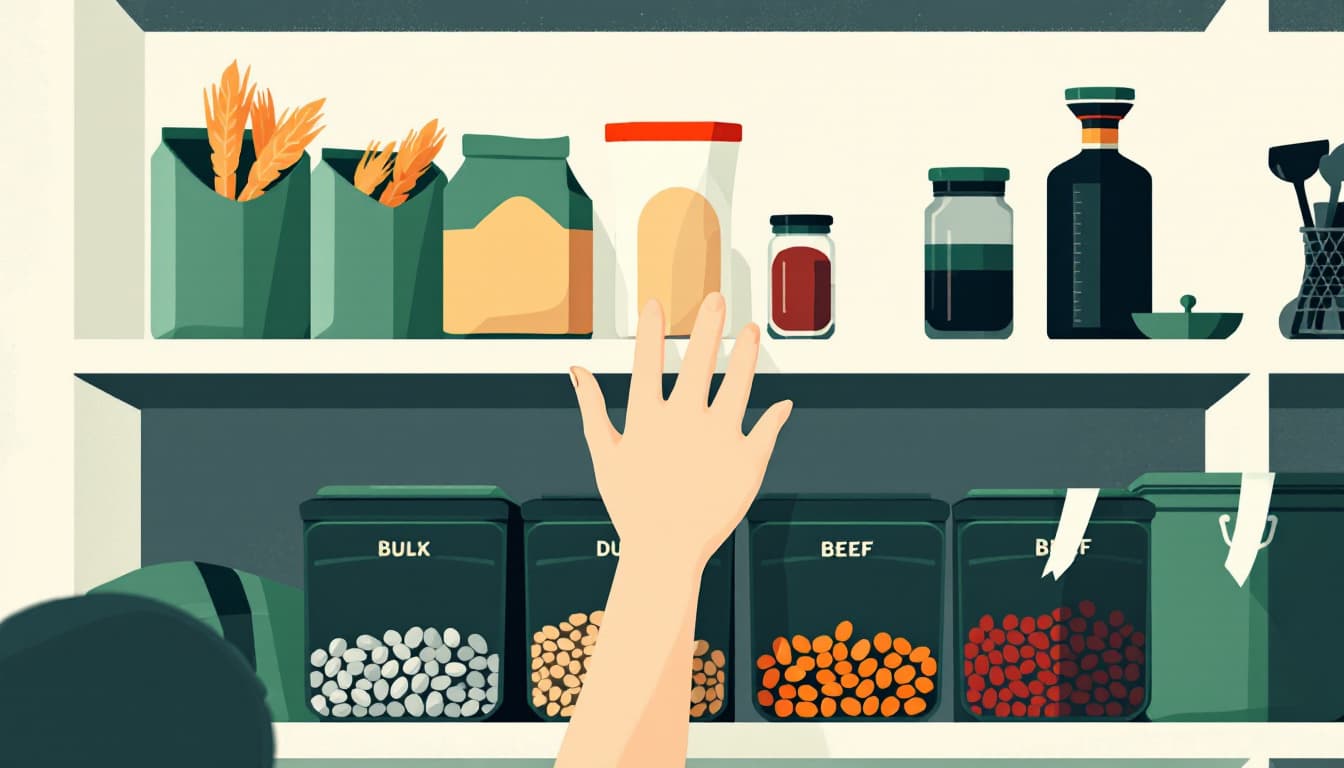
Stock the items being hit right now, at today's price, before the next disruption hits. Canned citrus, 100% orange juice concentrate, canned tomatoes, and shelf-stable tomato paste have long shelf lives and track closely with fresh produce price cycles. If fresh Florida tomatoes are expensive in June, canned tomatoes sourced from last season are often still at pre-spike prices. That window closes. Buying six to twelve cans now costs roughly the same as two or three fresh tomatoes at spike prices, and you've insulated yourself from the next event.
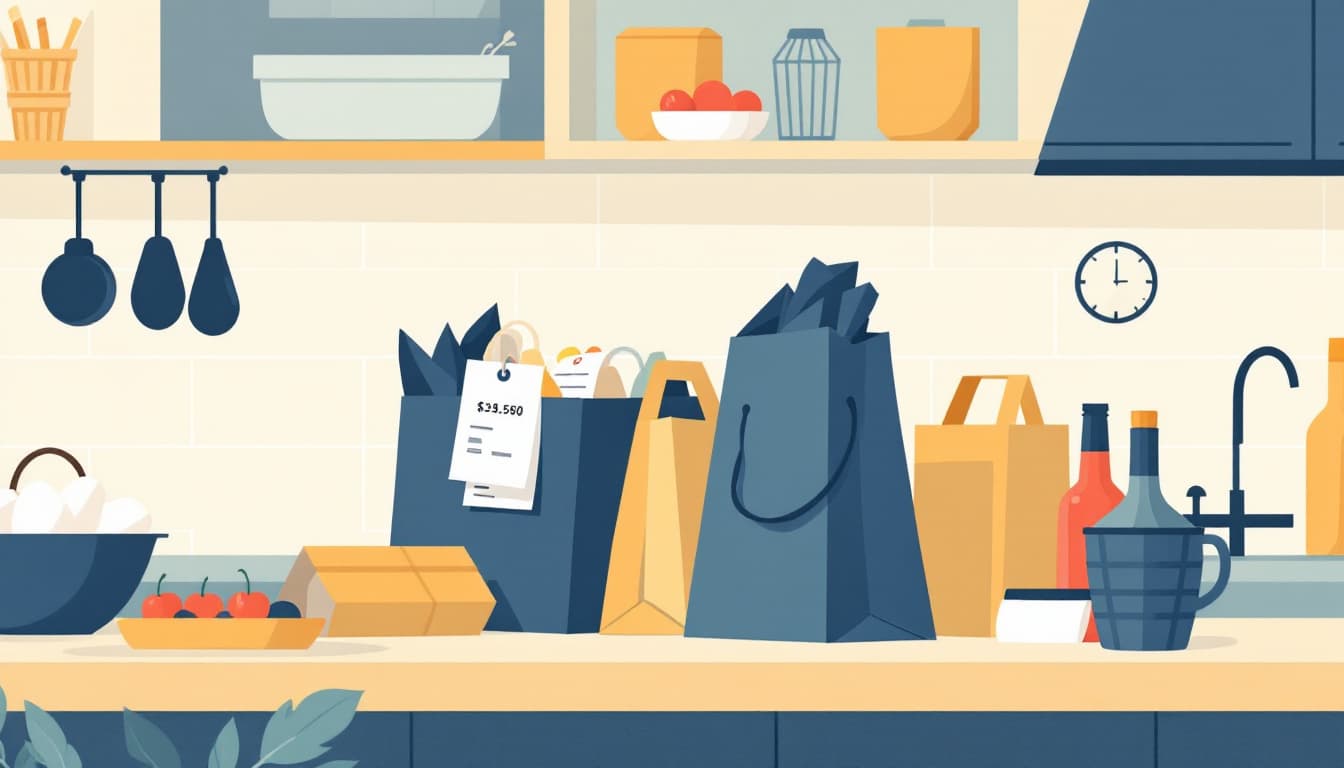
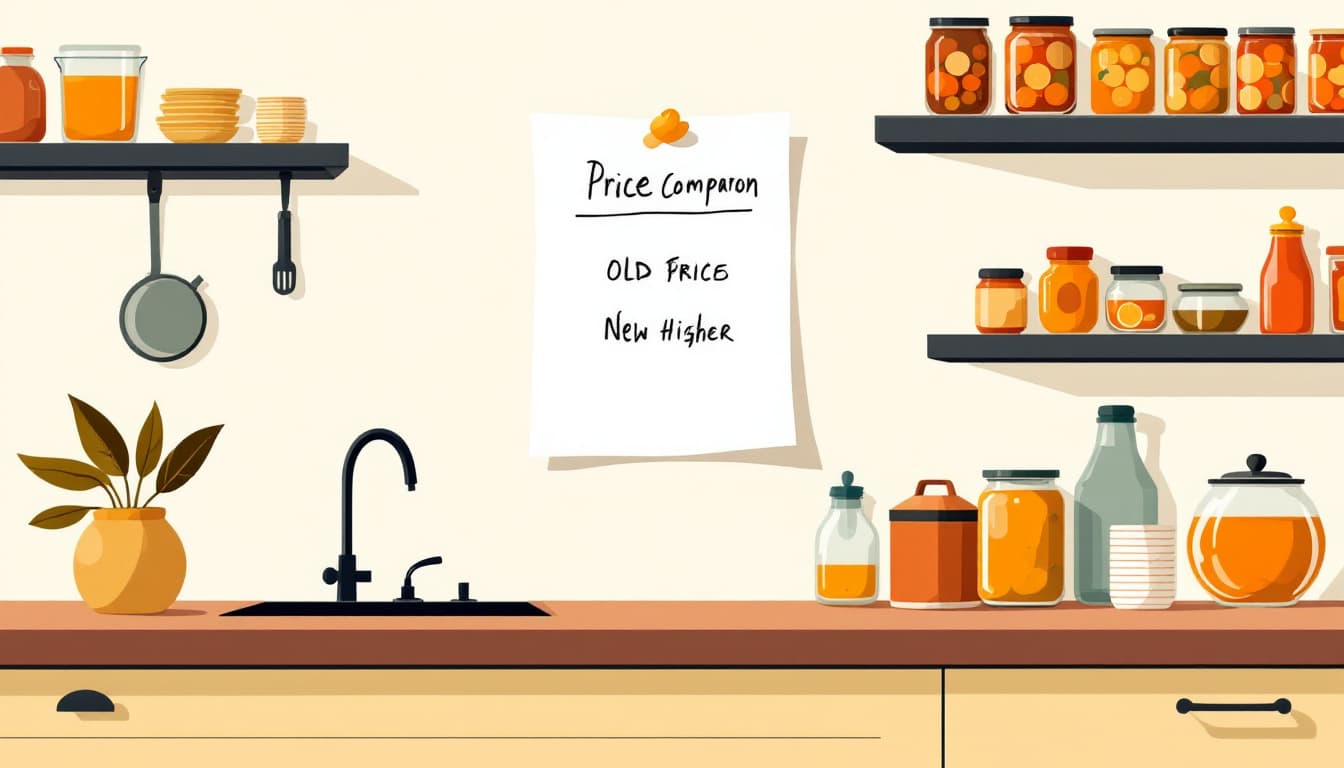
Build a simple "price memory" habit. Take a photo of your grocery receipt once a month and save it to a folder. After six months you have a personal inflation baseline for the twenty items your household actually buys. No app required. This matters because published inflation indices average across thousands of products — your household's actual exposure depends on what you eat, and a freeze affects your bill very differently if you eat a lot of produce versus mostly shelf-stable proteins.
Diversify your produce sourcing, even slightly. A CSA share, a small container garden, or a relationship with a local farm stand doesn't eliminate your exposure to Florida growing disruptions, but it adds a lane that isn't affected by the same single-origin event. A four-by-eight raised bed can supply a family with lettuce and herbs from April through October in most U.S. climates. Seed packets cost two dollars.
When a weather event hits a growing region, make a note. Florida freeze, California drought, Midwest flooding — write the date down. Then check your grocery prices eight to twelve weeks later for categories tied to that region. You'll start to see the lag yourself, and that visibility changes how you shop.
The bigger picture
No single freeze, drought, or flood is a catastrophe for a prepared household. The trouble is cumulative exposure: three or four overlapping growing disruptions across different regions in the same year, each adding two to five percent to a specific category, arriving on different timelines, with no obvious single cause visible at the register.
That's the environment families are navigating. It doesn't require a bunker or a five-year food supply. It requires a pantry with some depth, a price memory, and the habit of paying attention to agricultural news the same way you pay attention to gas prices.
The goal isn't to predict every disruption. It's to make sure the next one doesn't find you flat-footed at the store, buying at the top of the spike because you have no buffer at home.