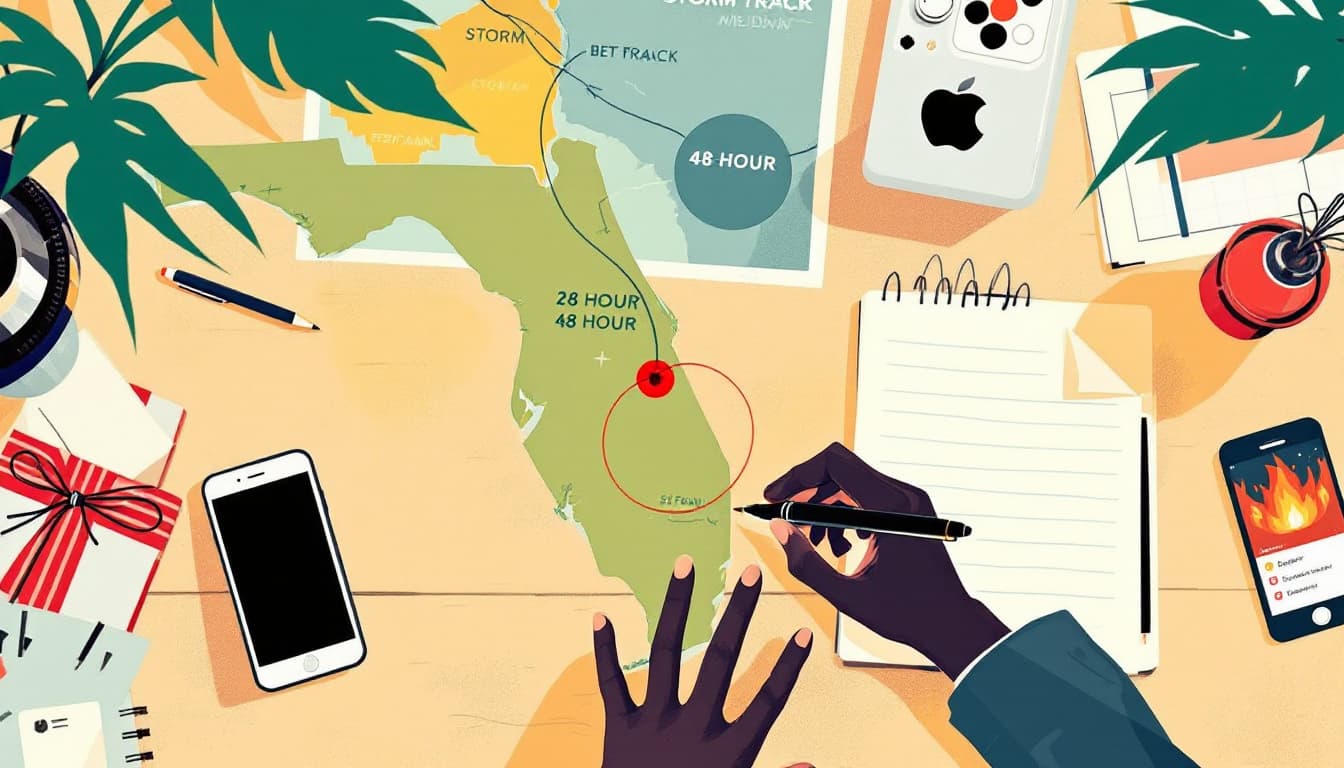
A USA Today report this week placed Tropical Storm Bertha on a path toward Florida, with forecast updates moving fast enough that the projected track will likely shift several times before the storm makes any decision for you. That uncertainty is the point. The cone is a probability range, not a promise, and the residents who fare best are the ones who don't wait for the cone to narrow.
July is early-season. That tends to produce a specific kind of unreadiness: Floridians who survived last year's close calls but haven't yet cycled out their supplies from the garage, checked their shutters, or confirmed their evacuation zone. Early-season storms also tend to move faster than the late-September behemoths, which compresses your prep window.
What's actually different about a July storm
Atlantic tropical storms in July typically interact with drier air and less-favorable upper-level conditions than peak-season storms, which can suppress rapid intensification — but not eliminate it. The Gulf of Mexico's loop current, which runs warm enough to fuel fast strengthening, doesn't care about the calendar. A storm that looks manageable at tropical storm strength on Monday can cross hurricane thresholds before Thursday.
Florida's geography makes the track matter enormously. A storm making landfall on the southwest coast near Tampa Bay or Charlotte Harbor faces a shallow coastal shelf that amplifies storm surge in ways that wind speed alone doesn't capture. A track toward the Atlantic side hits a different shoreline profile. Know which coast you're closest to and look up your county's surge zone designation at the Florida Division of Emergency Management site — not a third-party map, the official one.
What we'd actually do
Check your zone assignment before you do anything else. Florida uses lethal surge zones A through F. Zone A floods first, often before peak winds arrive. If you're in Zone A or B and Bertha's track puts your county in the forecast cone, that's your signal to start moving, not to wait for an official evacuation order.
The evacuation order follows the zone. Zone designations are assigned by your county emergency management office and are stable — they don't change storm to storm. Look yours up now at floridadisaster.org, not during the 36-hour scramble when the site slows to a crawl.
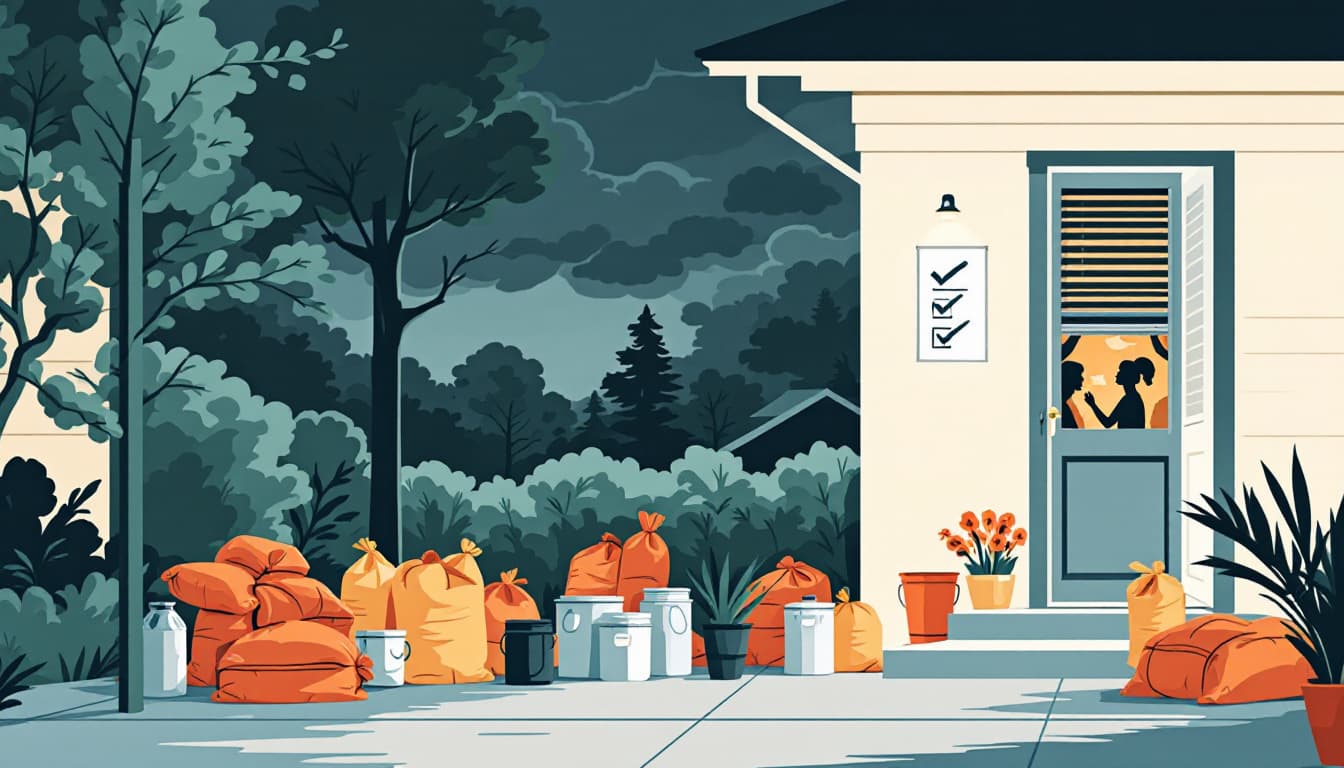
Audit your water supply in the next 24 hours. FEMA's standard guidance is one gallon per person per day for at least three days; Florida's heat and the likelihood of post-storm power outages push that toward seven days for a family of four. That's 28 gallons minimum, stored in food-grade containers, not repurposed milk jugs. If you don't have it, store shelves will be bare within 48 hours of any serious forecast.
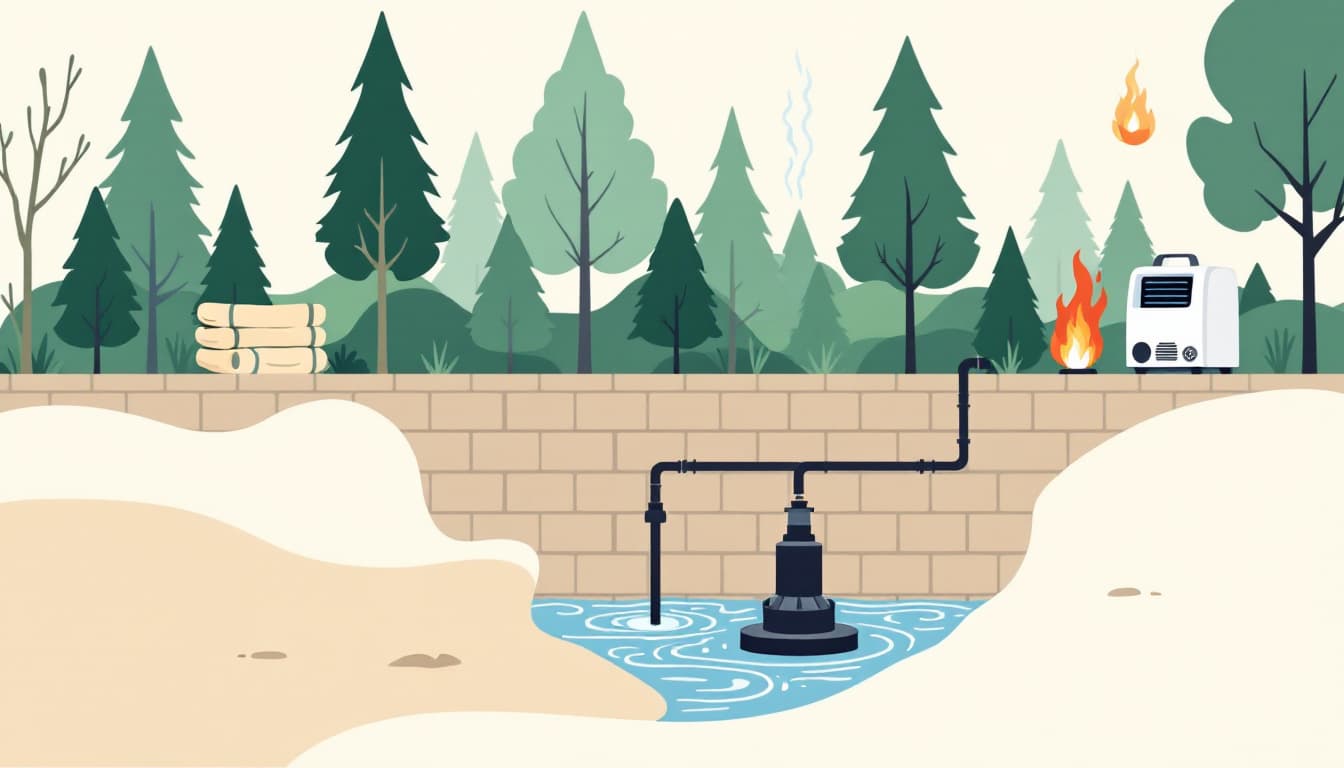
Test your generator or inverter today, not the night before landfall. A generator that hasn't run since last October may have a gummed carburetor from ethanol-blended fuel sitting in the tank. Run it under load for 20 minutes now. If it doesn't start cleanly, you have time to get it serviced or buy a fuel stabilizer treatment.
Photograph every room of your home and upload the images to cloud storage. This takes 15 minutes and is the single highest-return action for post-storm insurance claims. Do it before the storm, not after, when you'll be cataloging damage instead of documenting what existed.
Confirm your prescription medication supply. Post-storm pharmacy disruptions in Florida can last one to three weeks. If you or anyone in your household takes a daily medication, call your pharmacy now and ask about a 30-day emergency fill. Florida law allows emergency dispensing before a declared disaster — pharmacists can often authorize it ahead of a Governor's emergency declaration.
The bigger picture
Bertha may wobble north into open Atlantic and miss Florida entirely. That's a plausible outcome. It's also true that the households who act in the next 48 hours will be no worse off for having done so, and the households who waited through the last near-miss and the one before that are accumulating a deficit of readiness that compounds each season.
The goal is not to be maximally prepared for the worst storm in recorded history. The goal is to be prepared enough that a Category 1 or a strong tropical storm is an inconvenience rather than a crisis. That's a low bar, and most Florida families can clear it with a few hours of deliberate effort — before the cone narrows, before the lines form at Home Depot, and before the forecast becomes a certainty.