The Oklahoma Farm Report flagged this week that drought conditions across the state are holding even as scattered rain chances appear on the forecast. That's the agricultural version of being handed a glass of water after three days without food. Welcome, but not the point.
Oklahoma sits at the center of two supply chains that reach every American household: winter wheat and beef cattle. When the soil there stays stressed into late spring, the consequences don't stay in Oklahoma.
What's actually changing
Drought in Oklahoma isn't a single-season story. The state has cycled through drought conditions repeatedly over the past several years, and producers have adjusted — some by drawing down herds early, some by fallowing fields they'd normally plant. Each of those responses has a price signal that shows up later.
For wheat: winter wheat planted last fall in stressed soil and then carried through a dry spring yields less per acre. That reduction in domestic soft red and hard red winter wheat doesn't vanish — it gets absorbed into import adjustments, futures pricing, and eventually flour and bread costs at retail. The lag is typically measured in months, not years.
For beef: cattle liquidation during drought — when ranchers sell animals they can't feed — initially puts more beef on the market and can briefly suppress prices. The hangover comes one to two years later when herd rebuilding begins and fewer animals are moving to slaughter. Recent USDA cattle inventory reports have already reflected a national herd near multi-decade lows. An Oklahoma drought that continues into summer tightens that further.
None of this is a collapse scenario. It's a slow, compounding pressure that hits families who are already managing tight grocery budgets.
What we'd actually do
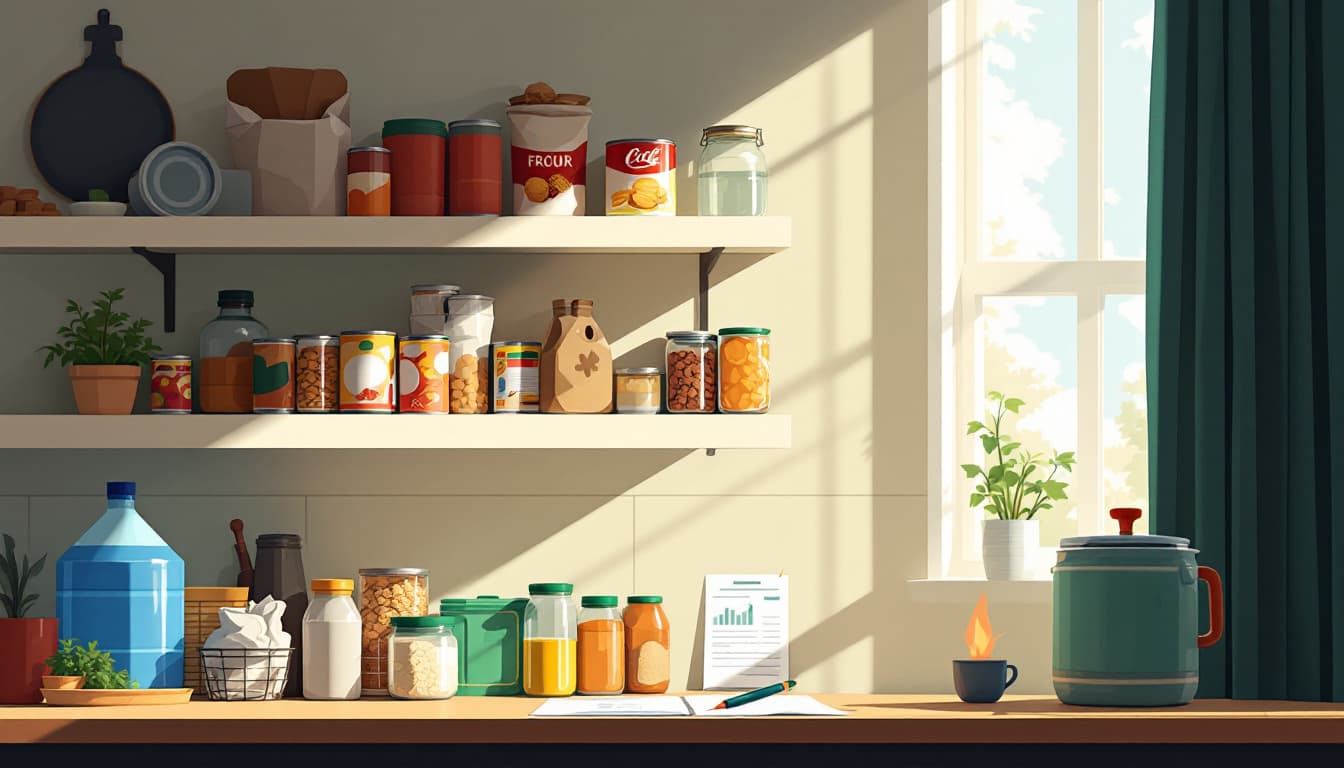
Build a 30-day flour and grain buffer now, before summer heat sets in. Wheat-based staples — all-purpose flour, whole wheat flour, rolled oats, pasta — store well in sealed containers and represent some of the most cost-efficient calories a household can stockpile. A family of four can buffer 30 days of grain-based meals for well under $60 at current prices. If milling costs rise this fall as this season's harvest numbers come in, you'll have bought ahead of the increase.
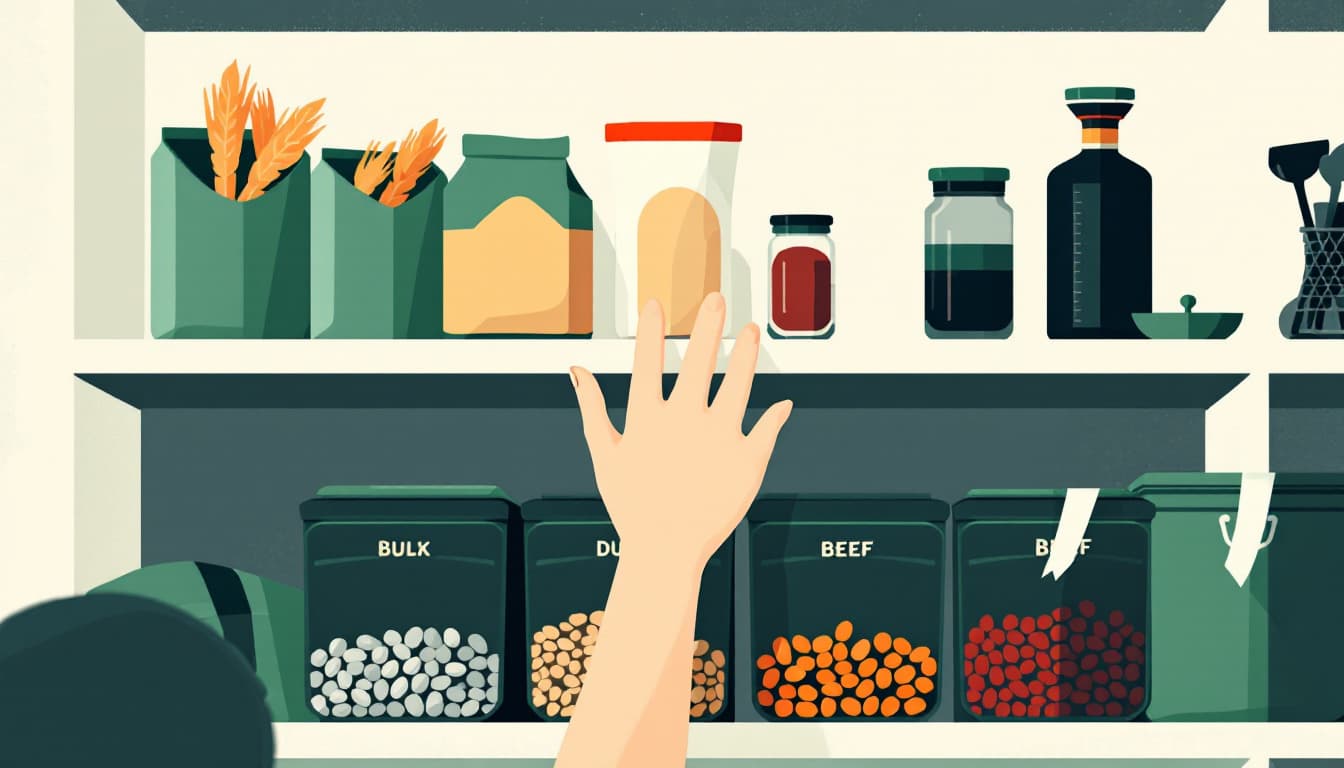
Freeze or preserve beef during any near-term price softness. If cattle liquidation is happening now, beef prices may be temporarily softer at the case level than they'll be in 12 to 18 months. A chest freezer running at capacity costs roughly $3 to $5 a month in electricity. Buying ground beef, chuck roast, or whole cuts in bulk during a soft-price window and freezing them is one of the few genuine arbitrage moves available to a non-commercial household.
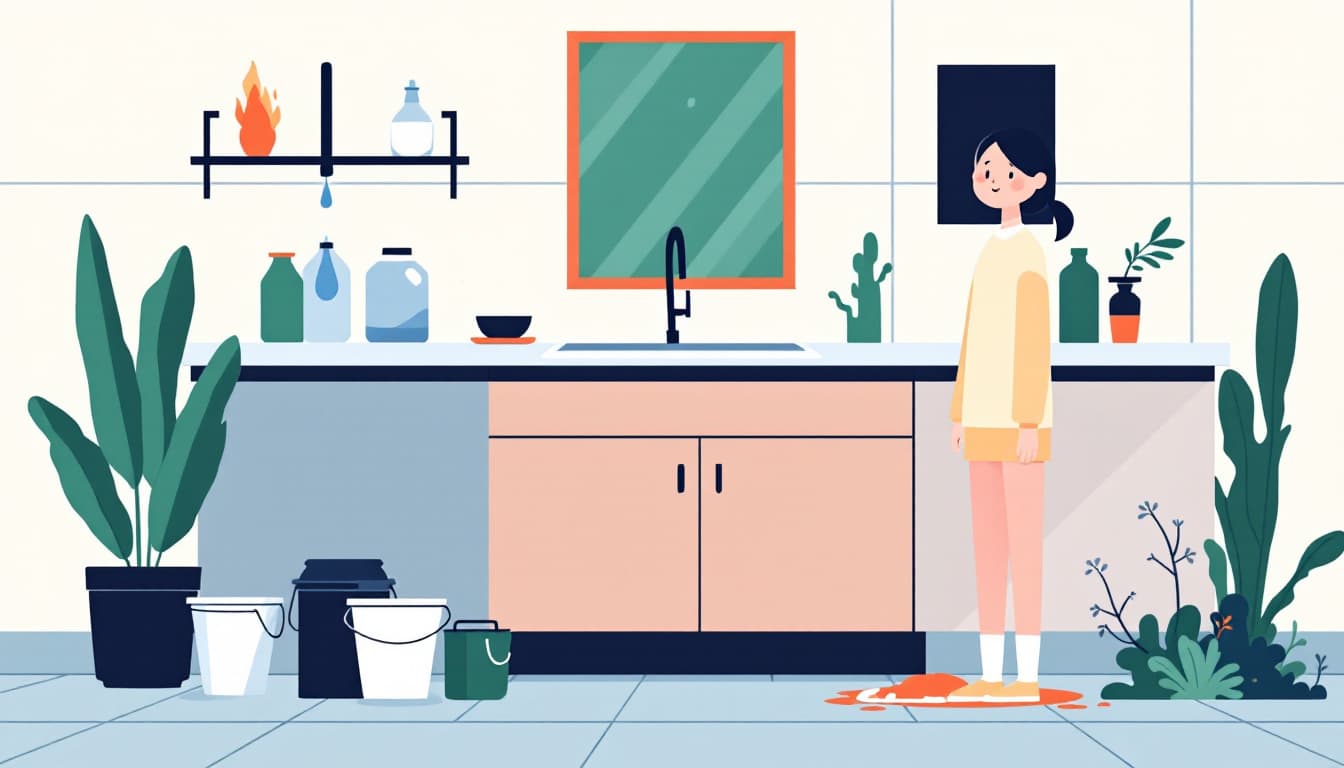
Audit your water storage against a two-week dry scenario. Drought reporting focuses on agriculture, but municipal water systems in smaller Oklahoma cities and towns are subject to the same aquifer and reservoir pressures. FEMA's baseline guidance is one gallon per person per day for drinking and sanitation. A family of four needs 56 gallons for two weeks. Most households are not close to that. Food-grade 5-gallon jugs, filled and rotated every six months, are a $15-per-jug investment that addresses multiple risk scenarios, not just this one.
Check whether your area sources produce from the Southern Plains. Apps like Flashfood or your grocery chain's origin labeling can tell you where your tomatoes, onions, and peppers are sourced. If you're heavily dependent on one drought-stressed region, rotate your sourcing toward the Pacific Northwest or Midwest when produce from those areas is priced competitively.
The bigger picture
A single drought season in one state is not a food crisis. But the pattern over the past several years — persistent dryness in the Southern Plains, declining national cattle inventory, weather variability that makes planting decisions harder — is the kind of slow-moving structural pressure that preparedness is actually designed for.
The goal isn't to panic-buy a year of freeze-dried meals. It's to build enough buffer that you're not making urgent, expensive grocery decisions at exactly the moment everyone else is. Thirty days of grain staples, a chest freezer with protein, and basic water storage: that's a family that can absorb a lot of supply disruption without feeling it.
Durability is the point. Not readiness for catastrophe.