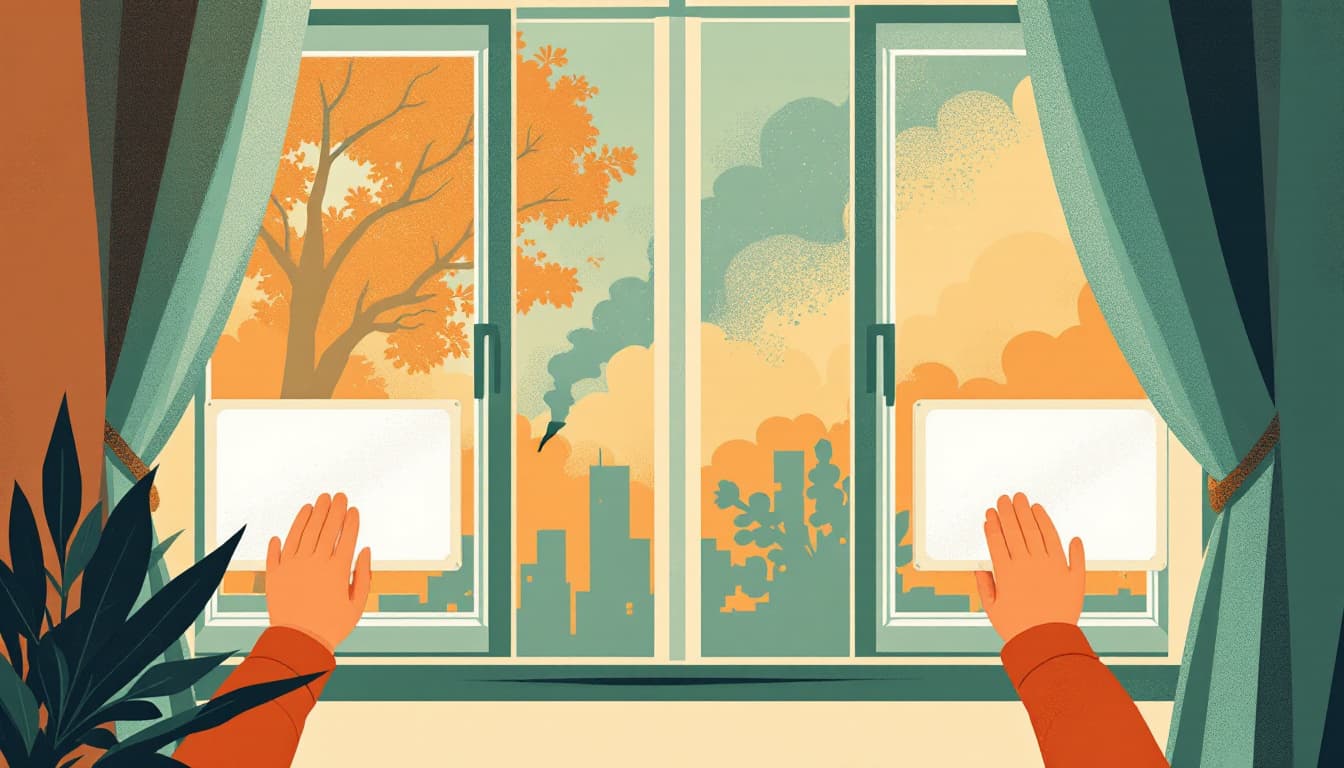
A wildfire moving through the Everglades in Broward County does not look like a California ridge fire. There are no dramatic canyon winds, no homes perched on hillsides. What there is: a vast, flat sawgrass system that burns hot and low, pushing a wide column of particulate-laden smoke east and northeast — directly toward some of the most densely populated zip codes in Florida.
A report this week from CBS News described the fire scorching thousands of acres and raising air quality concerns across the region. The Florida Forest Service and Broward County emergency managers have been monitoring conditions. What the news cycle moves past quickly, households have to live with for days.
What's actually changing
South Florida's wet season — which should be suppressing fire risk by now — has arrived late or unevenly in recent years. The Everglades system holds enormous fuel loads when dry conditions linger into June and July. When it ignites, the smoke isn't just an inconvenience. Fine particulate matter (PM2.5) from peat and sawgrass fires can remain elevated for 48 to 72 hours across a broad downwind area, even when the fire itself is being managed.
The specific problem for Florida homes: most of them are not built for smoke intrusion management. Unlike homes in the Pacific Northwest or California, where wildfire season has prompted more awareness of air filtration, Florida households typically run central AC systems that pull outdoor air in through leaky envelopes — built for heat and humidity control, not smoke exclusion. A house that feels "sealed" often isn't.
Renters face the same risk with less control over their HVAC systems. Children, older adults, and anyone with asthma or cardiac conditions face disproportionate exposure. Broward County's population density means that even a day of moderate AQI elevation affects hundreds of thousands of people.
The Florida Division of Emergency Management maintains air quality advisories through DEP's AirNow partnership. Checking airnow.gov with your zip code during any active fire event in the region gives you a real-time AQI reading that's more reliable than a general news alert.
What we'd actually do
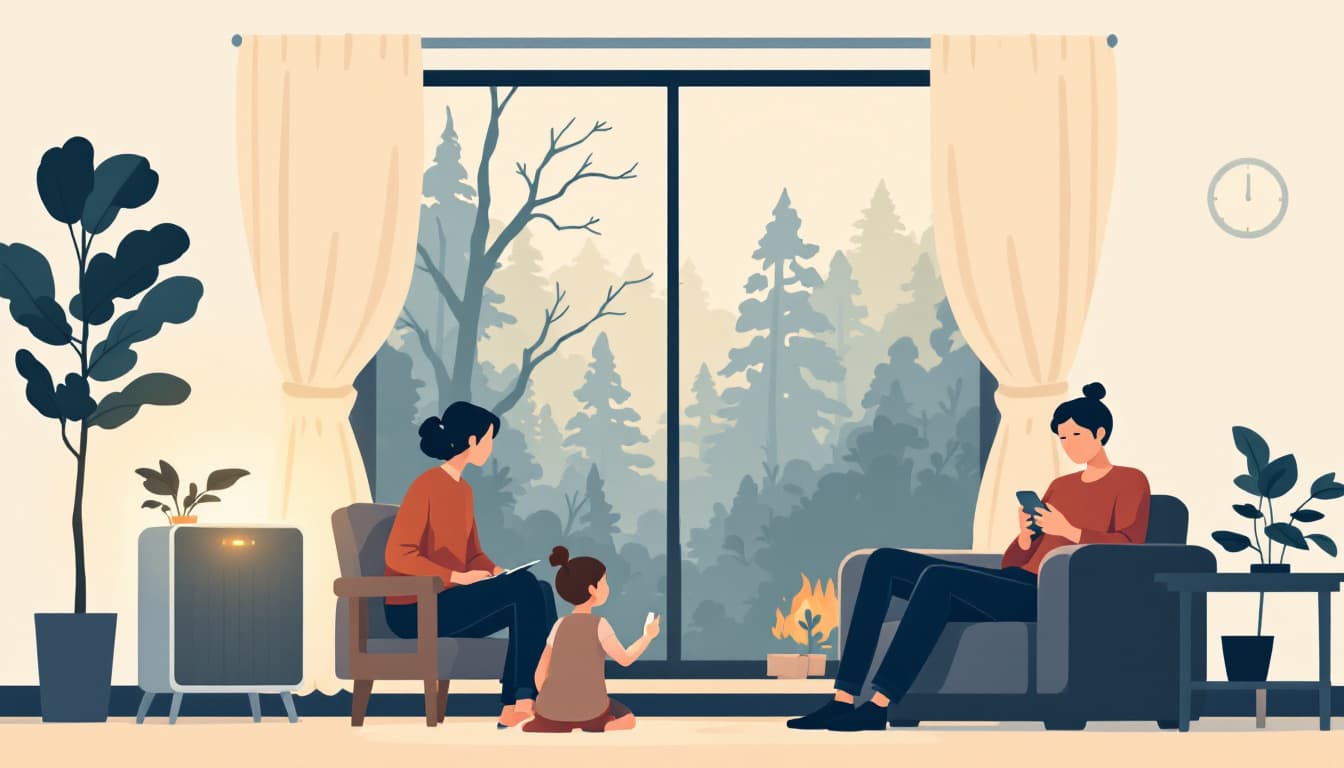
Get a HEPA air purifier sized for your main living area, and run it now. Not "eventually." A unit rated for 200–300 square feet costs $60–$120 and can reduce indoor PM2.5 meaningfully during a smoke event. If you already have one, confirm the filter isn't past its rated lifespan. Run it in the room where you sleep and where children spend most of their day.
Set your central AC to recirculate mode during active smoke events. Most Florida split systems and central air handlers have a setting that stops drawing fresh outdoor air. Find that setting before you need it. On a standard thermostat or air handler, this is often labeled "recirculate" or controlled by closing the fresh-air damper. If you rent and don't know where this is, ask your property manager now — not during a smoke event.
Stock N95 masks for outdoor movement. Florida households that prepared for hurricane season often have N95s from COVID-era supplies. Check them. An N95 worn correctly filters PM2.5 effectively. Cloth masks and surgical masks do not. If you have none, a box of 10 N95s costs $15–$20 at most hardware stores and serves double duty for mold cleanup after flooding.
Know your household's vulnerable members and have a plan. If you have a family member with asthma, COPD, or a heart condition, smoke events require an early decision — not a reactive one. That might mean spending a day with family farther from the fire zone, or identifying which room in the home holds the cleanest air. Make that call when AQI hits orange (101–150), not when it hits red.
Bookmark the Florida Forest Service's active fire map. It's at floridaforestservice.com and updates regularly during active incidents. Paired with AirNow's zip-code AQI tracker, you have a two-signal system that tells you whether the fire is growing toward you and what the air looks like where you are. That's more actionable than waiting for a county alert.
The bigger picture
Florida doesn't have a wildfire identity the way that California or Colorado does, and that gap in awareness is the real hazard. The Everglades have always burned. What's changing is the timing, the fuel accumulation, and the number of people downwind. Broward County's suburban edge runs directly against the eastern Everglades — a geography that makes smoke events a recurring household concern, not a once-a-decade outlier.
Durability as a household means having one HEPA filter, knowing where your AC recirculation switch is, and having N95s in a drawer. None of that requires a large investment. It just requires treating smoke as a Florida hazard the same way you treat flooding and heat — which is to say, as a given, not a surprise.