In early August, Federal Reserve Governor Lisa Cook told an Anchorage business audience she remains committed to bringing inflation back to the Fed's 2% target, according to the Anchorage Daily News. The setting was unusual — Alaska is not a typical stop on the central bank speaking circuit — but the message was standard Fed discipline: patience, data-dependence, no premature pivot.
What the speech did not address, because it wasn't designed to, is what a prolonged higher-rate environment actually feels like inside a household that already stretched its budget during the post-pandemic price surge and has not fully recovered.
What is actually changing
The Fed's language around inflation has shifted from "transitory" to "persistent" to, now, something closer to "stubborn but controllable." That arc matters because each shift quietly reset expectations for when relief arrives — and families made financial decisions inside each of those expectation windows.
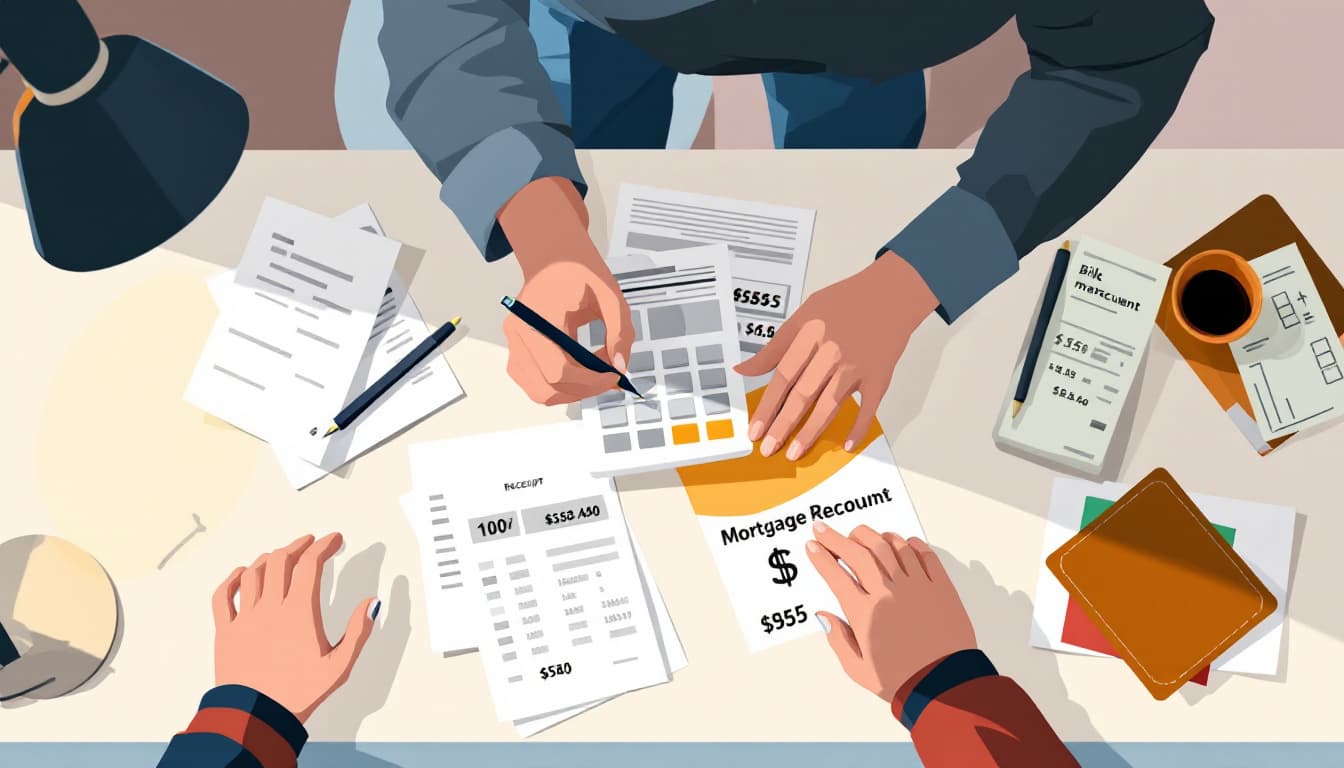
If you locked in a fixed-rate mortgage two years ago, you are largely insulated from rate policy. If you carry a variable-rate home equity line, a credit card balance, or a small-business loan tied to prime, the current rate environment is a direct monthly cost. Recent Federal Reserve consumer credit data shows credit card balances near historic highs in aggregate, and delinquency rates have been ticking upward for several consecutive quarters. Those are not abstract statistics — they are the sound of households that absorbed inflation through debt rather than savings.
There is a second, quieter effect. Elevated rates raise the cost of carrying inventory for small retailers and the cost of construction loans for housing. Both of those pressures push consumer prices up even as the Fed works to pull them down. It is a lag effect, and it means that families waiting for grocery prices to fall back to 2021 levels are likely waiting for something that will not happen on that timeline, if at all.
What we'd actually do
Audit every variable-rate debt you carry, and put a dollar figure on the monthly cost above where it would have been two years ago. This is not about panic — it is about clarity. A home equity line at a variable rate might be costing you $80–$150 more per month than it did before the rate cycle began. Naming that number is the first step to deciding whether to pay it down aggressively, refinance if a fixed option exists, or simply plan around it. Vague discomfort about "high rates" leads to vague inaction.
Build a three-month price log for your ten highest-spend grocery categories. Not a budget — a log. Write down the unit price of the items you actually buy, once a week, for twelve weeks. At the end you will know whether prices in your specific market are still rising, flattening, or easing. National CPI data is a blunt tool. Your log is precise. It also tells you where substitution makes sense and where it doesn't.
Treat any cash above your emergency fund as a rate-environment asset, not a spending pool. High-yield savings accounts and short-duration Treasury instruments are returning meaningfully more than they did during the zero-rate era. If you have $2,000 sitting in a checking account earning nothing, moving it to a competitive savings vehicle is a low-effort, zero-risk action. The Fed's commitment to fighting inflation is, incidentally, a commitment to keeping that yield available for a while longer.
Stress-test your monthly budget against a 10% grocery price increase that does not reverse. This is the honest exercise most household finance advice skips. If staple prices in your category are 10% higher twelve months from now and do not come back down, what breaks first in your budget? Identify that line item now, before it becomes a crisis decision.
The bigger picture
Central bank speeches are not household advice. Lisa Cook's remarks in Anchorage were directed at business leaders thinking about capital allocation and wage negotiations — not at a family deciding whether to pay down a credit card or fund a small pantry buffer this month. The translation gap between Fed communication and household reality is real and rarely acknowledged.
The goal here is not to outlast a crisis. It is to build enough margin that a rate environment that stays elevated longer than expected — or grocery prices that normalize at a higher floor — does not force a reactive, high-cost decision. Durability is not dramatic. It is a price log, a paid-down variable balance, and a savings account that earns something while you wait.