A report this week from 24/7 Wall St. describes escalating tension between the White House and Fed Chair Kevin Warsh over interest rate direction as inflation pushes higher. The political drama gets most of the headline space. What gets almost no space is what any of this means for the family trying to figure out whether to lock in a car loan this month.
That's what we're here for.
What's actually changing
The Federal Reserve's singular institutional value to households is predictability. When markets believe the Fed will act on inflation regardless of political pressure, longer-term borrowing rates stabilize, grocery chains can plan inventory costs, and families can make reasonable bets about mortgage rates six months out.
When that independence looks shaky — even if it ultimately holds — the uncertainty itself costs money. Bond markets price in a risk premium. The dollar can soften. Import costs, which feed directly into the price of electronics, clothing, and food inputs, drift upward. None of this requires the Fed to actually blink. The perception of pressure is enough to move prices.
We're not in a hyperinflation scenario. Recent BLS data still shows inflation running elevated but not spiraling. What's different right now is that the institutional guardrails are being stress-tested publicly, which means households should be doing what the Fed may or may not be doing: thinking a few months ahead instead of week to week.
What we'd actually do
Lock in fixed rates on anything you're already planning to finance. Variable-rate debt — home equity lines, adjustable mortgages, some auto loans — becomes more dangerous when rate trajectory is uncertain. If you were already going to refinance or borrow for a planned purchase, the window for relatively predictable fixed rates may be narrower than it looks.
This isn't a call to take on debt you don't need. It's a call to stop procrastinating on debt you've already decided to take on. A family holding a variable-rate HELOC while rates could move in either direction is carrying unnecessary exposure. Check the terms this week, not next quarter.
Build a 60-day consumables buffer on the three categories hit hardest by a weaker dollar: cooking oils, canned proteins, and shelf-stable grains. Import exposure matters here. Olive oil is almost entirely imported. Many canned fish products are. A soft dollar and elevated shipping costs compound quickly in those aisles. Sixty days of staples bought at current prices is a hedge that costs no storage fees and earns a guaranteed return equal to whatever price increase comes.
Keep the buffer rotating — first in, first out. This is not a bunker. It's a pantry managed like a small business.
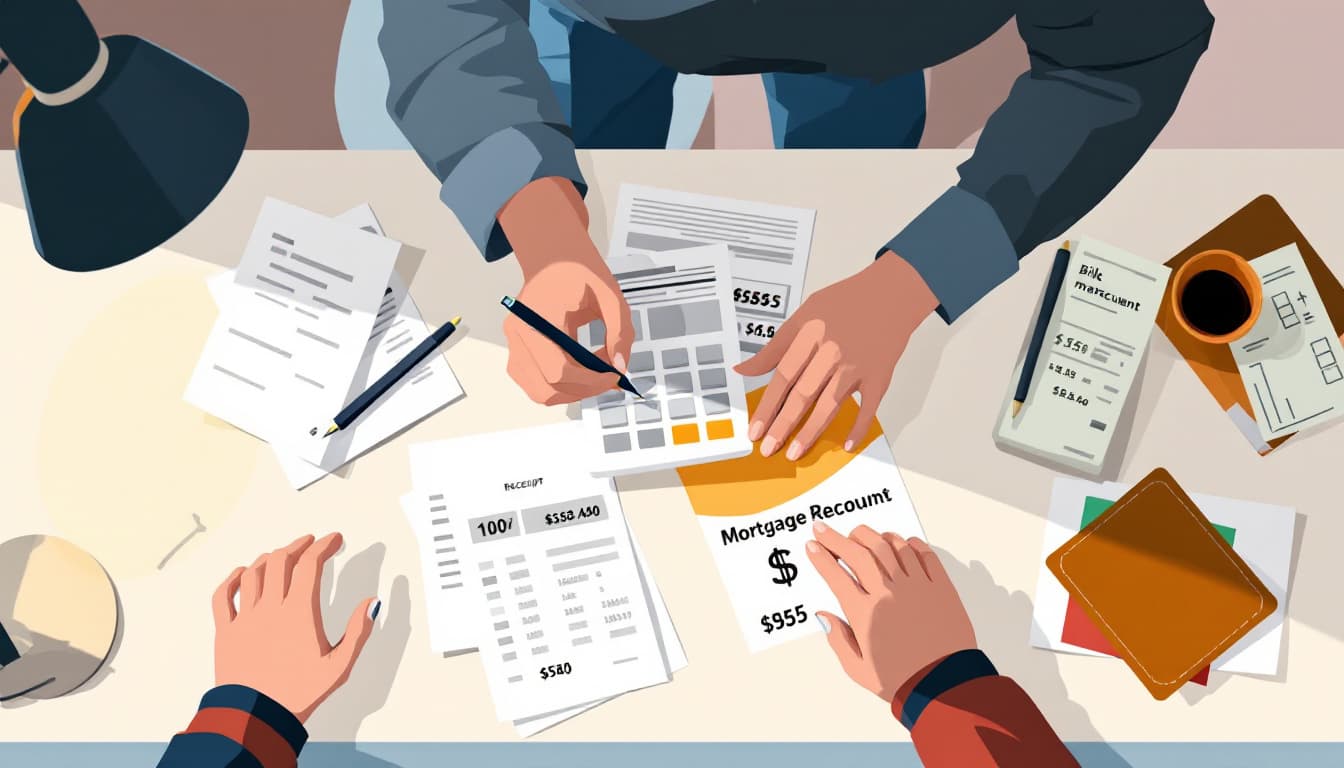
If you're within 18 months of a major fixed-cost decision — home purchase, vehicle replacement, private school enrollment — run the numbers at two rate scenarios, not one. Most household financial planning assumes a single future. Right now, the range of plausible rate outcomes over the next 18 months is unusually wide. Model what your monthly budget looks like if the 30-year mortgage rate is 7% and what it looks like at 8.5%. If both are survivable, proceed. If only one is, wait.
This takes about 45 minutes with a spreadsheet and a mortgage calculator. It's the most useful financial exercise most families skip entirely.
Do not make panicked changes to long-term investment accounts. Institutional friction at the Fed, even if it lingers, is not a signal to exit equities or move into gold. Those moves, made reactively, have historically cost households more than the inflation they were trying to escape. Consistency in retirement contributions matters more over a decade than any single rate cycle.
The bigger picture
The preparedness principle that applies here isn't "store more stuff." It's reduce your exposure to decisions you'd have to make under pressure. A family with 60 days of staples, fixed-rate debt, and a clear-eyed view of their major upcoming expenses is not at the mercy of whatever the Fed does or doesn't do next month. They've already made their decisions from a position of calm.
Political friction at the central bank level is uncomfortable to watch. For most families, its practical consequence lands slowly — through prices, through borrowing costs, through employer decisions made upstream. That lag is actually useful. It gives you time to act before you're reacting.
Use it.