A tariff threat does not raise prices the day it is announced. It raises prices the week importers decide the risk is no longer worth absorbing. That gap between headline and household impact is where families can still act.
A report this week from The Morning Voice flagged that the US is threatening 100% tariffs on European goods in retaliation for digital services taxes that several EU member countries have levied on American tech companies. Whether those tariffs materialize, get negotiated away, or land somewhere in between is genuinely uncertain. What is not uncertain is the category of goods that would be hit hardest: European wines, spirits, olive oil, specialty foods, machinery components, and pharmaceuticals with EU manufacturing exposure.
What's actually changing
The digital tax dispute has been simmering for years. European countries have argued that large American tech platforms generate substantial revenue from their citizens without paying proportionate local taxes. The US has consistently treated these taxes as discriminatory. That's the political shape of the argument. The household shape is different.
If 100% tariffs on European imports were imposed and held, a bottle of Italian olive oil that retails for $12 today would need to price in a cost structure that, at minimum, doubles the import duty. Retailers absorb some of that. Importers absorb some. Consumers absorb the rest. Recent import price data from the Bureau of Labor Statistics shows that even partial tariff pass-through on food and beverage categories moves retail prices measurably within two to three quarters of implementation.
The pharmaceutical exposure is worth taking seriously. A portion of generic drug active ingredients and some branded medications are manufactured in or routed through EU-based facilities. A broad tariff structure could affect procurement costs for insurers and pharmacy benefit managers, which eventually affects what families pay at the counter.
The machinery and component angle matters less directly for most households, but it feeds into appliance and electronics pricing over a 12-to-18-month lag.
Deals get made. Threats get walked back. But importers don't wait for the resolution — they hedge now, and that hedging costs money that moves downstream.
What we'd actually do
Build a small buffer in the specific categories at risk. Olive oil, wine, canned European tomatoes, imported cheeses, and spirits are the clearest targets. Buying two extra units of what you already use is not panic-buying; it's a six-week hedge that costs almost nothing if nothing happens and saves real money if it does. Pick one or two items you actually consume regularly and simply buy ahead by a month.
Check your maintenance medications for supply-chain exposure. Call your pharmacy and ask whether your generic or branded medications have EU manufacturing origin. Most pharmacists can tell you. If the answer is yes, talk to your doctor about whether a 90-day fill makes sense for your plan. Most insurance covers 90-day supplies at lower per-unit cost anyway — this is a move that makes sense regardless of the trade situation.
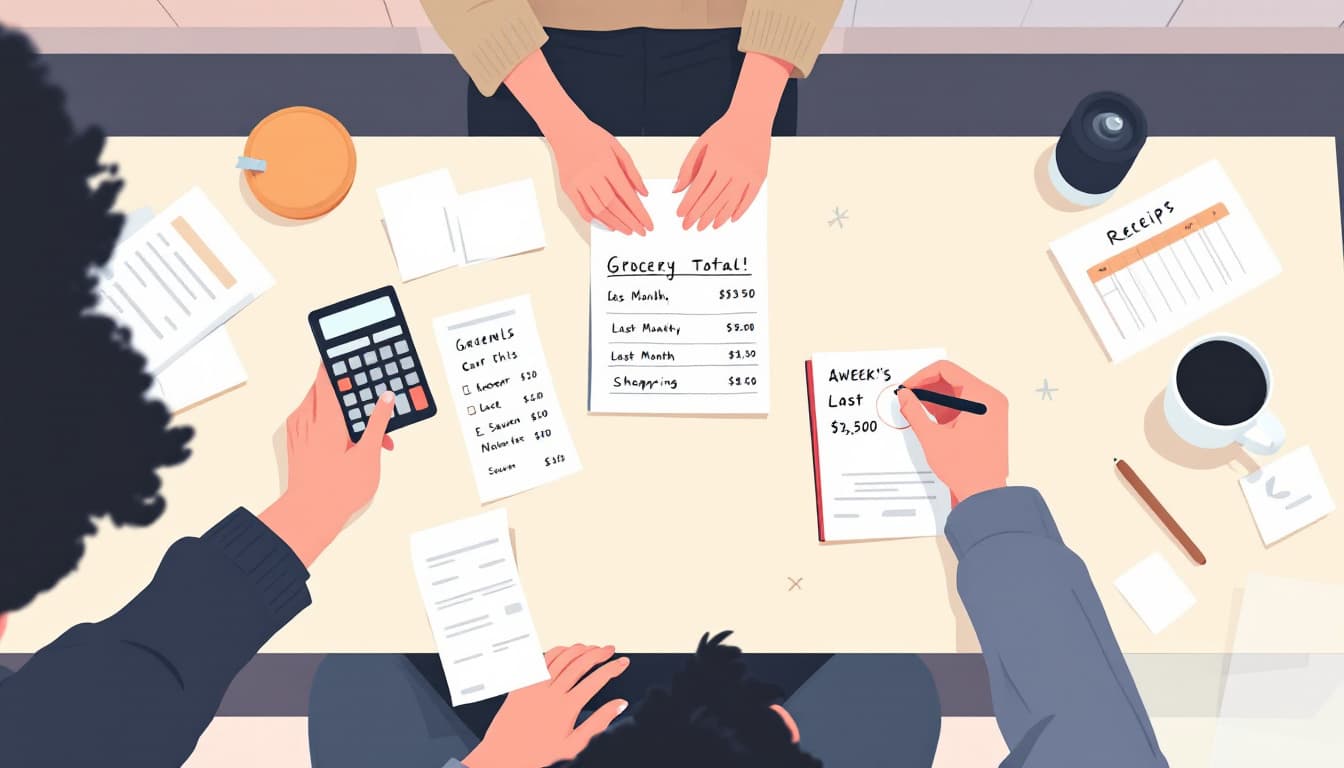
Reprice your food budget baseline now, not later. Pull your last three months of grocery receipts or bank statements and identify what you actually spend on imported European goods. If that number is small, this situation barely touches you. If it is significant, you have time to find domestic or non-EU substitutes before prices move. California olive oils, domestic craft spirits, and American-made aged cheeses have all improved substantially in quality over the last decade.
Avoid panic-buying electronics or appliances. The lag on manufactured goods is long. A tariff announced today on EU machinery components will not affect the washing machine price at your local retailer this quarter. Do not let the headline stampede you into a purchase you weren't already planning.
Watch the 60-day window. Trade disputes of this type typically move toward either escalation or a framework agreement within two months of a formal threat. Set a calendar reminder. If tariffs are formally implemented, that is when to reassess more substantially. If a framework is announced, the risk window closes.
The bigger picture
The US-Europe trade relationship is large and old enough that both sides have strong incentives to find an off-ramp. That does not mean an off-ramp will be found quickly, or that there won't be genuine disruption in the interim. The pattern since 2018 has been one of escalation-and-negotiation cycles that leave lasting price adjustments even after the political dispute resolves.
Durable households are not households that predict which tariffs will pass. They are households that keep a modest buffer of the goods they rely on, know their supply-chain exposures, and don't need to react in a panic when a headline arrives. That is the only preparation that actually works across a range of outcomes, good and bad.