A report this week from 1819 News says drought conditions across Alabama have improved — the kind of headline that most families read, feel briefly relieved about, and then forget. That's the wrong move.
Drought relief is real and worth acknowledging. But the pattern behind it — tightening, then loosening, then tightening again — is exactly what household water planning needs to account for. A wet month doesn't erase a dry year. And for families on private wells or with vegetable gardens, the gap between "conditions improved" and "we're fine" can be wide enough to hurt.
What's actually changing
Drought indices like the U.S. Drought Monitor update weekly and use a five-tier scale from abnormally dry to exceptional drought. When conditions improve, they typically move one tier at a time. A region that spent the spring in moderate or severe drought doesn't return to normal soil moisture overnight, regardless of what the map color shows. Subsoil moisture and groundwater recharge lag surface readings by weeks or months.
For well-dependent households, this matters. A shallow well that dropped in spring may not recover fully until late summer, even with good June rainfall. And drought cycles across the Southeast have been getting more variable — long dry stretches interrupted by intense precipitation events that run off rather than absorb.
None of that is reason to panic. It is reason to use the wet window productively.
What we'd actually do
Check your well's recovery rate now, while the water table is rising. Run a sustained draw on your well — a long shower, filling a large tank — and time how long recovery takes. This gives you a baseline. If you never measured it during the dry period, measure it now so you have something to compare next time conditions tighten. A recovering well behaves differently than a healthy well, and knowing the difference before the next dry spell saves you from a bad surprise.
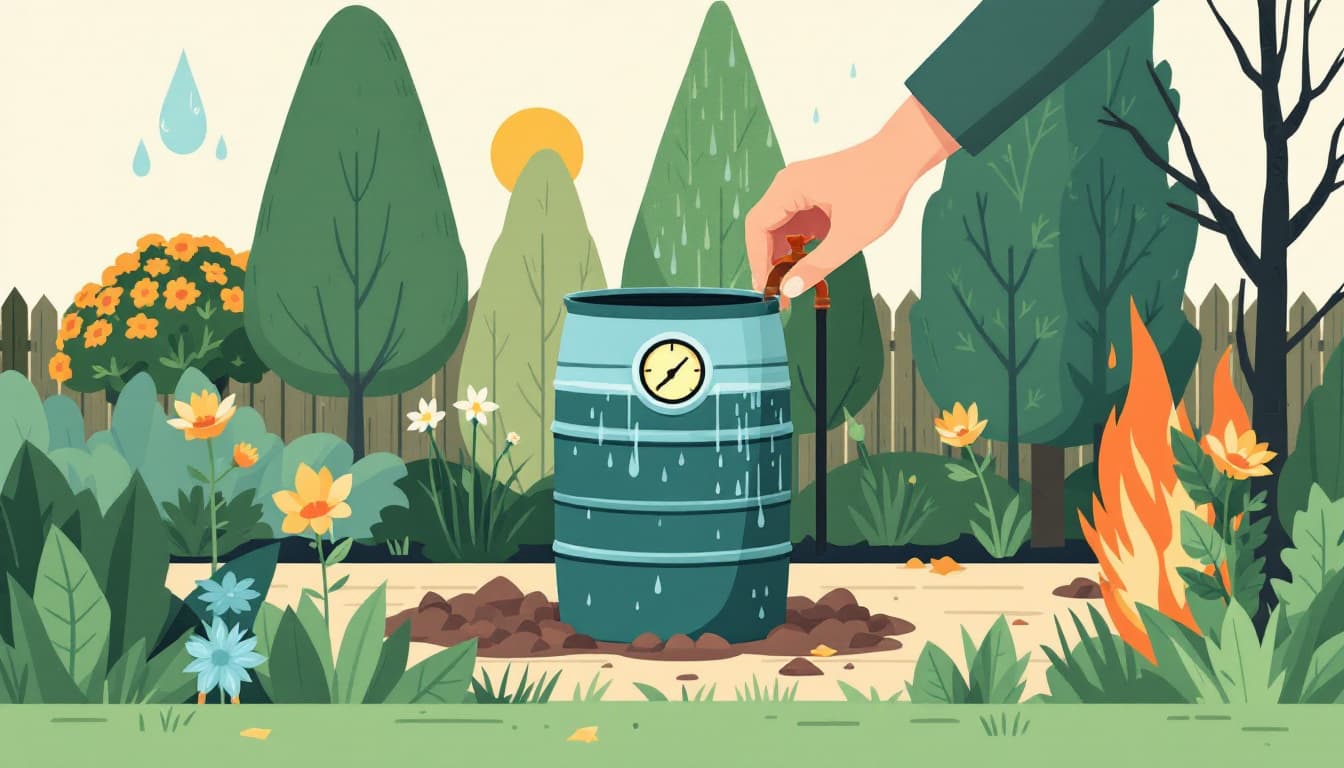
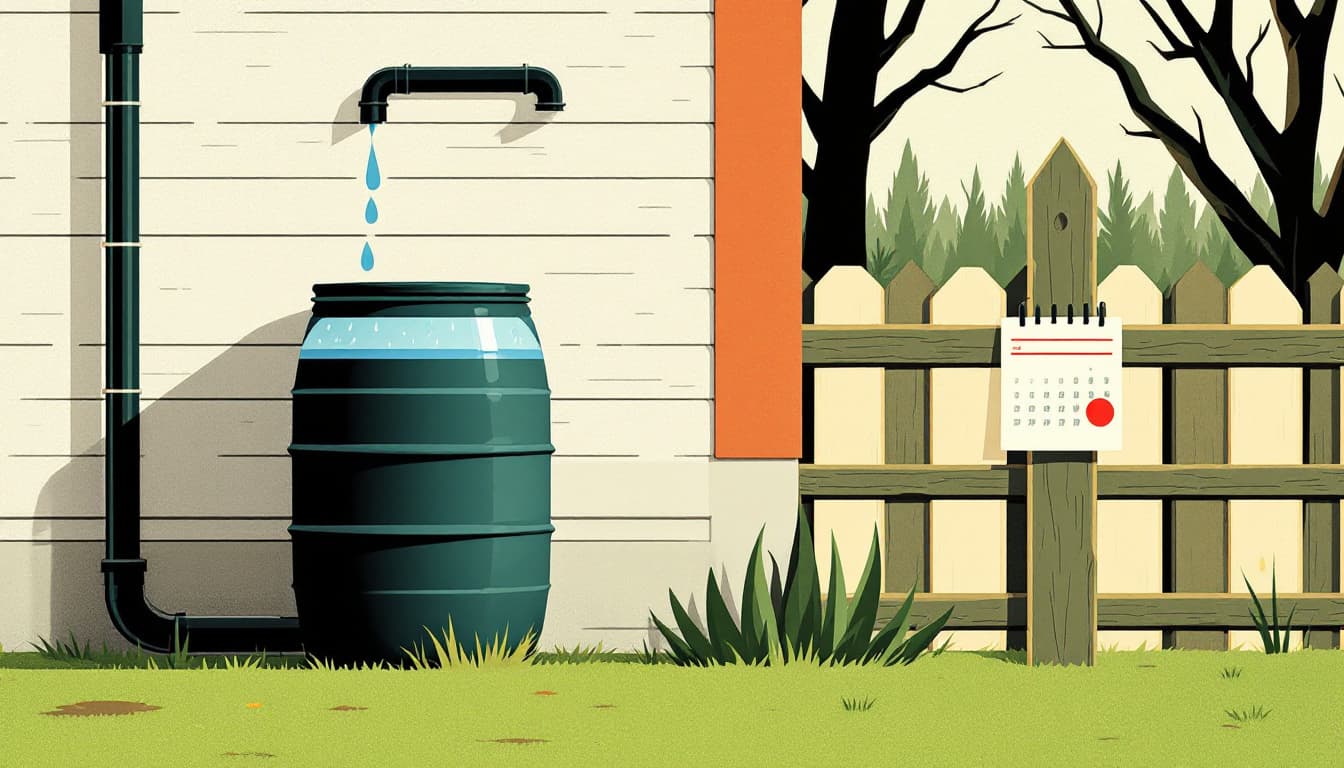
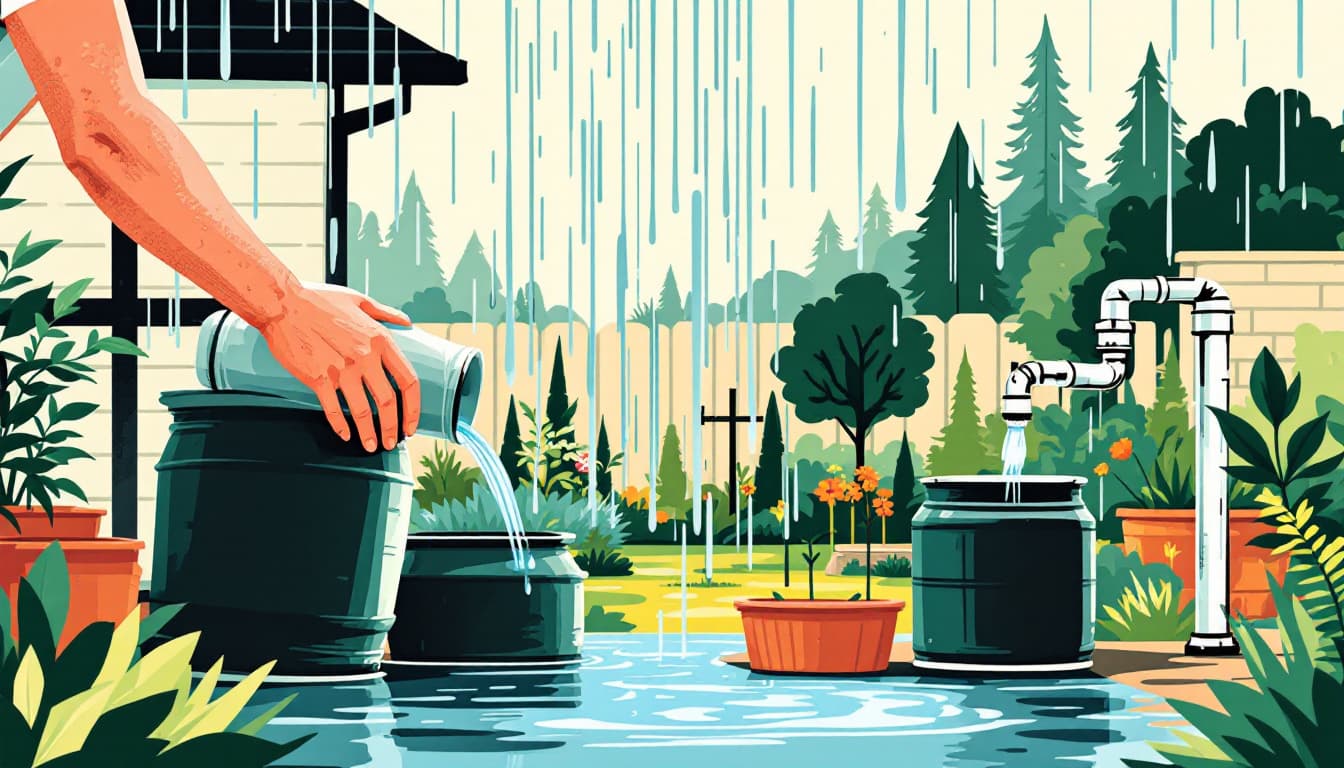
Build at least two weeks of household water storage. FEMA's standard recommendation is one gallon per person per day. For a family of four, two weeks is roughly 56 gallons. Food-grade water barrels in the 30-55 gallon range run $40-$80 each and are widely available. This isn't bunker-building. It's the same logic as keeping a spare tire. A wet spring is the easiest time to fill and forget them — the water coming out of your tap right now is likely cleaner and more reliably pressurized than it will be under summer stress.
Mulch your garden beds while soil moisture is good. A 3-4 inch layer of wood chip or straw mulch cut water needs by 30-50 percent in a typical summer garden according to extension service data. The time to apply it is when the ground is already moist — mulching dry soil just holds the dryness in. This is a one-afternoon task with multi-month payoff.
Pull your last two water bills and look at your usage trend. Most utilities now provide a usage graph online. If your household spiked during dry months — irrigation, more frequent toilet fills from pressure drops, guests — you now have a number to work against. Households that understand their baseline use water more deliberately when conditions tighten.
Learn whether your area is on groundwater or surface water supply. If you're on municipal water, call your utility or check their website to find out whether your system draws from a reservoir, river, or aquifer. Reservoir systems recover with rain. Aquifer systems recover slowly. Surface water systems are vulnerable to contamination after heavy rainfall events. This one piece of knowledge shapes every other water decision you make.
The bigger picture
Drought cycles aren't a new crisis. They're a recurring condition that communities in the Southeast have always managed — through cisterns, root cellars, careful planting calendars, and knowing their land. The goal isn't to prepare for the worst possible drought scenario. It's to build habits that hold up across the full range of conditions a normal decade delivers.
A wet spell is a gift. The smart move is to use it as preparation time, not as permission to stop thinking about water.