The U.S. Drought Monitor, reported this week by WITN, shows measurable improvement in drought conditions across monitored regions. Rain totals are up, reservoir levels are recovering in some areas, and the headline reads like good news.
It is good news — partially. But the household-level story of a drought doesn't end when the rains return. It's worth understanding why, because the recovery phase is when families typically stop paying attention and start paying bills.
What's actually changing
The Drought Monitor tracks soil moisture, streamflow, reservoir levels, and vegetation stress. "Improvement" means those inputs are trending in the right direction. What it does not track is the lag between when a drought ends and when its economic effects clear the system.
Here's the lag pattern that recurs: drought stresses a growing season, reduces yields, tightens commodity supply. Prices at the grocery store respond — slowly, imperfectly, with a delay of weeks to months depending on the crop and the supply chain. When drought conditions improve, prices do not snap back on the same schedule. Producers and distributors hold margin they captured during the tight period. Grains and cattle take a full production cycle to recover. A one-season drought in a major growing region can affect beef prices for 18 months or more because herd rebuilding is a slow biological process.
Recent USDA commodity data reflects exactly that kind of stickiness: grain and feed prices that spiked during recent dry stretches have not fully unwound even as conditions ease. Families who adjusted their grocery budgets during the drought are finding the adjustment isn't temporary.
There's a second lag: water infrastructure. Municipal systems that drew down reserves during an extended dry period often implement rate increases or tiered pricing structures during the recovery to rebuild reserves. The bill for what your utility system consumed during the drought arrives on a schedule set by local water authorities, not by rainfall totals.
What we'd actually do
Audit your water bill for the last 12 months before assuming costs are coming down. Pull the actual statements. Many utilities switched to tiered pricing or drought surcharges in the past two years — some of those fees are embedded in rate structures and don't disappear automatically when drought status improves. A 15-minute review of your billing history tells you whether you're still paying drought-era pricing.
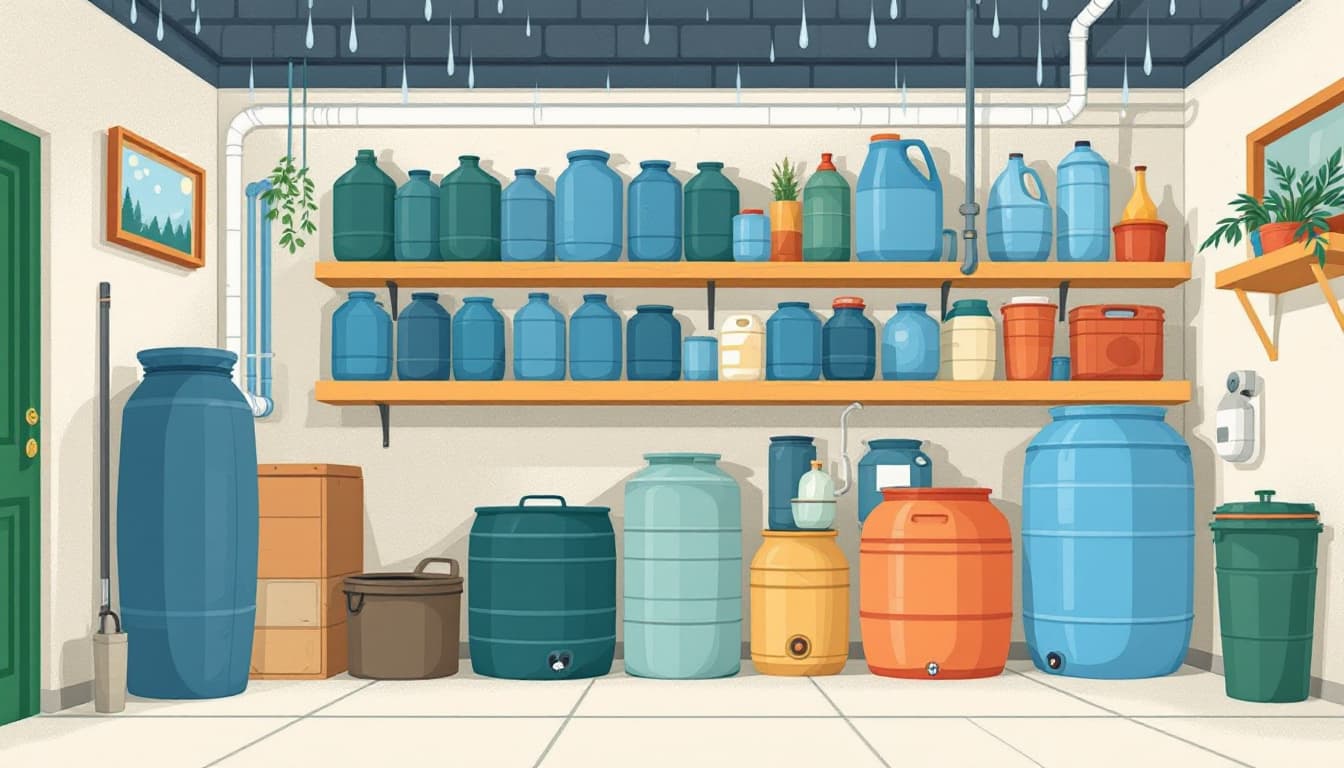
Build a 14-day water buffer at home, now, while conditions are relaxed. The time to stock a water reserve isn't during a drought warning — it's between them. FEMA's standard guidance is one gallon per person per day; for a family of four, that's 56 gallons for two weeks. Food-grade 5-gallon jugs run about $10 each and stack in a garage or basement. This isn't prepper theater; it's the same logic as keeping a spare tire. Municipal water disruptions during drought recovery — from infrastructure stress, pipe failures, and temporary boil-water orders — happen more often than the drought itself.
Check grocery patterns for commodities that lag the recovery. Beef, pork, and eggs are the most drought-sensitive proteins in the American food supply, and their prices respond to conditions 6-18 months prior. If you track a grocery budget, compare your current per-unit prices on those proteins against 18 months ago — not 6 months ago. The drought impact you're still absorbing likely pre-dates the one just ending.
If you have a yard or garden, reconsider your soil condition before returning to normal watering habits. Extended drought compacts and depletes soil structure. Returning to pre-drought watering schedules on compromised soil often means more runoff and less retention, higher water bills, and worse plant results. A $20 soil moisture meter and a bag of compost matter more here than any new hose equipment.
The bigger picture
Drought cycles in the U.S. have always been regional and episodic. The Drought Monitor improving is genuinely good news for farmers, utilities, and the families downstream of both. But the preparation failure most households make is binary thinking — drought on, drought off. The actual risk window for a household is longer and fuzzier than a weather designation.
The goal here isn't to stay alarmed after the rain comes. It's to use the recovery period productively: audit your costs, build a modest water buffer, and understand which grocery prices are still running on last year's weather. Durability means functioning well across the full cycle, not just reacting to the peak.