Colorado's snowpack — the slow-release reservoir that fills the Colorado River, the South Platte, and the Arkansas — came in well below average this past winter. The result: a formal drought declaration from the governor's office, reported this week by The Black Chronicle. That declaration is not just a weather headline. It is an administrative trigger that can unlock water restrictions, alter agricultural water rights calls, and, in dry summers that follow dry winters, eventually reach municipal taps.
Most Colorado households are not thinking about this yet. They should be, even the ones on city water.
What's actually changing
Colorado's water system runs on snowmelt timing. When snowpack is thin, the spring runoff pulse that recharges reservoirs like Dillon, Horsetooth, and Blue Mesa arrives smaller and earlier. By midsummer, reservoir storage that would normally carry a city through August is already drawn down. That's when municipalities begin issuing outdoor watering restrictions — first voluntary, then mandatory.
The drought declaration also affects the Western Slope more acutely than the Front Range in the short term. Agricultural water rights calls on the Colorado River system can legally reduce what flows to downstream municipal intakes. Smaller communities on tributary systems — think the Roaring Fork Valley, the Uncompahgre Plateau corridor, communities along the Gunnison — face tighter margins than Denver Water customers do, though Denver Water has not been immune to restriction summers in recent years.
What this year's declaration signals is that 2026 is set up to be a restriction summer, possibly a significant one. That does not mean your tap goes dry. It means the cost of ignoring water habits rises, and households with zero preparation will feel squeezed.
What we'd actually do
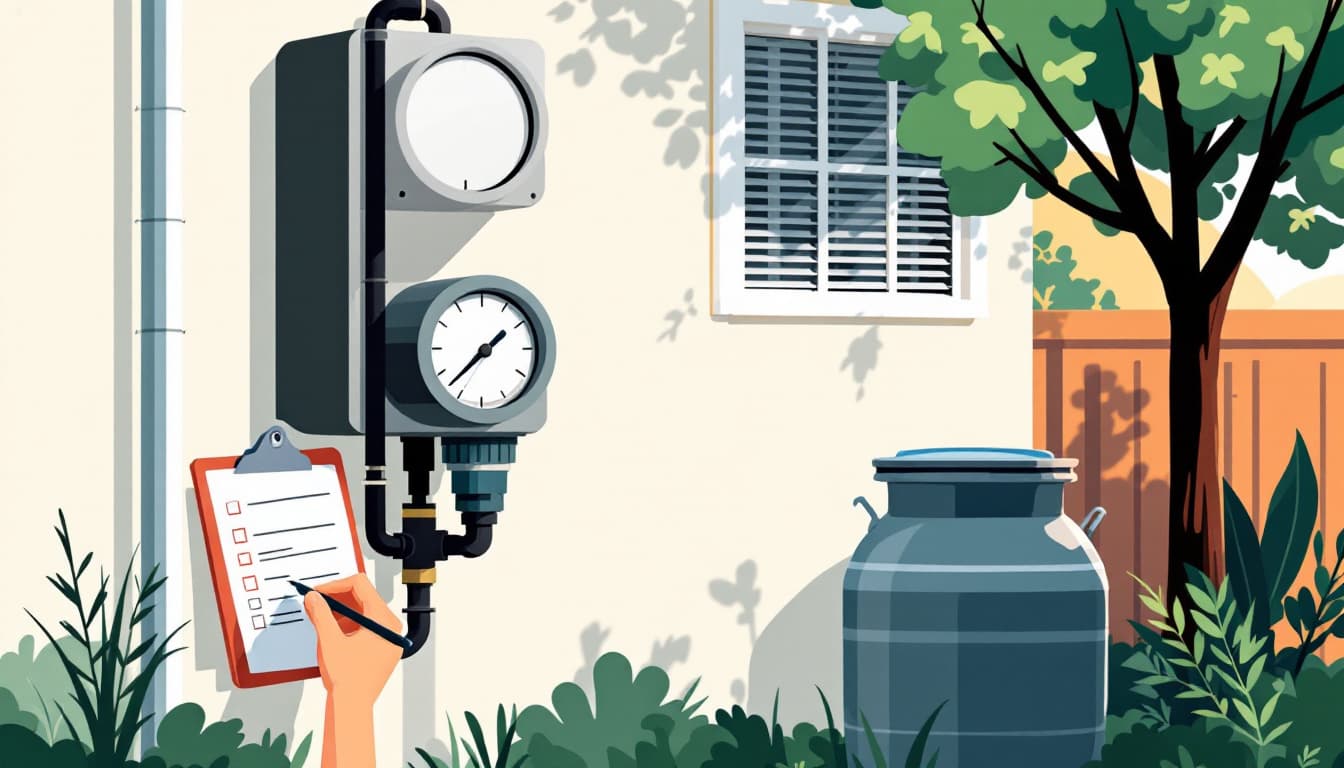
Check your water provider's current storage and restriction status now, before July. Every Colorado municipality with a water utility publishes storage levels, sometimes weekly. Denver Water, Colorado Springs Utilities, Aurora Water, and Pueblo Board of Water Works all maintain public dashboards. Find yours. If storage is already below 70 percent heading into June, assume Stage 1 restrictions are coming. That means knowing which days you can run sprinklers — and whether you'll actually bother following the rules or just pay the fine. Knowing the number in advance removes the scramble.
Store a modest drinking-water reserve — three to seven days for your household. This is not about grid collapse. It's about the specific scenario where a local water main break, a boil order, or a short-term supply interruption lands during a drought summer when utility crews are already stressed. FEMA's baseline recommendation of one gallon per person per day is a floor, not a target. For a family of four, a week's supply is 28 gallons — about seven four-gallon jugs from any grocery store, stored in a cool dark space and rotated every six to twelve months. The cost is roughly $15. The inconvenience of not having it during a boil order is considerably higher.
Audit your outdoor water use now, in June, when you can still change habits cheaply. Outdoor irrigation accounts for roughly half of residential water use in Colorado's semi-arid climate during summer months, according to data Colorado State University Extension has published on the subject. If you have a traditional spray sprinkler system, switching high-use zones to drip emitters before July costs $30 to $80 in parts and cuts water use on those zones by 30 to 50 percent. More importantly, it makes you less exposed to mandatory odd-even watering schedules that can stress lawns if timed wrong.
Know whether your neighborhood has a secondary water source — and what its rules are. Some Front Range metro districts deliver untreated irrigation water through a separate ditch system alongside treated municipal water. If your neighborhood has this, your treated water bill for outdoor use may be much lower than you think — and restrictions may apply differently. Call your district. This one phone call can reshape your summer water budget entirely.
For Western Slope and rural households, test and document your well. If you're on a private well, drought years are when water tables drop and yields decline. A basic well yield test costs $150 to $300. If you haven't done one in five or more years, this summer is the time. Knowing your gallons-per-minute rate before August means you can plan use accordingly rather than discover the problem when the pump runs dry at 10 p.m.
The bigger picture
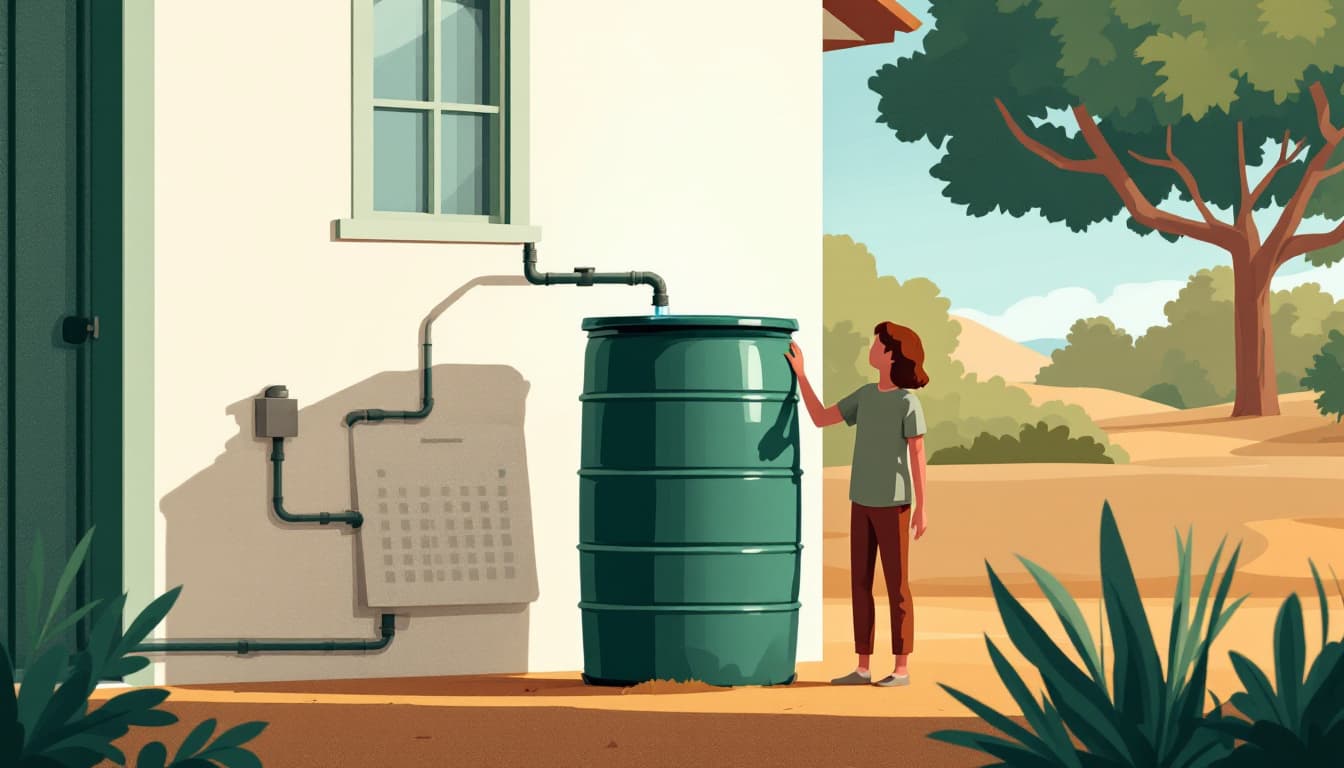
Colorado has been in some form of drought for much of the past twenty-five years. This declaration is not an anomaly; it's a recurring feature of living along the eastern slope of a shrinking snowpack. The households that handle it well are not the ones with the biggest cisterns or the most elaborate rainwater collection systems. They're the ones who know their numbers — storage levels, usage rates, reserve days — and who built small habits before the summer squeeze arrived.
Durability here looks like a $15 water reserve, one phone call to your water district, and a morning spent checking the drip lines. That's not prepping for catastrophe. That's just being a competent adult in a dry state.